Elizabeth Alexander
President

Last year, we at the Mellon Foundation looked directly at American society and asked how we could make it more just. As demonstrated across all four of our program areas—Higher Learning, Arts and Culture, Public Knowledge, and Humanities in Place—and through my grantmaking portfolio as Mellon’s president, we are a forward-looking social justice philanthropy, a leading voice in the arts, culture, and humanities, and a problem-solving foundation determined to right historic wrongs in the fields we fund. In 2022, we considered the impacts of the early pandemic phases and sustained democratic upheaval in the United States, and asked how we could best work together, best support our new and ongoing grantees, and best achieve, collectively, justice in our country in the years ahead.
To do that, we knew we had to get out—out of our Zoom boxes, out of New York City, and out across the land. With rigorous reflection and subsequent action, we upheld a razor-sharp precision in our focus and our funding. We updated and expanded our physical infrastructure, our best practices, and our collaborative partnerships. Just as we looked at the state of our country with a critical eye and interrogative resolve, so too did we look at how we at Mellon operate as an organization. We looked inward, so we could open outward.
As we opened our doors, the velocity of our determination to do more, and to do better, drove our grantmaking. In Puerto Rico, we reinforced our commitment to funding arts, culture, and humanities institutions and organizations in both the archipelago and the diaspora, including the second cohort of our literary fellow program, Letras Boricuas. Crucially, we also deployed emergency funds in the aftermath of Hurricane Fiona. Emergency grantmaking was central to our expansive funding strategies in 2020 and 2021; in 2022 it became more targeted and intentional, so we can continue being responsive and impactful when emergencies among our grantee communities arise.
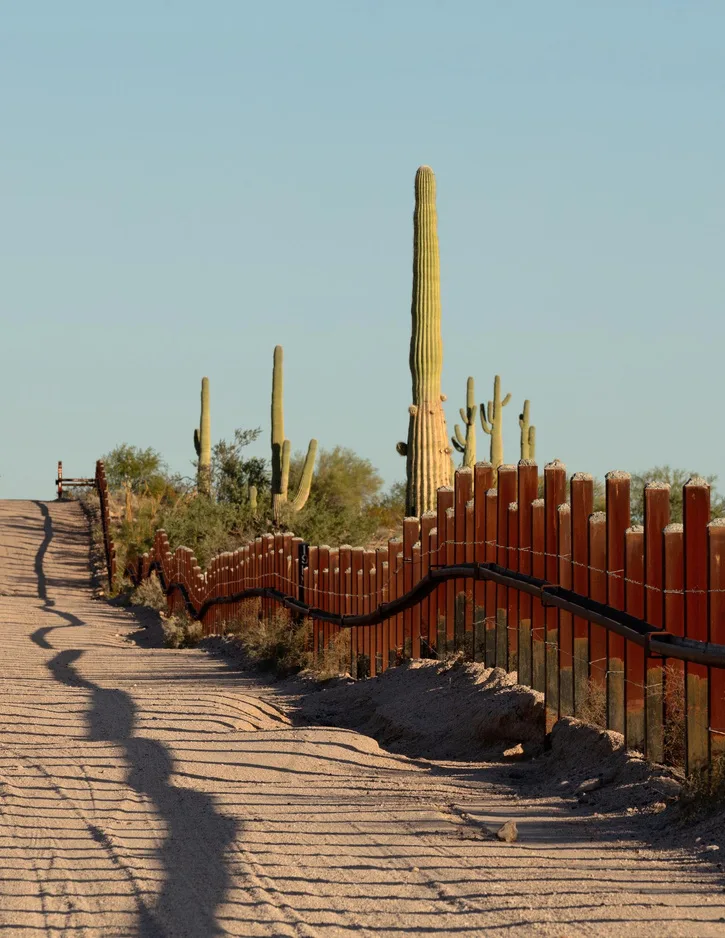
We built upon our work in the dynamic borderlands of the United States and Mexico, highlighting Arts and Culture and Higher Learning grantees throughout the region in a public program on Humanities and the Border, and affirming our support for indigenous grantees such as the Seven Generations Signature Initiative and the Firekeepers, a program under the auspices of our Public Knowledge grantmaking area that champions indigenous memory keeping. And from Acadia to Zion, under the auspices of Higher Learning and Humanities in Place, we funded postdoctoral fellowships in US national parks, centering multivocality and illuminating the many different stories present in these vital public spaces.
President
Mellon grantmaking
Quick links
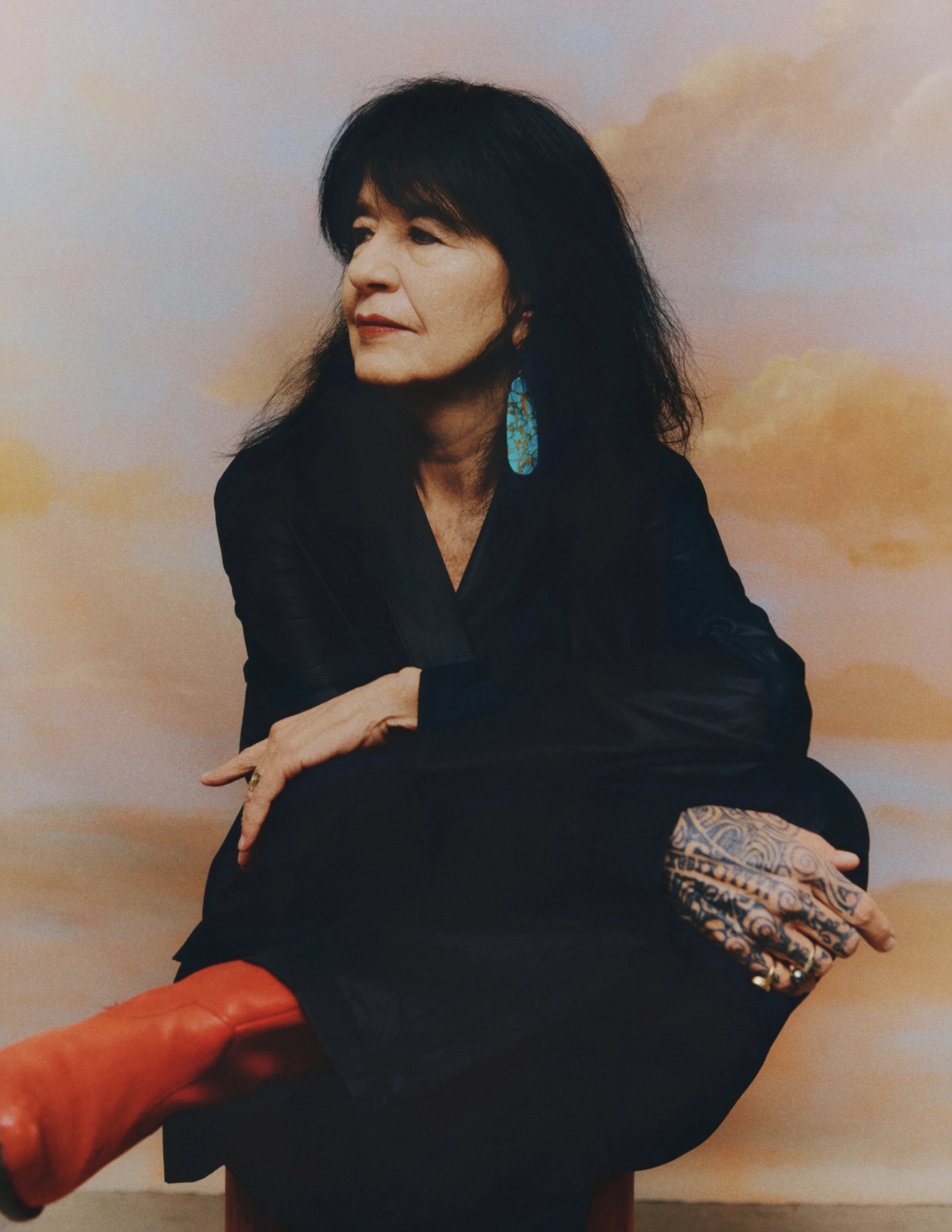
Our time across the country led to deep reflection on civic engagement, and the arts and humanities as means to strengthen and connect collective actions on the urgent societal issues we face. As we asserted in one of our 2022 public programs, America, for example, is at the library—not just the ballot box—and public spaces like libraries that Mellon continues to vigorously support are foundational to an informed citizenry and robust civic discourse. We also know that empowered civic engagement depends on creative work like poetry, which I was fortunate to discuss in a rich and wide-ranging public conversation with former U.S. Poet Laureate Joy Harjo, whose work we honored in Reading Poetry, Engaging America, a virtual celebration hosted by Mellon in the spring. In light of the work the Foundation led last year, the final lines of her poem “An American Sunrise” come to mind:
We
had something to do with the origins of blues and jazz
I argued with a Pueblo as I filled the jukebox with dimes in June,
forty years later and we still want justice. We are still America. We
know the rumors of our demise. We spit them out. They die
soon.
That same emphatic spirit informed a trip I took during the summer to Richmond, Virginia, with colleagues from Mellon’s Office of the President and its Humanities in Place program area to learn more about the necessary reparative work Richmonders are beginning to take as they face and engage with the city’s complex history. Virginia is where slavery in North America began. Before the Civil War it had the highest number of enslaved people of any state; its biggest industry was the slave trade, and its capital was home to the slave market that sold and dispersed both enslaved and free Black Americans to the Deep South.
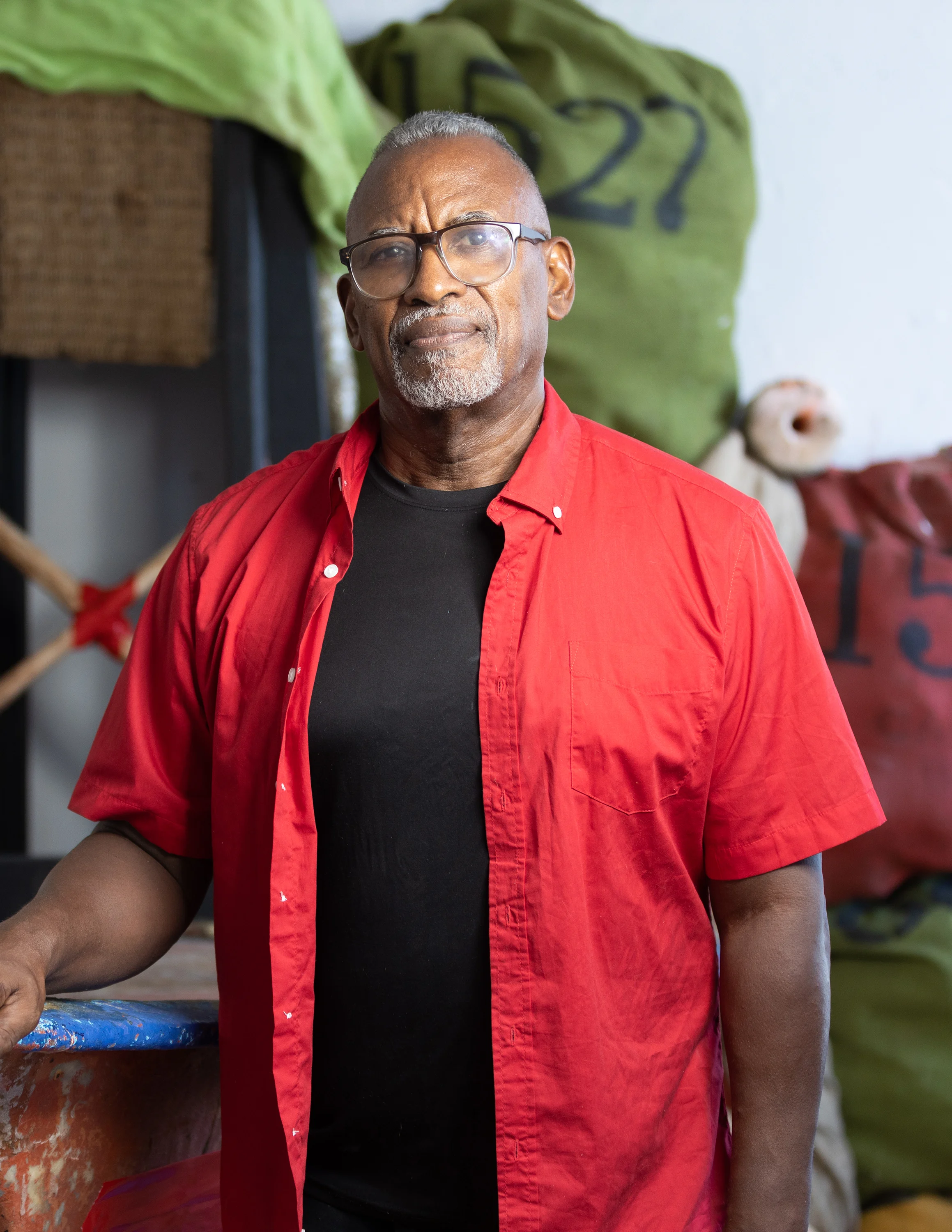
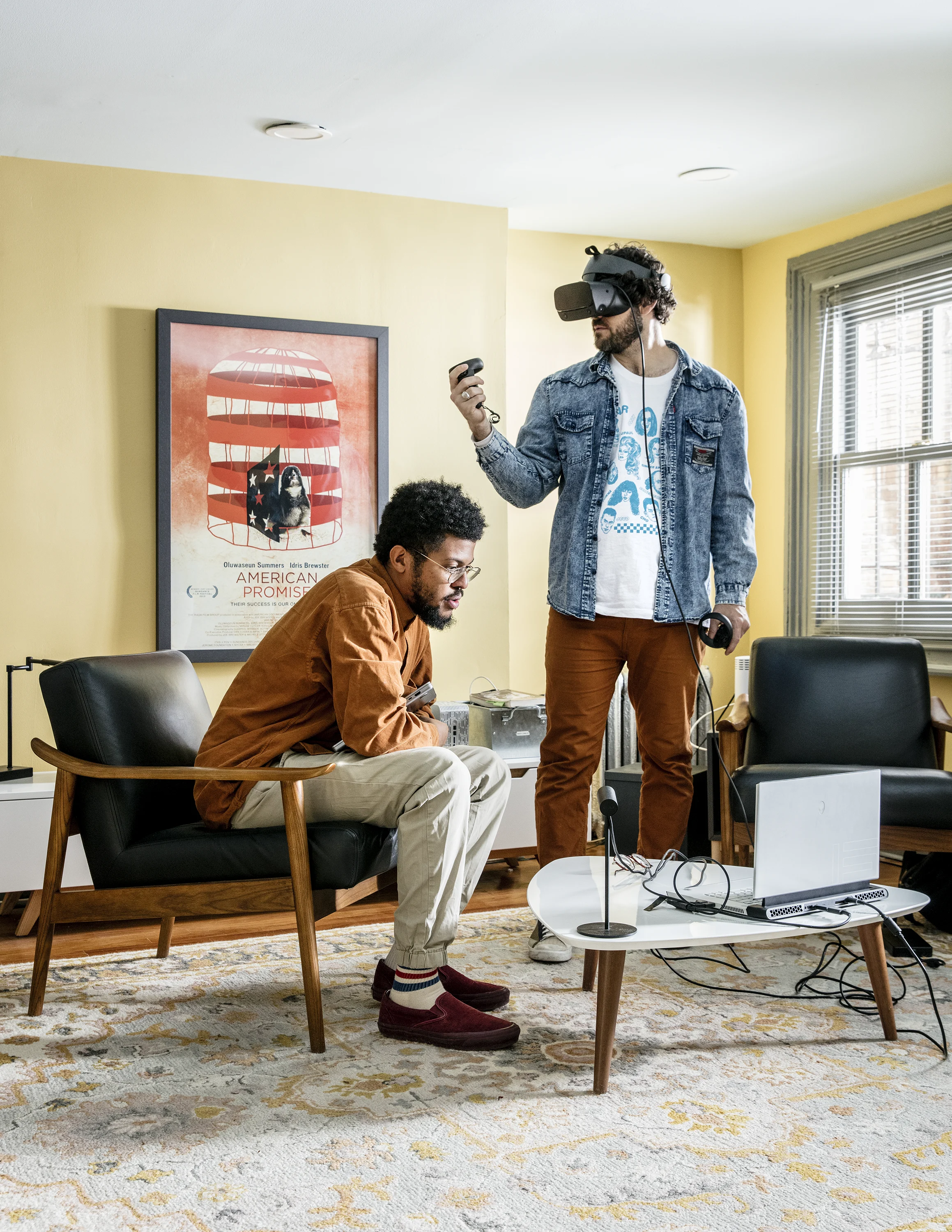
While in Richmond, we saw some of the efforts currently underway to fully tell those stories. 2022 Mellon grantees including the JXN Project, which is elevating the story of Abraham Peyton Skipwith, the Founding Father of Richmond’s historic Black neighborhood Jackson Ward and its first Black homeowner, and the City of Richmond itself, which is building a commemorative cultural space at African Burial Ground and former slave market site in Shockoe Bottom, are among the organizations leading that correction and recognition of the city’s history for the broader public.
Questions about monuments and memory invigorated my work in 2022, as we entered year two of Mellon’s signature initiative: The Monuments Project. The powerful possibilities of what monuments could be—beyond physicality, beyond individuals, beyond the handful of incomplete historical narratives too often dominant in our public spaces—drives our vision for the future commemorative landscape of the United States.
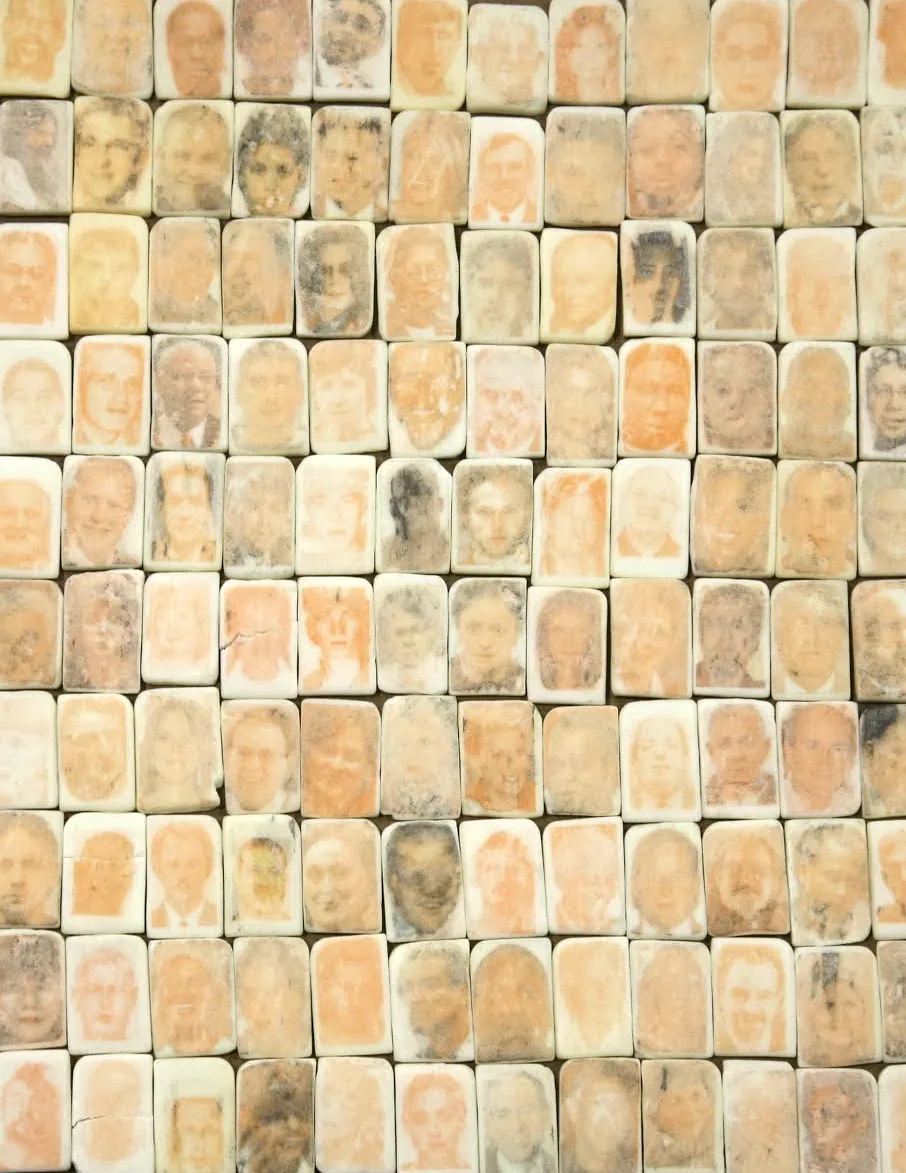
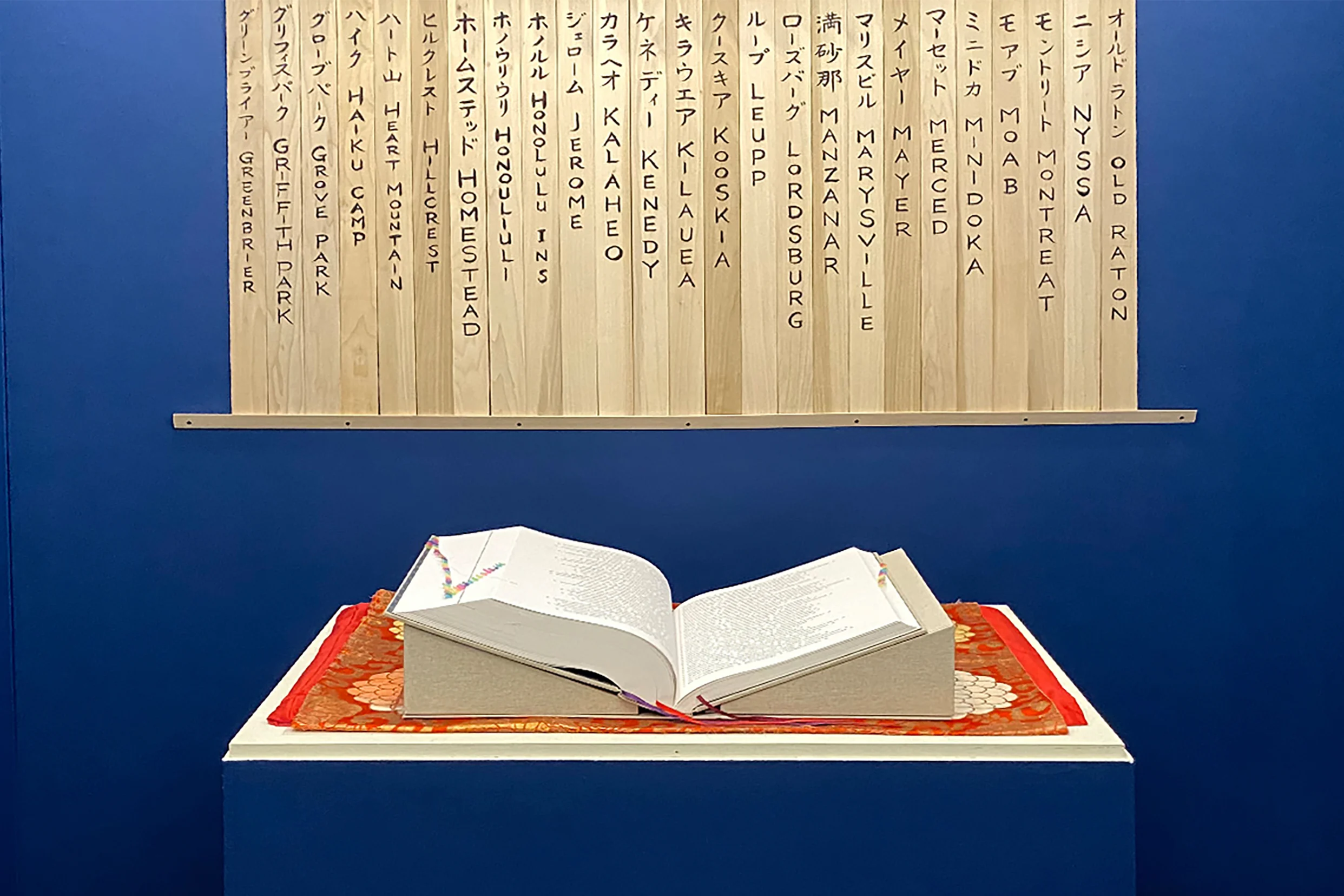
The Monuments Projects grants we funded throughout the year expressed that vision in extraordinary ways. In Kansas, Iⁿ ‘zhúje ‘waxóbe, the Sacred Red Rock of the Kaw Nation, has been returned to the Kaw people and will be placed on land where they can lead and facilitate the teaching of its history and cultural significance. In California, the Ireichō, currently on view at the Japanese American National Museum, holds the 125,284 names of the Japanese Americans incarcerated by the United States at internment camps during World War II. In Virginia, restoration of the Bray School soon will commemorate the more than 400 Black children, both enslaved and free, educated on the site in the years before the American Revolution. Changing how, and who, we memorialize is fundamental to making sure our country’s future is more just than its past.
“As we opened our doors, the velocity of our determination to do more, and to do better, drove our grantmaking.”
Going into 2023, we at Mellon will keep our forthright gaze and unflinching resolve—not only to do our part in rectifying injustice in the United States, but also to broaden and uphold the collective actions of others intent on making American society more equitable and multivocal.
From new funding for indigenous grantee organizations to our own work on the Foundation’s forthcoming new land acknowledgment; the convening of the Mellon Mays Undergraduate Fellowship program in Puerto Rico to new funding for social justice and civic engagement humanities research in Higher Learning; the continuation of our grantmaking to the American Library Association to ongoing funding for multi-year programs like Latinx Artists; and to a brand new presidential initiative, Imagining Freedom, which is listening to an uplifting the voices of people affected by mass incarceration and the criminal legal system—2023 promises to be an energizing year for the Mellon Foundation.
We know well the transformational power of the arts and humanities. Exploring its possibilities, strengthening its potency—that is our charge, as we at Mellon keep opening outwards, keep expanding our reach, and keep working, always, to achieve social justice in the years to come.
We invite you to view a full list of our grantee partners who were awarded grants in 2022.
View all grants and recipients