Voice
Humanities Graduates Can Find a Great Job. It’s Time to Make This Fact Known.
Read the essay 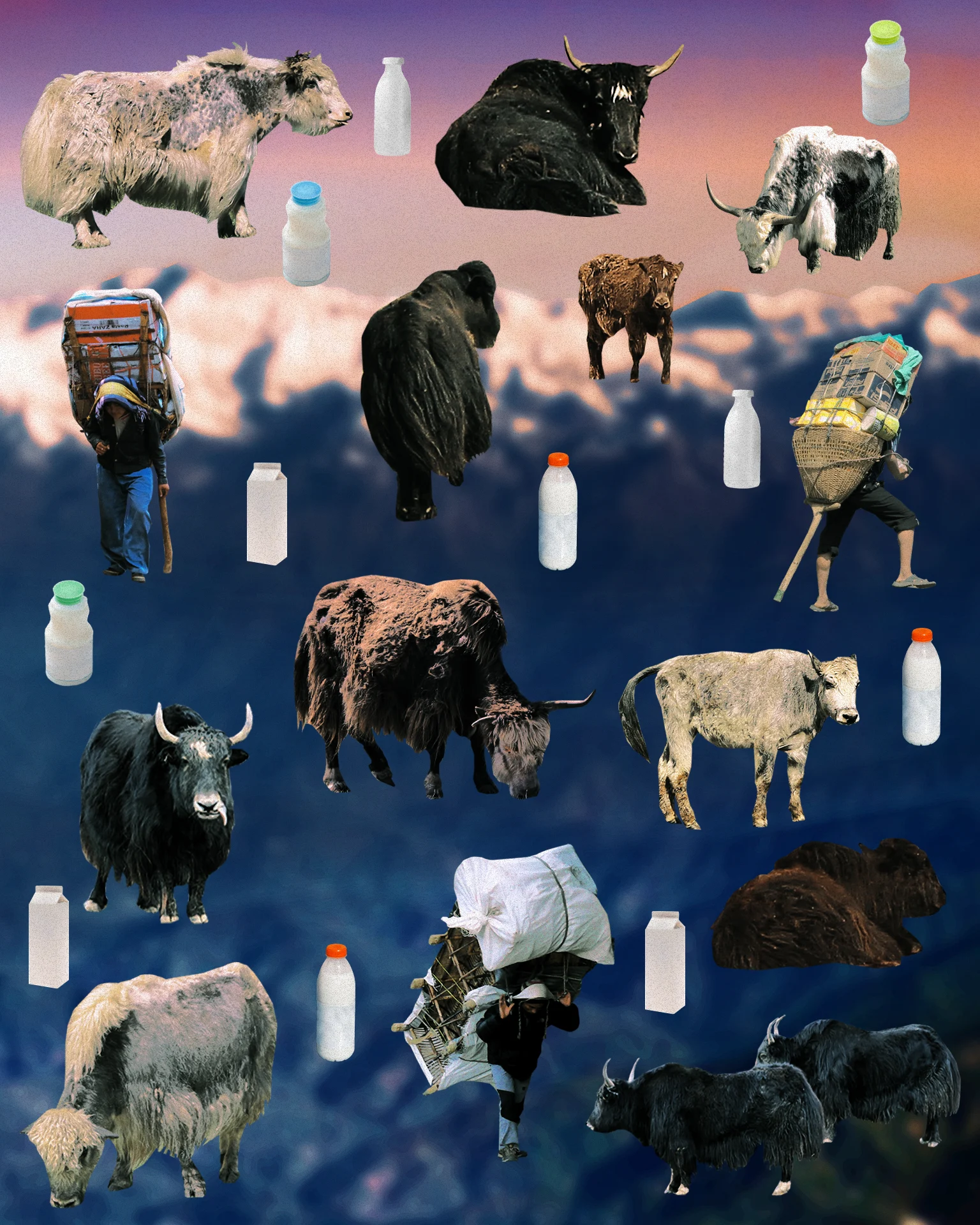
Many academics understand that addressing the world’s most urgent and complex questions demands insights that span areas of study. And yet returning to the classroom to gain new methodological tools or theoretical frameworks can be time consuming and costly for just about anyone—especially for professors who are already deep into their academic careers. The New Directions Fellowship changes that.
Designed for early- to mid-career faculty—those who received their PhD six to twelve years earlier—the New Directions Fellowship is intentionally open-ended: There are no restrictions on the direction a scholar may take, as long as the training they pursue is serious and sustained. By funding rigorous, structured study in a subject that is new to them, the fellowship helps scholars broaden the scope and impact of their work—often leading them to unearth new sources of information, develop surprising questions, and make exciting discoveries. Whether it means grappling with the implications of new technology or looking for answers by studying history across the Atlantic, each project is driven by a desire to bridge disciplinary boundaries and reimagine what humanistic research can be.
Here’s a glimpse of the work in the Fellows’ own words. Their answers have been edited for length.
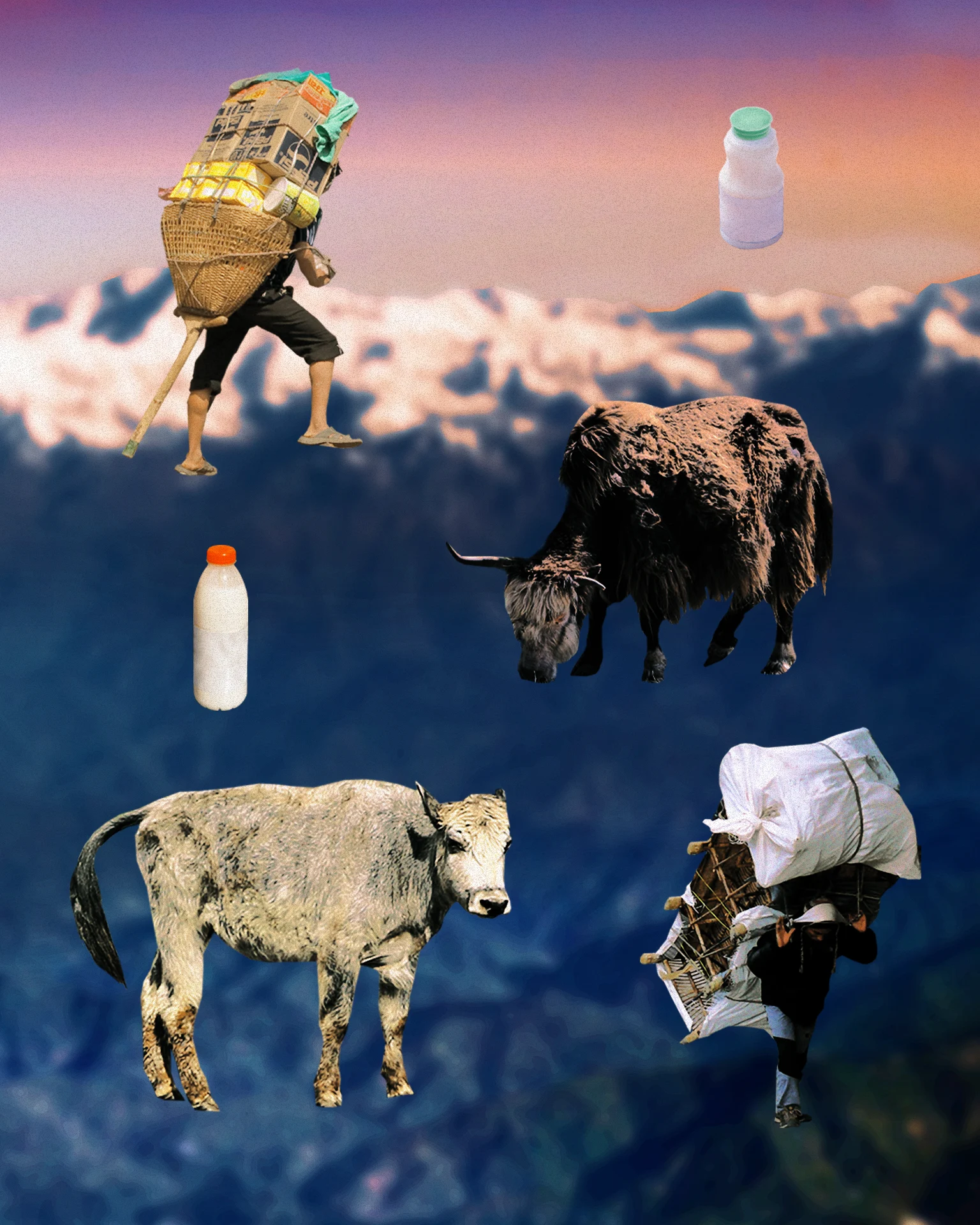
What can Sherpa ways of living under changing cryospheric conditions (the melting of ice and snow) in the last four hundred years teach humanity about survival on a warming planet?
I knew that Himalayan ice and snow [were] melting fast. But it was only after I conducted my field study in Khumbu (a.k.a. the Everest region in northeastern Nepal, where I am from) that I could grasp the speed at which melting is occurring. Melting is happening faster than the community can figure out ways to live with it.
But another important fact I learned (which I should not have been surprised by) was the central role yaks play in strengthening climate resilience of the community. In the Nangpa Valley, for example, yak (male) and nak (female) dung is used for fuel and fertilizer, and the milk nourishes the community.
Pasang Yangjee Sherpa
New Directions Fellow on her work
“What can Sherpa ways of living under changing cryospheric conditions (the melting of ice and snow) in the last four hundred years teach humanity about survival on a warming planet?”
“Community-centric” is not what normally comes to mind when I think of physical sciences. I learned that although community might not be central to the physical sciences in the same way it is for anthropology, the process of producing knowledge itself is about the community of researchers. This realization has made me rethink how community is acknowledged in the physical sciences.
It would have to be my great-grandmother: I don’t think she could have ever imagined that her great-granddaughter would be doing the work I do.
How can Africana studies [combine with] the fields of data science and artificial intelligence to confront bias and uplift the lived realities of Black, Brown, and Indigenous communities?
Despite the vast amount of environmental data collected daily—via satellites, weather balloons, radar stations, and autonomous sensors—people are still not counted. And the communities most impacted by environmental, weather, and health-related harm—Black, Brown, and Indigenous populations—are missing from the datasets used to make life-and-death decisions.
We know, for example, how many cars drive across the George Washington Bridge on a Tuesday afternoon, but we don’t know how many children living in places like Wilmington, California, or Mossville, Louisiana, suffer from heart and lung disease caused by nearby coastal refineries.
Data is not neutral. It’s power, and it either affirms or erases lives.

Amy Yeboah Quarkume
New Directions Fellow on her work
“How can Africana studies [combine with] the fields of data science and artificial intelligence to confront bias and uplift the lived realities of Black, Brown, and Indigenous communities?”
I believed that using tech made you smart, that mastering code meant progress. But standing in a garage doesn’t make you a car—and knowing AI doesn’t make you woke. Tools are only as transformative as the values and people shaping them. Looking at who creates these tools, most don’t have the same values I share.
Katherine Johnson [one of the subjects of the book and film Hidden Figures] and all the Black women human computers who worked at NASA—those whose math made the moon landing possible, but whose names were almost lost to history. They lived in a world that told them they didn’t belong in science, but they showed up anyway, calculating futures that others couldn’t even imagine.
My work investigates how colonialism and slavery led to the development of epidemiology also known as the patterns and causes of health problems.
An oral history collected by British physician James Ormiston McWilliam in Cape Verde in 1847: I had not previously encountered documentation that recorded the perspectives of Black individuals in the Atlantic World regarding an epidemic, nor one that offered such detailed accounts of pathology, symptoms, and epidemiology.
McWilliam relayed [the insights of his interviewees] to Parliament, which ultimately contributed to the development of epidemiology as a field. In my book, I referred to these women [that were interviewed] as “the original contact tracers.”

Jim Downs
New Directions Fellow on his work
“My work investigates how colonialism and slavery led to the development of epidemiology also known as the patterns and causes of health problems.”
As a historian, I was very interested in following a timeline, which narrated the history of medicine according to various turning points. Anthropology taught me that most people in the world suffer from infectious disease not because of where they are on a medical timeline but rather [because of] a failure of delivery of medical care.
Paul Farmer. His work has greatly influenced me, and I admire his intellectual rigor.
New Directions Fellowships assist faculty members in the humanities and humanistic social sciences who seek to acquire systematic training outside their own areas of special interest.
*Images from WikiMedia: Vyacheslav Argenberg and Goutam1962