Monuments Summer
July 11, 2023
This was the second statue near Colorado State Capitol grounds that was eventually forcibly toppled within mere hours, an action sparked by the death of George Floyd and the subsequent movement to tear down memorials reflecting the nation’s racially unjust past and present.
While the statue’s plaque read “In Honor of Christopher Columbus,” preliminary research revealed that there were many stories never told or fully understood about the artwork. According to The Denver Post, the memorial was created by sculptor William F. Joseph. It depicts an abstracted bronze figure, paying homage to Leonardo da Vinci’s renowned “Vitruvian Man,” and does not take on the likeness of Columbus himself. As confirmed by Joseph’s son during the investigation process, the work was intended to be titled “Man of All Nations.”
Nevertheless, when the statue was gifted to the City of Denver in June of 1970 by Alfred P. and Anne E. Adamo, the donors positioned it as Columbus—a personal choice made in reflection of their Italian heritage and a desire to honor the Italian American community’s history and contributions to the country.
These key details were largely undisclosed to the public, and, the effects of ambiguity were revealed when community members took action to remove the statue themselves.
With the support of Mellon’s Monuments Project Presidential Initiative in 2023, the City of Denver will conduct historical research and engage with the broader public to collectively navigate the future of the statue and other monuments in public spaces. ”We all live among objects that we take for granted, and it's an important civic exercise to pause and reevaluate the objects that are around us,“ shared Denver Public Art Manager Michael Chavez with Colorado Public Radio. “We want to do it thoughtfully and thoroughly, but it's not going to happen overnight.”
Helmed by the City and County of Denver’s (CCD) Arts & Venues (DAV) and Parks & Recreation (DPR) agencies, this endeavor will begin in late 2023 with a historical assessment and audit of existing Civic Center monuments.
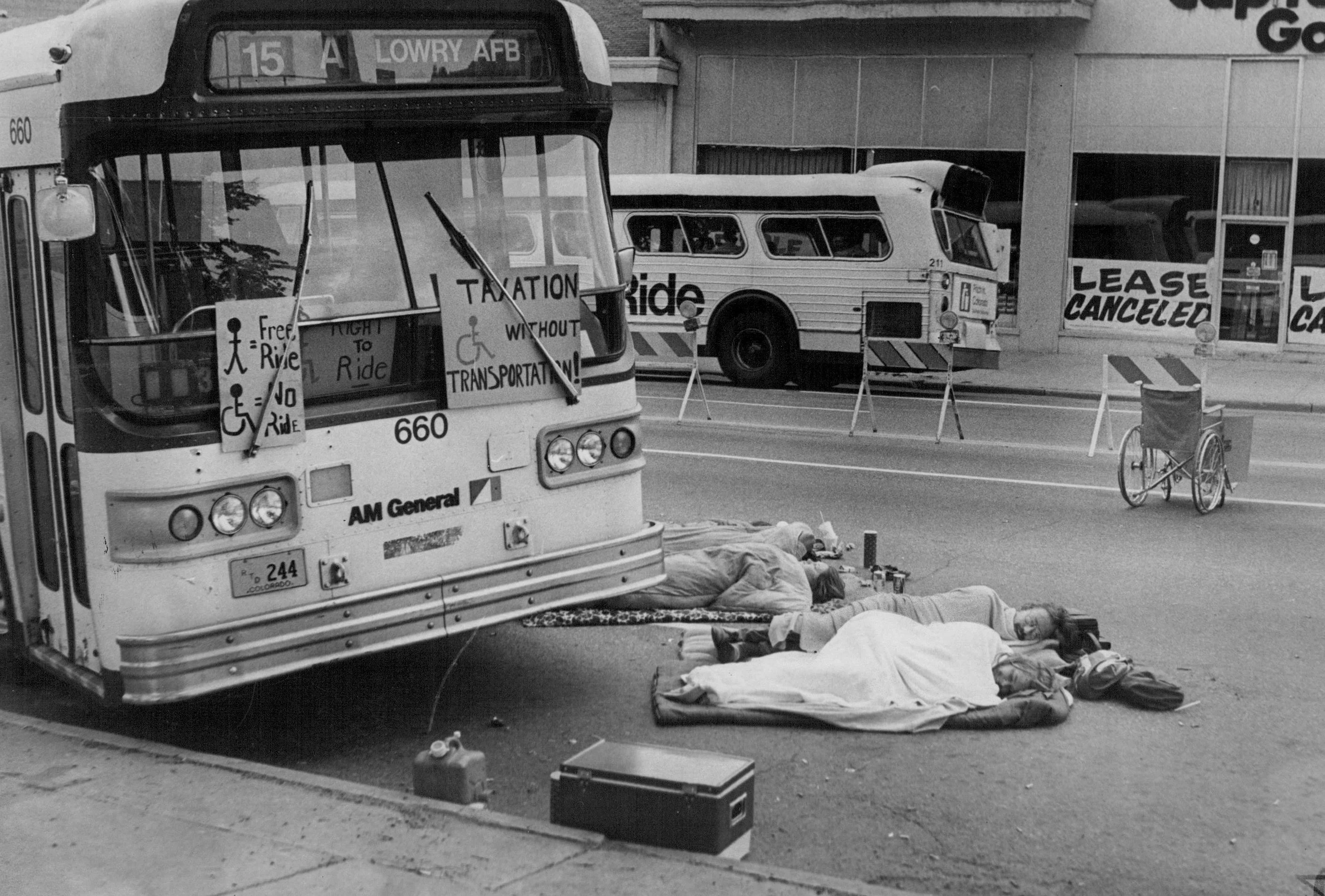
In partnership with the independent nonprofit Civic Center Conservancy, the agencies will also redesign the Civic Center to serve as an accessible public forum, as informed by the Civic Center Next 100 Concept Design initiative. With the Civic Center District’s historical connection to the “Gang of 19” protests, which ultimately helped spur the Americans with Disabilities Act of 1990, an opportunity is presented to highlight the location for its national disability rights history when deliberating on the monuments of the future.
Situated in the heart of the greatly mythologized American West, the rich history of Denver has often been told through art in the public realm. Now, as expressed in the project proposal, the City and its community members are reimagining an inclusive, commemorative landscape through monuments by asking together: Why are they there? Who chose them and how were they selected? What or whom do they represent? When and how should they be renamed, reframed, or removed?