Elevating art, expression, and the human experience
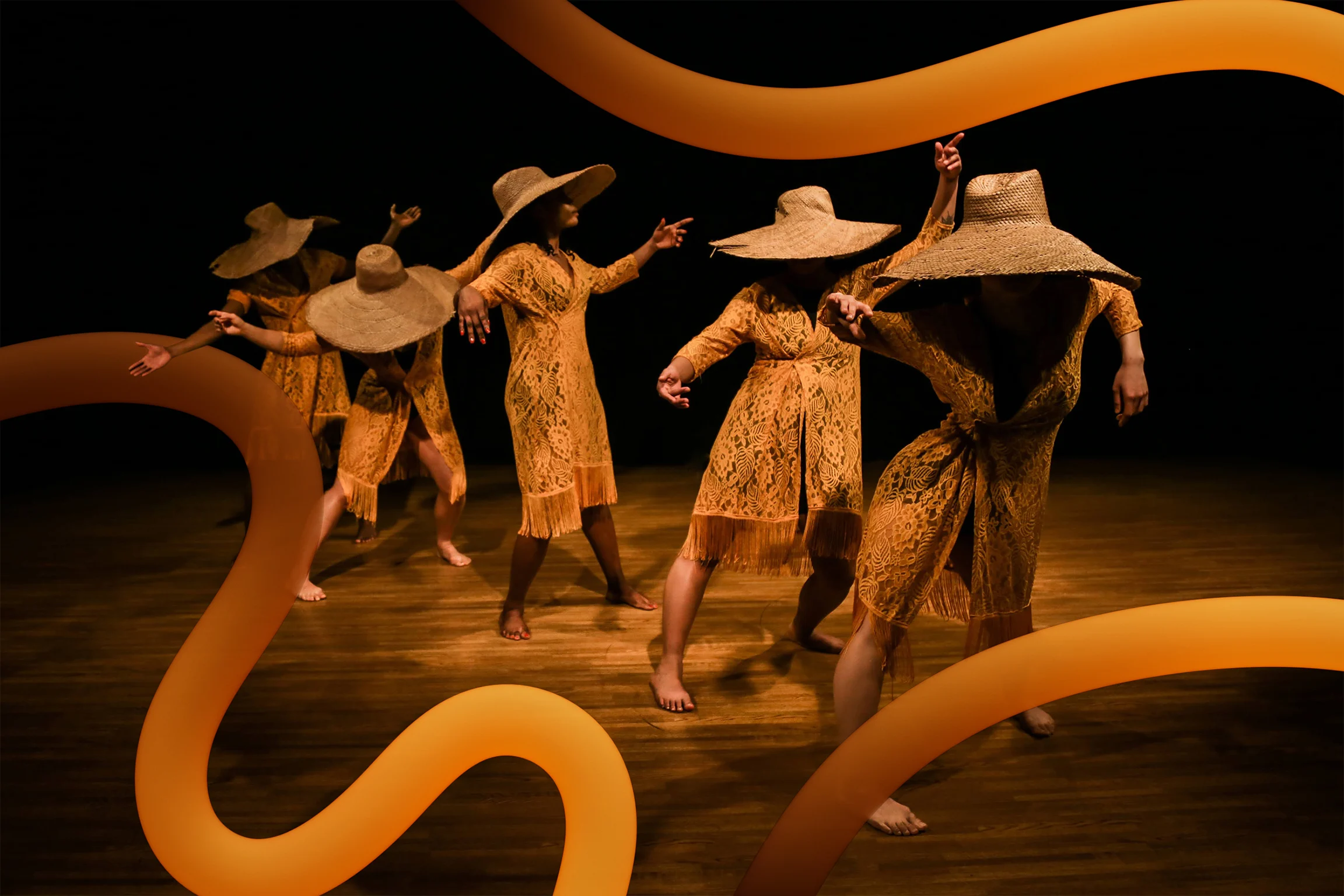
Since our founding, Mellon has partnered with a diverse range of museums and cultural institutions, performing arts organizations, and fields of artistic exploration. Through our support for creative excellence, together with an emphasis on elevating historically under-resourced artists, practitioners, and institutions, this area of grantmaking celebrates the power of the arts to challenge, activate, and nourish the human spirit.
From the beginning, the Foundation’s arts and culture grantmaking reflected the Mellon family’s long commitment to art conservation. An early grantee was the Research Center on the Materials of the Artist and Conservator at Carnegie Mellon University, a pioneering program in the application of science to art conservation. Our investments today include conservation and preservation of historically under-resourced collections, histories, and traditions, including a grant to the Association of Tribal Archives, Libraries, and Museums to support the collections care and repatriation of material culture to indigenous communities.
Mellon’s early grants in the performing arts sought to recognize visionary artists elevating new art forms in new places, including theater companies such as the Negro Ensemble Company in New York and modern dance companies like those led by Merce Cunningham, Martha Graham, and Alvin Ailey. We soon funded the creation of new work by pioneering choreographers including Bill T. Jones, Eiko & Koma, and Elizabeth Streb. Recognizing the role of artists in civic engagement and community-building, today, Mellon supports creatives whose work extends into their communities and drives engagement around critical issues. In service of this goal, we are funding the national expansion of Artists at Work, a WPA-inspired program that employs artists for up to one year to create art and use that art to activate and inspire a community.
Over time, Mellon recognized the entrenched barriers to diversity in the staff and leadership of arts museums—barriers that limit the range of perspectives shaping these institutions. In response, we funded the 2015 Art Museum Demographic Survey, which revealed that the percentage of museum staff of color fell well below the demographics of the US, and there were even fewer leaders of color. While additional cycles of this study in 2018 and 2022 have shown some slow and uneven progress, more than 80% of key roles continue to be held by white people, and gains among staff members who are Black or Indigenous remain limited overall.
We have always deployed our resources support the resilience of arts organizations in the face of challenges and at moments of opportunity. During efforts in the 1980s to defund the National Endowment for the Arts, Mellon responded with both financial support and federal advocacy. In the wake of events like September 11, 2001, Hurricane Sandy, and the COVID-19 pandemic, we provided funding to help arts organizations and individual artists weather the financial impacts. We also support grantees to build infrastructure for local artists and experiment with new economic paradigms. A new focus on supporting culture bearers on both sides of the US-Mexico border includes strategic partnerships to increase access to more diverse kinds of capital, as well as exploring artist employment programs that can sustain the livelihoods of practitioners working within nontraditional arts infrastructures.
In the years ahead, Mellon’s arts and culture grantmaking will continue to celebrate and sustain the transcendent power of the arts. We will support exceptional creative practice, scholarship, and conservation of arts and culture, while nurturing a representative and robust arts and culture ecosystem.