Supporting the humanities and social justice in higher learning
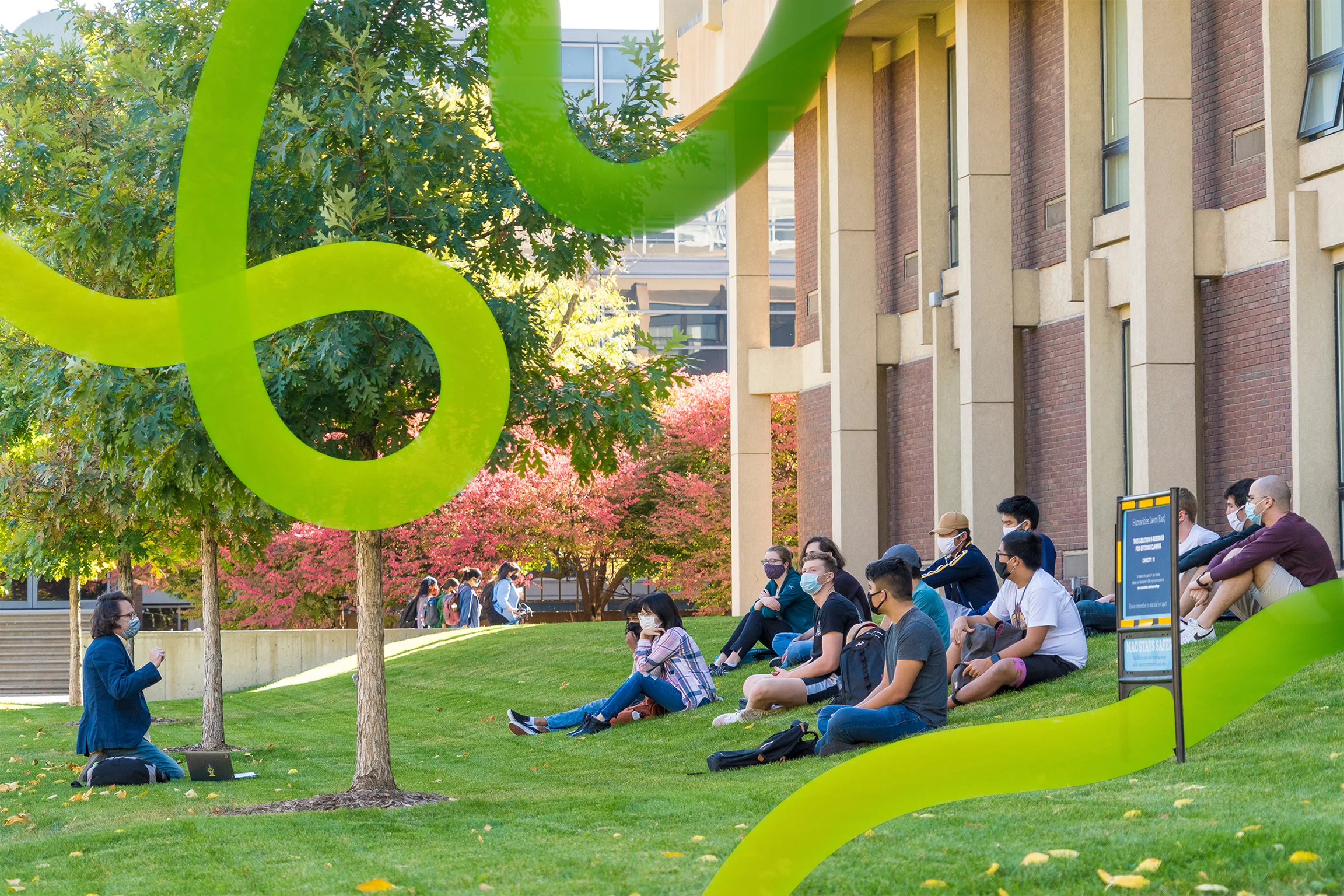
A defining theme throughout Mellon’s history is our unwavering support for higher learning and the humanities. This commitment began with our founders, Ailsa Mellon Bruce and Paul Mellon, whose decision to create the Foundation was inspired in part by a desire to strengthen the role of the humanities in higher education.
From the very beginning, Mellon’s higher learning grantmaking has aimed to create more equitable access in higher education. Support for Navajo Community College (now Diné College) and scholarships for African American students to attend medical school were among the first grants made in our founding year. In 1988, we launched our flagship Mellon Mays Undergraduate Fellowship (MMUF) program to help forge a just academy and shape the future of the humanities in higher education. In 2022, MMUF had grown to include 48 schools and three consortia; more than 6,000 students have been selected as fellows, over 200 of whom are now tenured faculty.
Interdisciplinary study, as well as work that shifts paradigms and uplifts marginalized perspectives, has been another constant in Mellon’s higher learning investments. Launched in 1994, the Sawyer Seminars are our flagship program for interdisciplinary teaching and research, with nearly 200 short-term seminars held at more than sixty institutions to date. More recently, calls for proposals such as Humanities for All Times, which invites liberal arts colleges to develop humanities-based, social justice-focused curricular and community projects, and an open call for concepts have attracted new institutions and forged new directions in grantmaking.
As the environment for humanities education has shifted over time, Mellon has maintained our commitment to sustaining and elevating the field as a whole. When crippling late-70s inflation caused budget cuts across humanities programs, we created the 1980s Funds—prepaid, long-term grants that allowed institutions to benefit from the high yields earned by these funds. In the 2000s, we supported the creation of the Humanities Indicators database, the first central repository of information on the state of humanities education and the impact of the humanities, past and present. Today, Mellon is supporting the creation and exploration of accurate narratives through investments in a range of fields, including Race, Ethnic, and Migration Studies, Gender and Sexuality Studies, Disability Studies, Environmental Justice Studies, and more.
Mellon’s higher learning grantmaking has and will continue to focus on inclusive humanities education and diverse learning environments—spaces where the ideas that enrich our understanding of a complex world are created and elevated. We will advance and expand our work with colleges, universities, and other organizations that embrace equity in higher learning, with a focus on historically underserved populations.