The Words and Wisdom of Natalie Diaz
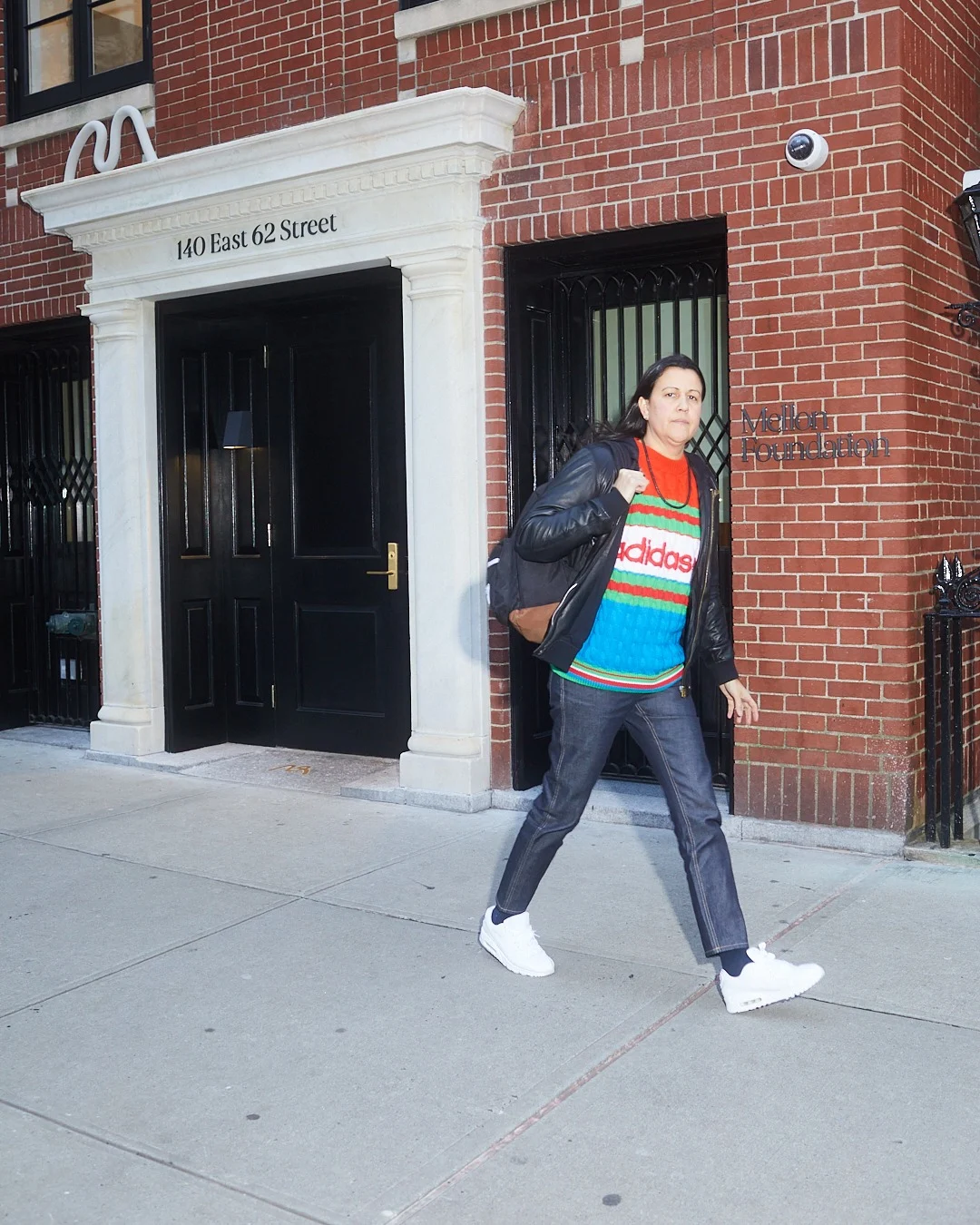
From winding walks through the city to the radical appreciation of poetry’s power, the Pulitzer Prize–winning writer, educator, basketball player, and language-bearer reflects on the ordinary routines—and extraordinary ideas—that fill her time as a Fellow at Mellon.
The Mellon Foundation’s annual Fellow in Residence program brings in innovative thinkers who immerse themselves in their work as a part of our community. The 2022–2023 Mellon Fellow in Residence, Natalie Diaz, is the author of Postcolonial Love Poem and When My Brother Was an Aztec. She shares her thoughts on the poetics of philanthropy, why elders are at the top of her bookshelf, and how her poetry isn’t exactly activism.
You’re a Fellow in Residence at Mellon. When people ask you what that looks like, what do you say?
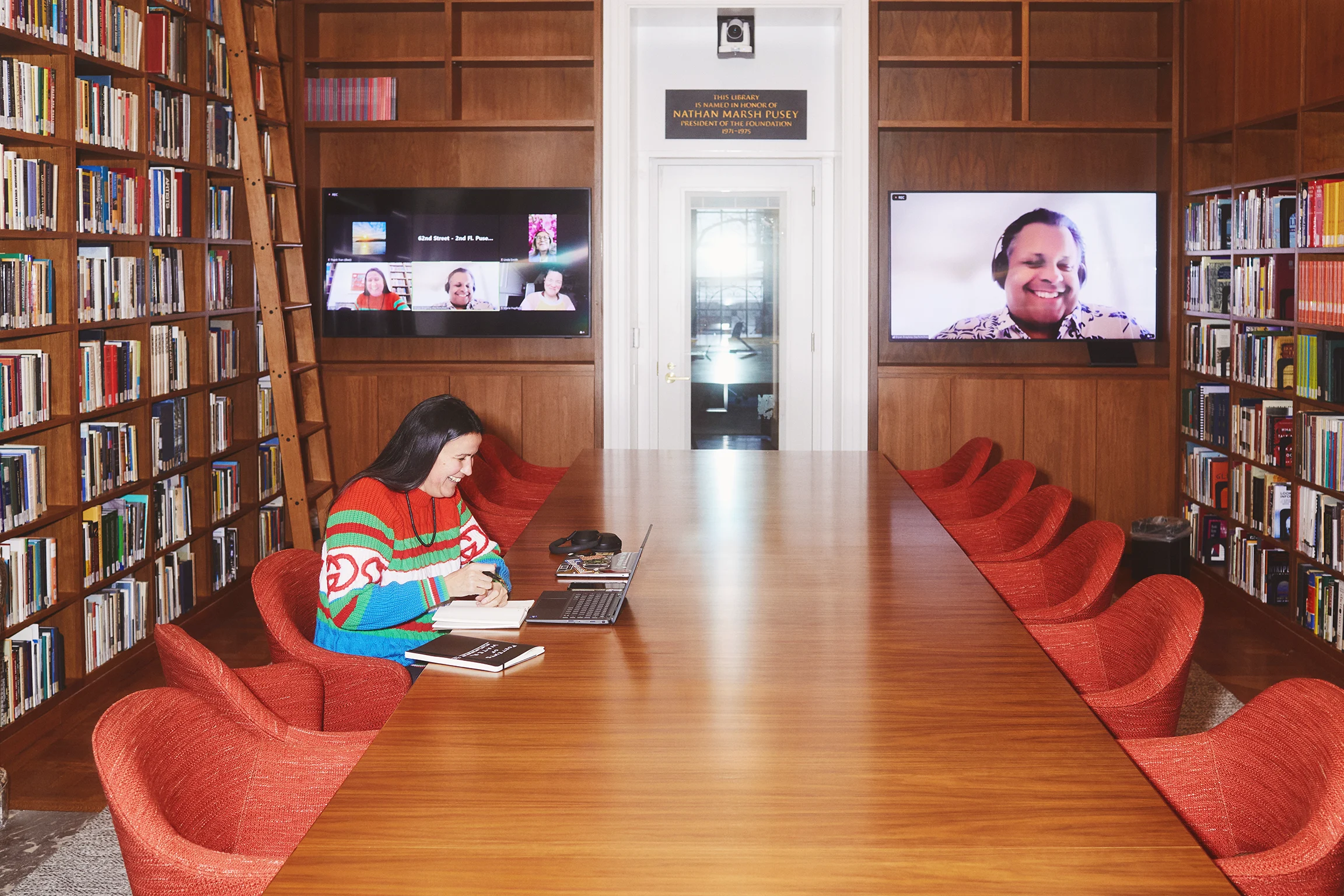
Well, I come in every week, and there’s probably freedom to be completely solitary and stuck in an office. But I don’t write that way. I grew up on a reservation where my community was my family. And then of course, I played team sports—I was a basketball player. So, I work and imagine best when I’m alongside others’ thoughts, imaginings, wonders. That is something that is always available when I’m at Mellon—whether it’s joining town halls or participating in grantmaking initiatives, staff will say, “Hey, we’re thinking about our literature initiatives. Do you have time to have a conversation?” And those are just the days that I’m here. Otherwise, I do a lot of my work toward the fellowship in archives or in museums, in some of the libraries or otherwise.

What place does poetry have in philanthropy?
I think we tend not to categorize philanthropy as poetic, and yet there’s definitely a poetics of philanthropy—or there can be. It matters the way we say things. Language has a power, and the way you say things can make a difference.
So many people at the Foundation are finding new ways to realize—and to be attentive to—what art is, what its impact in our communities is. It’s the fact that there is no art for art’s sake, but that it is one part of a relational connection we have to one another. I don’t use this word often, but it’s inspiring. And not only that; I think it also eases me a little bit to say, “Hey, you’re part of something larger.”
On top of grantmaking at Mellon and programming at Arizona State University, where you are director of the Center for Imagination in the Borderlands, you’re still finding time to write. What does your creative process look like these days?
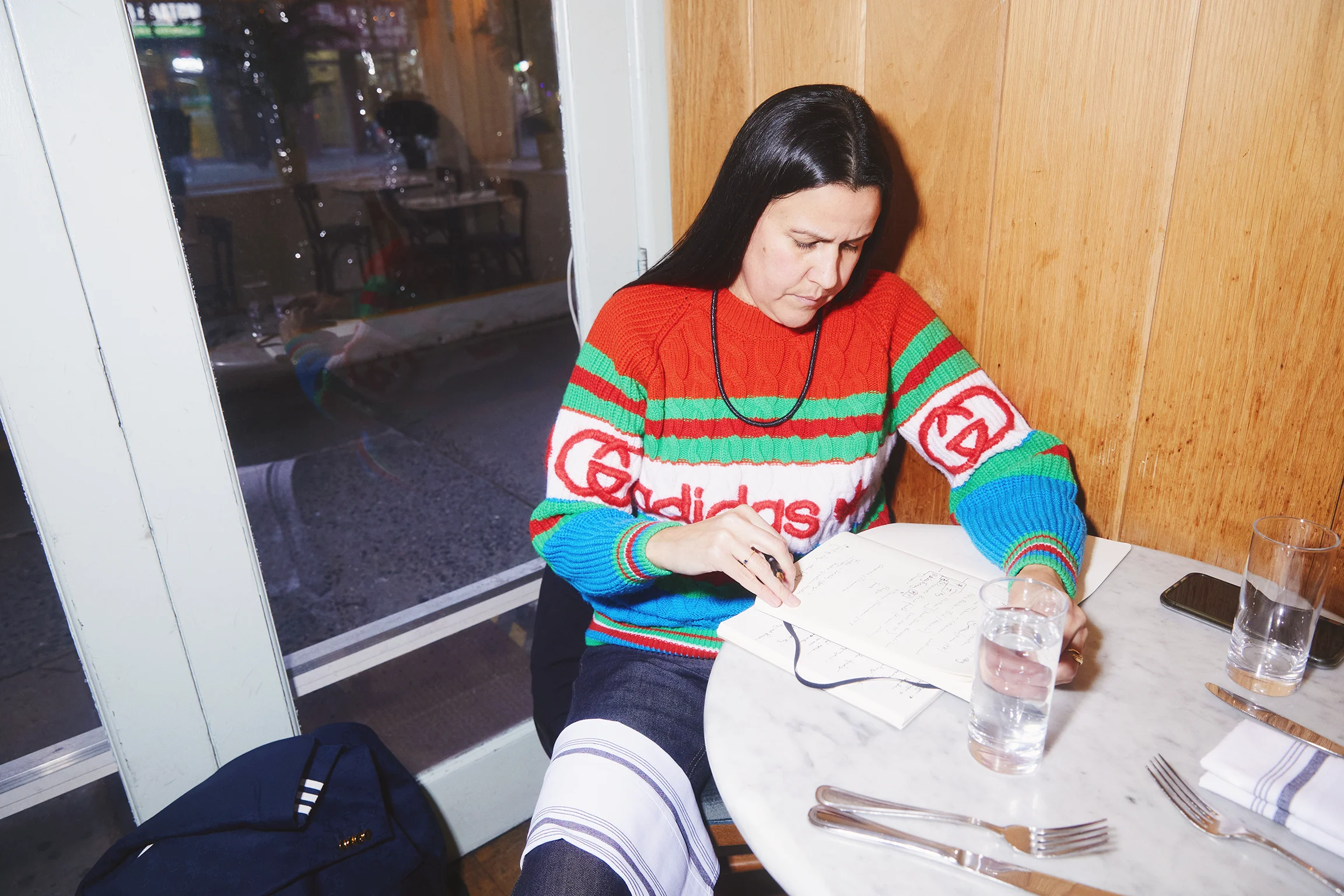
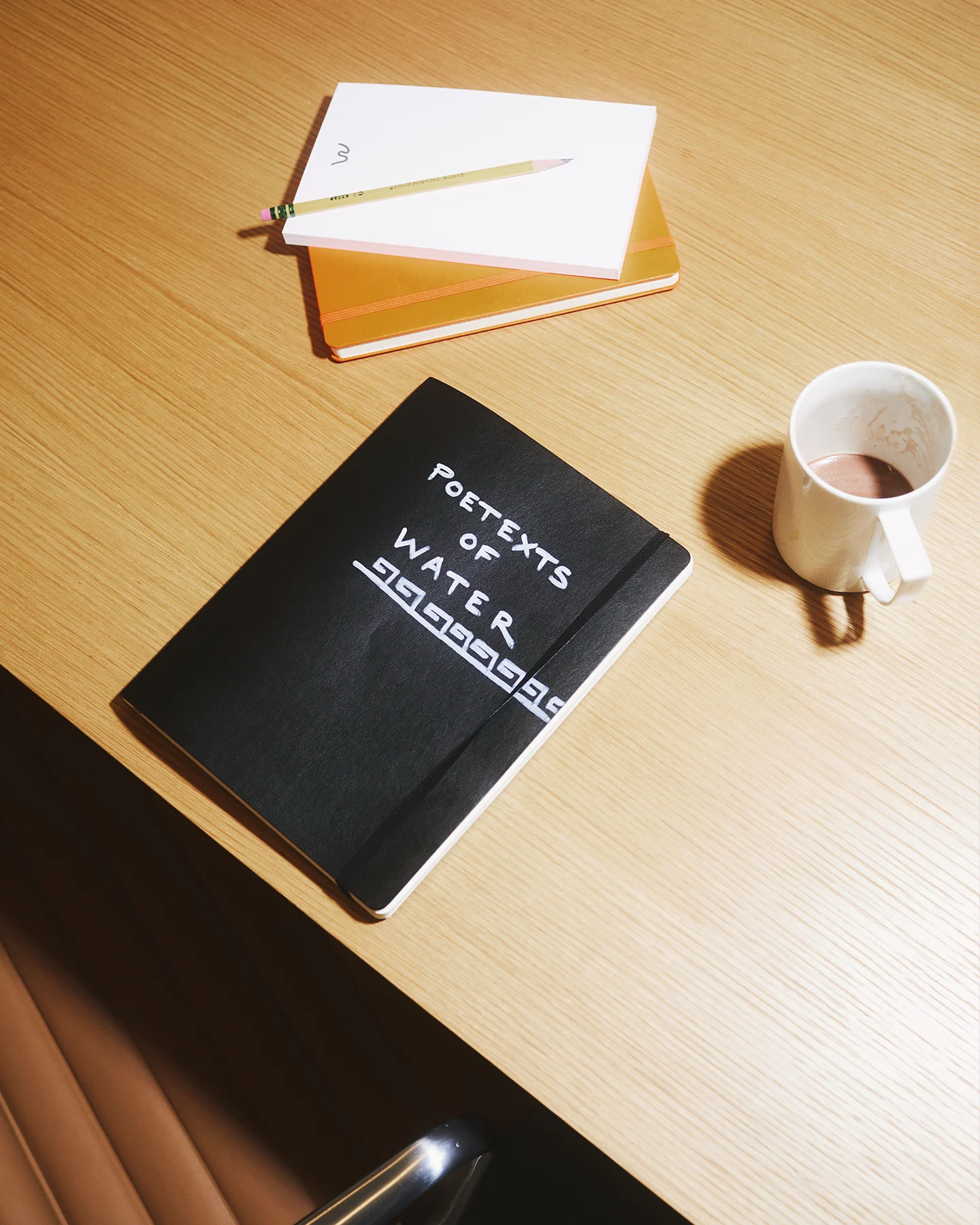
There are two things that feel important to me. The first is that I am a physical writer, so I like to be moving. I’m not a big desk person, but I like to go for walks. I used to run. And that’s where I did some of my best thinking and imagining. I also keep a notebook, which is physical—I like to hear my pen on the page. I don’t have set times when I write. With the way my mind works, I’m just constantly wondering, “What is this? What is that?” I’m image driven, too—probably because I grew up in the desert—so I’m attuned to color and scent and sound and small changes in the sky or the horizon. I draw a lot. And often, I’ll be drawing as I’m thinking about poem, or I’ll be writing in my notebook and then suddenly draw some set of images.
In general, I’ve been trying to give myself a little bit more time and space after I go to a museum show or something, which feels good. And in New York, you have that time because you’ve got to commute. Even if it’s just a really long walk, I’m not jumping into the car to drive home after something.
With all of it, an important part of my practice is thinking of those words that came to me quickly—spending time with where the words have been, thinking of them next to my Mojave language . . . things like that. So, yeah, a lot of “not-writing” I guess is a part of my writing!
Do you edit your work significantly?
I just spend a ton of time in it. I am always wondering, “What is it not yet?” I’m not really precious about what I’ve done because . . . it’s language. Even if I’m saying it one way or the line is occurring one way, I know that there’s a thousand other ways it could be said.
There’s just something about knowing it’s always only as close as I can get—it’s exciting. That's the chase that keeps you engaged.
What does reading poetry look like for you?
I like to stay in certain authors. I’ll have a whole section I’ll revisit—almost like I’m visiting them, like I’m visiting my elders: Mahmoud Darwish, Dionne Brand, César Vallejo. I’m reading in depth with these elders whom I feel I’m in conversation with. I try very hard to feel like I’m alongside them or to have them be alongside me.
And although writing and reading are often considered solitary things, I don’t believe anything is that solitary. At home, we often say “we” not “I.” Writing has always been among a community of writers who’ve come before me. I even read to my friends in the mornings—usually by sending them a voice memo. I’m like, “I could tell you all my problems or I could give you this poem.” They’re always a good mix of happy and sad, joyful and sorrowful.
You seem to think a lot about audience and the impact words will have on listeners and readers. And many of the topics you write about touch on themes of race, nationality, justice, and relationships to land. Would you consider your poetry activism?
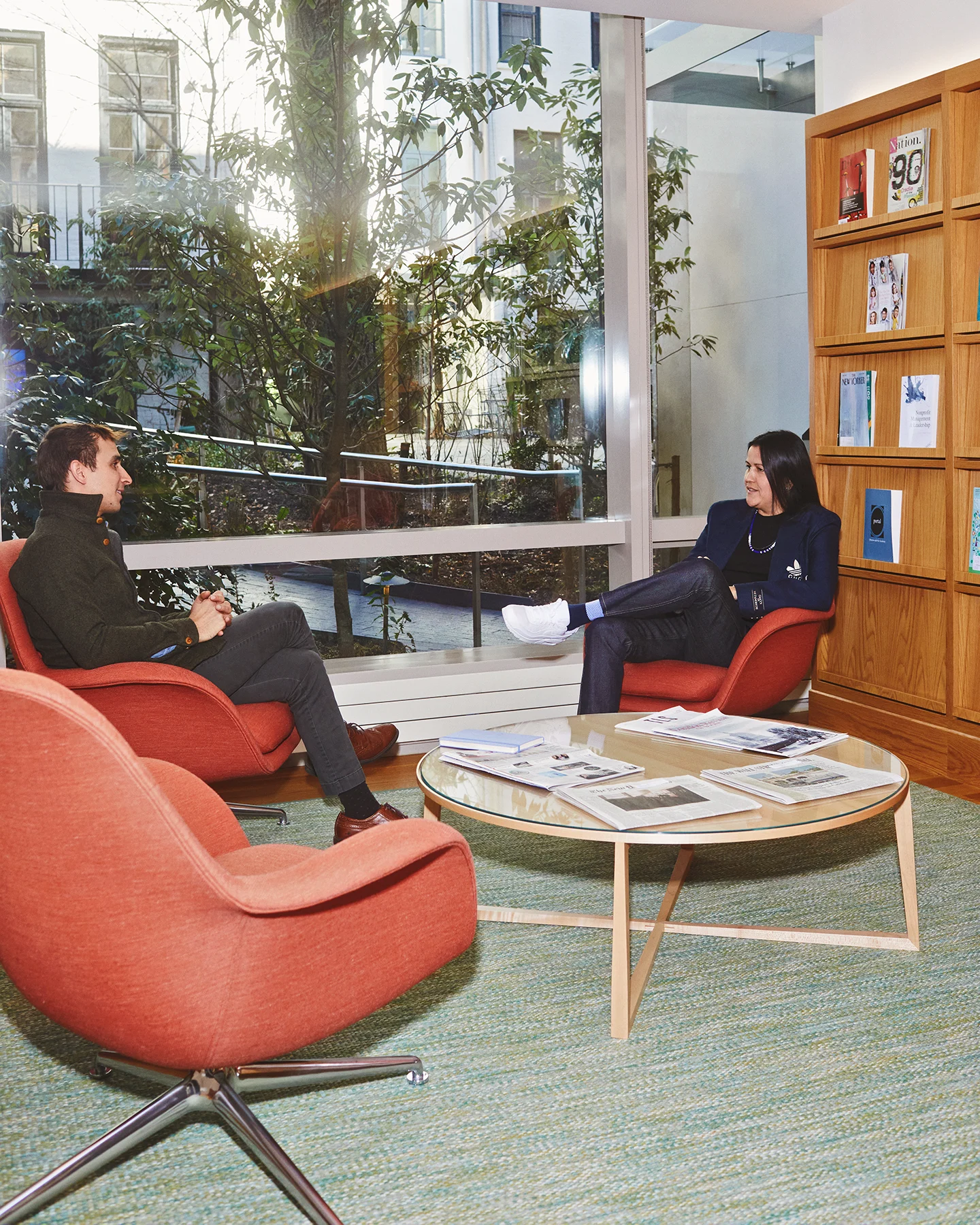
Any time you use language, you are thinking of who might be on the other side of it.
But no, I don’t think of my poetry as activism. (I mean, I also don’t need to argue that it’s not.) But for me, it feels like something lucky. It feels like a gift. And that’s the way I was taught: we all have these gifts, and with those gifts, there are responsibilities. How are you going to engage the world and build questions that might make this world more abundant?
Rather than activism, poetry for me is imagining that there’s a language with which I can carry people more generously. Instead of completely changing the direction of someone’s mind, you allow there to be more possibility, more pathways. The story of the person next to me can also be true, even if it’s in opposition to mine. And I think that’s something that we’re missing. We don’t have a lot to help us sit with differences. What does reading do for me? It opens up another possibility through which somebody else exists that doesn’t have to threaten the way I exist. I think that’s incredibly important.