Mellon Voices
A Q&A with Higher Learning Leadership
Whether we’re talking about literature, philosophy, languages, or history, the humanities ask us to think critically about culture and society. They help us understand what it means to be human. And true to the human condition, they’re experiencing a bit of an existential crisis.
In recent years, despite strong employment indicators for humanities graduates, students and their families have been struggling with the widespread misconception that humanities majors are ill-prepared for post-college employment.
At the graduate level, talented scholars often worry that if they choose to pursue a PhD in the humanities, academic tenure track positions will be in too-short supply to guarantee a secure livelihood.
To help define how an advanced degree in the humanities actually affects employment prospects in today’s professional landscape, we reached out to past recipients of Mellon’s support.
It turns out that some very exciting things are happening for people who followed the humanities path, and where they landed might surprise you.
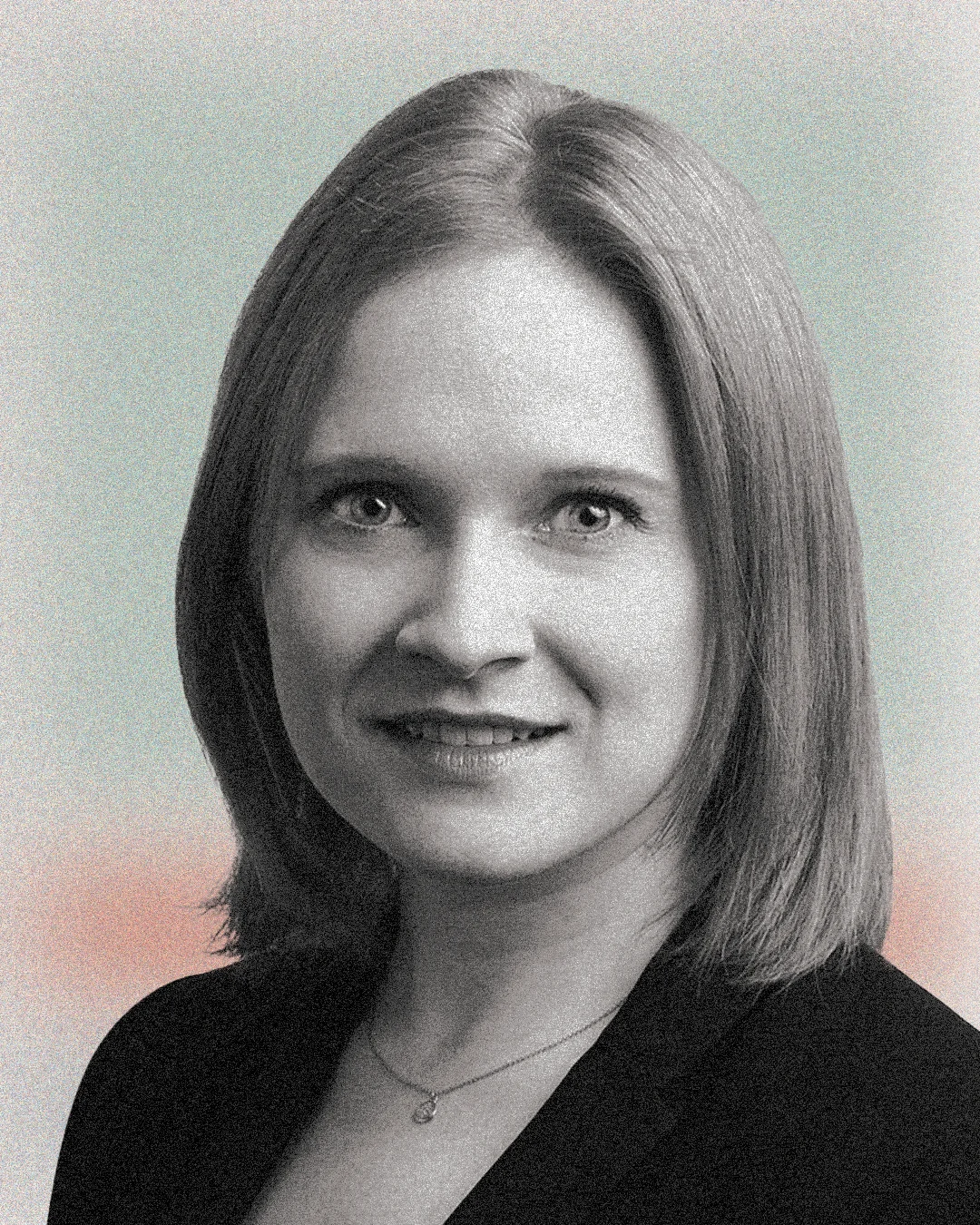
Dr. Jane Greenway Carr
Senior Editor for Ideas and Planning, CNN Opinion
PhD in American Literature, New York University
“Ask difficult questions. Think deeply and critically about the answers. Keep looking for more. Listen to others. Don’t stop investigating. The words matter.”
In her fast-paced newsroom, bringing humanities-driven stories to light is high on the priority list for Dr. Jane Greenway Carr. As senior editor for ideas and planning at CNN Opinion, she works to elevate voices that we might not otherwise hear in our public discourse. On any given day, she commissions pieces that challenge conventional wisdom about political headlines, offer a critical framework on celebrity culture, or unearth how matters of global import play out in everyday life. No two days are ever the same, but the humanities serve as the thread that pulls the stories together.
“The study of the humanities and the practice of journalism share important core tenets: Ask difficult questions. Think deeply and critically about the answers. Keep looking for more. Listen to others. Don’t stop investigating. The words matter,” said Dr. Carr. “If you extrapolate those tenets across industries, they encompass the most fundamental of skills.”
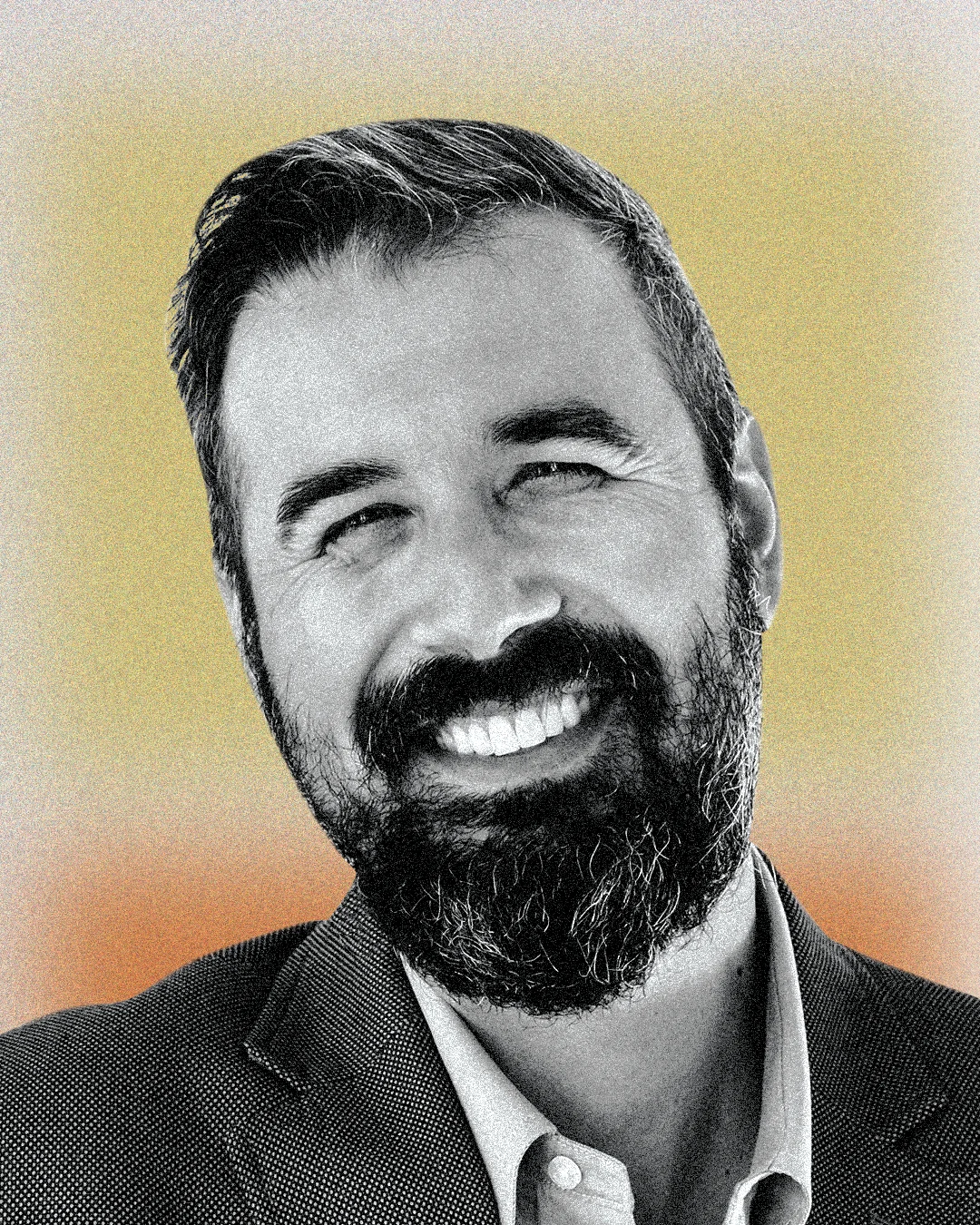
Dr. Michael Tiboris
Director of Agriculture and Water Policy, River Alliance of Wisconsin
PhD in Philosophy, University of California-San Diego
“I have to understand how politicians think, what sorts of policy outcomes are plausible, what the best current science tells us.”
Dr. Michael Tiboris recognized early on that academia is one avenue toward social and political influence—so when he got the opportunity to join the Chicago Council on Global Affairs as an agricultural policy fellow, he jumped at the chance. Today, he works directly with conservation groups in Wisconsin on both stewardship planning and implementation, and on state-level water policy advocacy.
What does the study of humanities have to do with environmental conservation? Quite a lot, as it turns out. “My job depends on my ability to see the big picture and connect it to practice in a way that many people in the agricultural production system do not or cannot do,” said Dr. Tiboris. “I have to understand how politicians think, what sorts of policy outcomes are plausible, what the best current science tells us, and how social networks of farmers adopt, interpret, and implement policy in their work. My humanities training helps enormously with this."
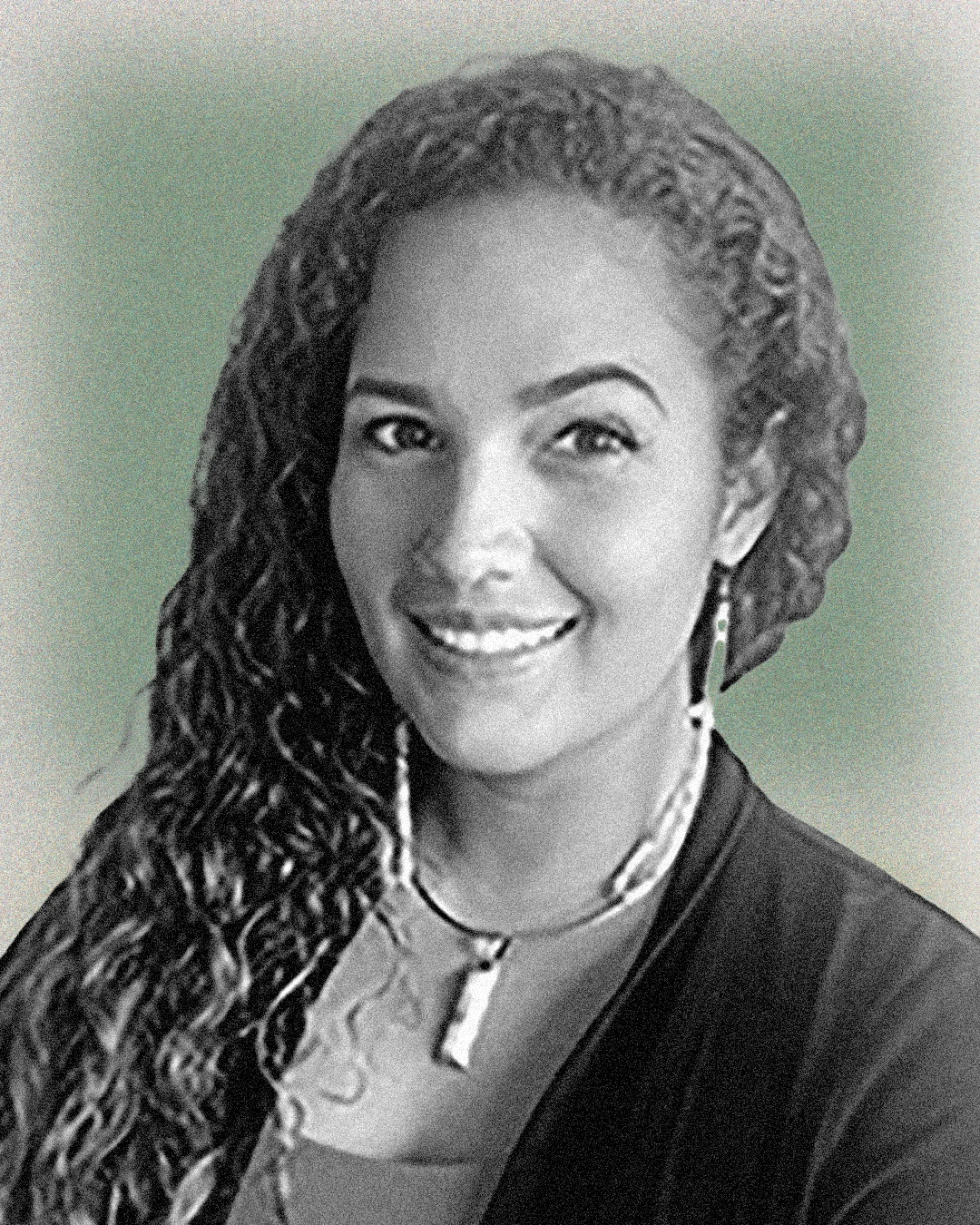
Dr. Elizabeth Rule
Assistant Professor of Critical Race, Gender and Culture Studies
American University
PhD in American Studies, Brown University
“I know that lived experience is the result of interconnectivity. My studies in the humanities enabled me to think through these connections and take them seriously.”
Too many stories about Indigenous peoples in America remain untold, but Dr. Elizabeth Rule is working to change that. An enrolled member of the Chickasaw Nation and a professor at American University in Washington, DC, Dr. Rule created the Guide to Indigenous DC app, which takes users on a self-guided walking tour of sites around the city. Trained to think critically about how seemingly disparate ideas are intertwined, her work uses technology and multimedia to make public conversations about social issues more tangible.
“As an Indigenous person, I know that lived experience is the result of interconnectivity, and that these connected topics and subject areas are often separated, organized, and categorized in a university setting,” said Dr. Rule. “My studies in the humanities enabled me to think through these connections and take them seriously.”
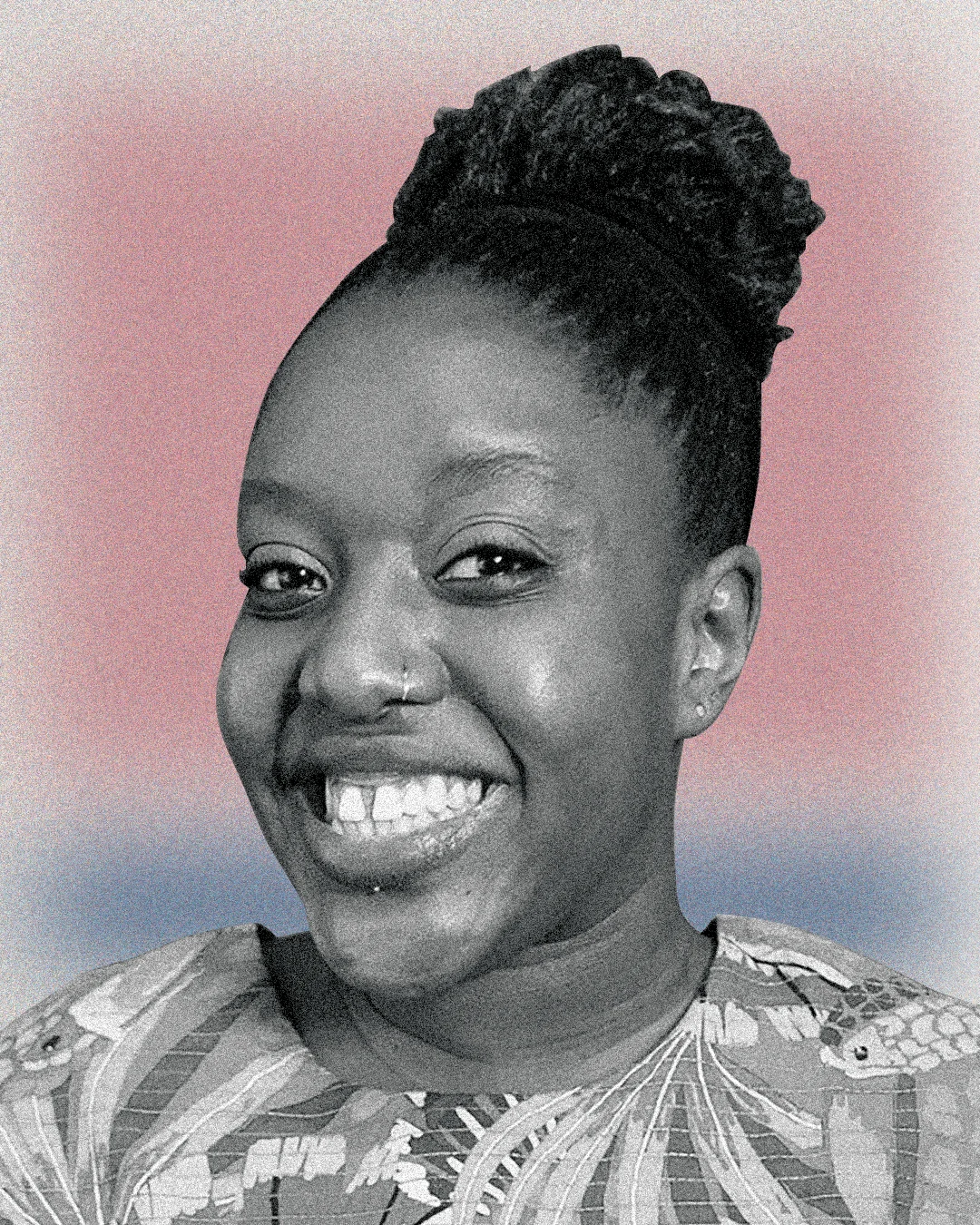
Dr. Marsha Jean-Charles
Director of Organizing, The Brotherhood Sister Sol
PhD in Africana Studies, Cornell University
“Literature has moved me, transfixed my spirit, and helped me feel seen.”
When she was just fifteen years old, Dr. Marsha Jean-Charles read a book by author Edwidge Danticat that struck a deep chord. Like Dr. Jean-Charles, Danticat is a Haitian-American woman who is passionate about issues of power and injustice. Dr. Jean-Charles went on to break new ground at Cornell University in 2019 when she became the first student to earn a PhD in Africana Studies. Today, she works at The Brotherhood Sister Sol in New York City, a nonprofit organization dedicated to empowering Black and Latinx youth, organizing for justice, and training educators to challenge inequity.
“Literature has moved me, transfixed my spirit, and helped me feel seen,” said Dr. Jean-Charles. “Experiencing that reminds me that change is possible. Studying how it’s done helps me change the world one person at a time—including myself.”
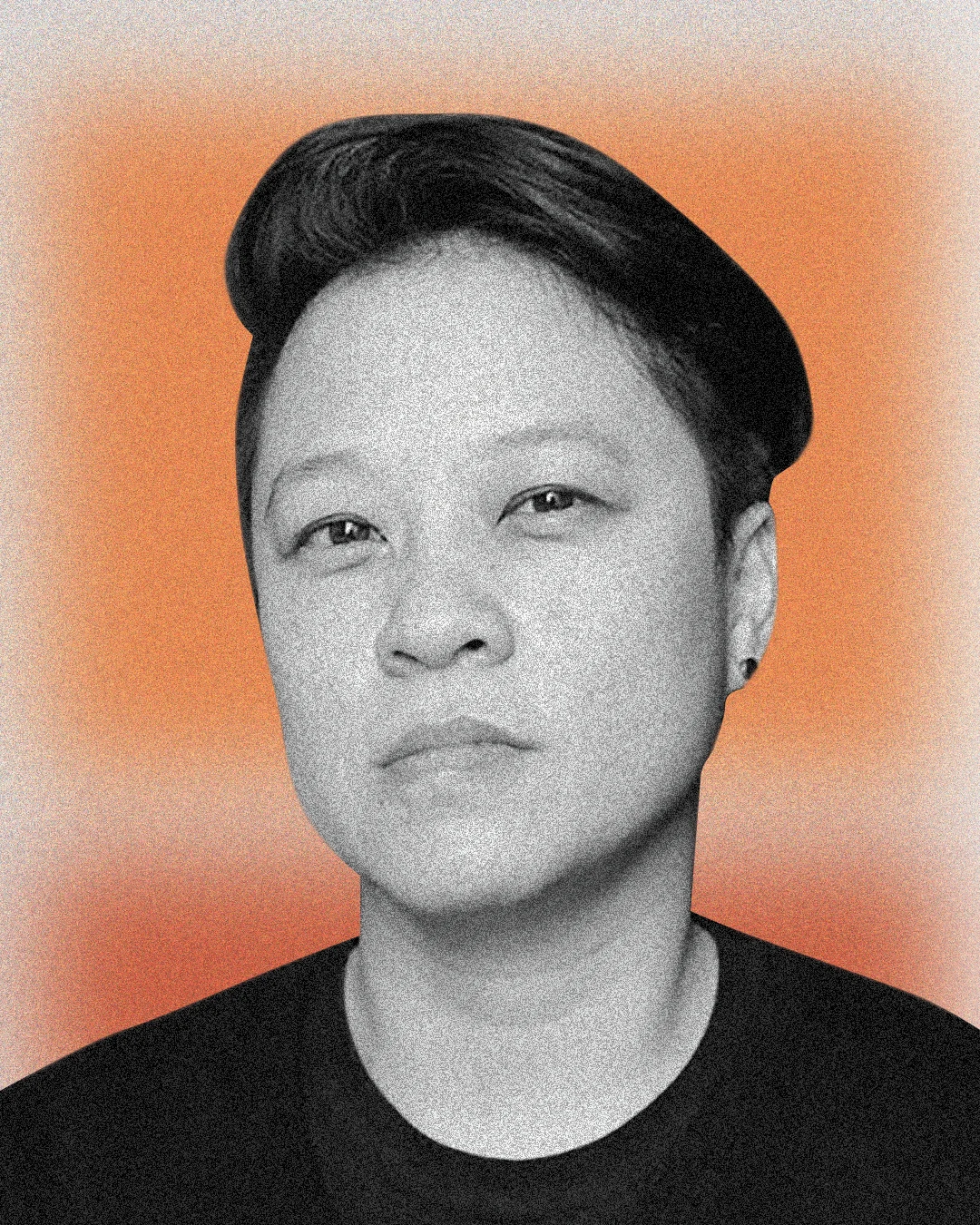
Dr. Umi Hsu
Independent content and audio producer, previously at One Institute
PhD in Critical and Comparative Studies in Music, University of Virginia
“Listen to your biggest questions. Let them surface. Play with them in various modalities and contexts with those you trust.”
Music was one of the only things that gave Dr. Umi Hsu a sense of belonging as a queer and Asian American pre-teen growing up in the suburbs. They discovered a love for public humanities while in graduate school, when they studied ethnomusicology and wrote a dissertation about Asian American indie rock musicians.
As director of content strategy at One Institute from 2019 to 2023, Hsu directed exhibitions, new media projects, and public programs. They started and led the production of Periodically Queer, One Institute’s podcast on archival printed media and queer worldmaking. Now they are on a two-year Artist in Residence program in Taiwan working on an experimental audio documentary. Dr. Hsu offers this advice: “Listen to your biggest questions. Let them surface. Play with them in various modalities and contexts, with those you trust. These questions may be larger than life but that’s why they are there.”
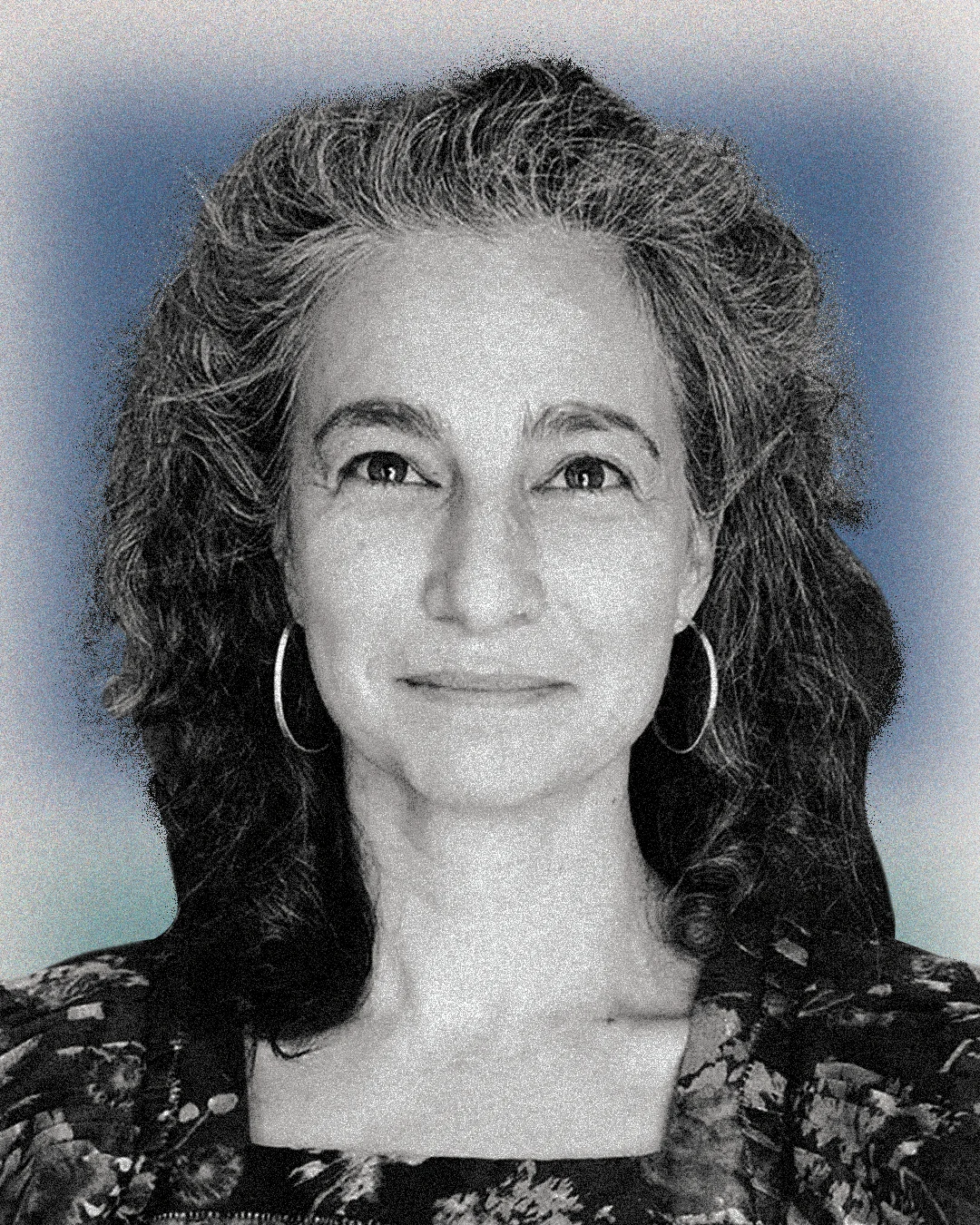
Dr. Annie Polland
President, Tenement Museum
PhD in History, Columbia University
“Even people who might have loathed studying history in textbooks in classrooms often display a natural curiosity once immersed in a story.”
Dr. Annie Polland grew up immersed in the stories of her grandparents, children of immigrants who helped raise her. Her curiosity about their journeys eventually drew her to study history as a doctoral student at Columbia University in New York City, where she was surrounded by the living history of migration and the American identity. Today, her humanities background fuels her work with the Tenement Museum, dedicated to telling the stories of the immigrants, migrants and refugees who created homes in the tenements. Working closely with historians, curators and educators, Dr. Polland researches their histories and meticulously recreates tenement apartments to share with the public.
“Even people who might have loathed studying history in textbooks in classrooms often display a natural curiosity once immersed in a story,” says Dr. Polland. “They ask brilliant questions; they share fascinating stories about their own lives. These connections between past and present are the essence of the humanities.”
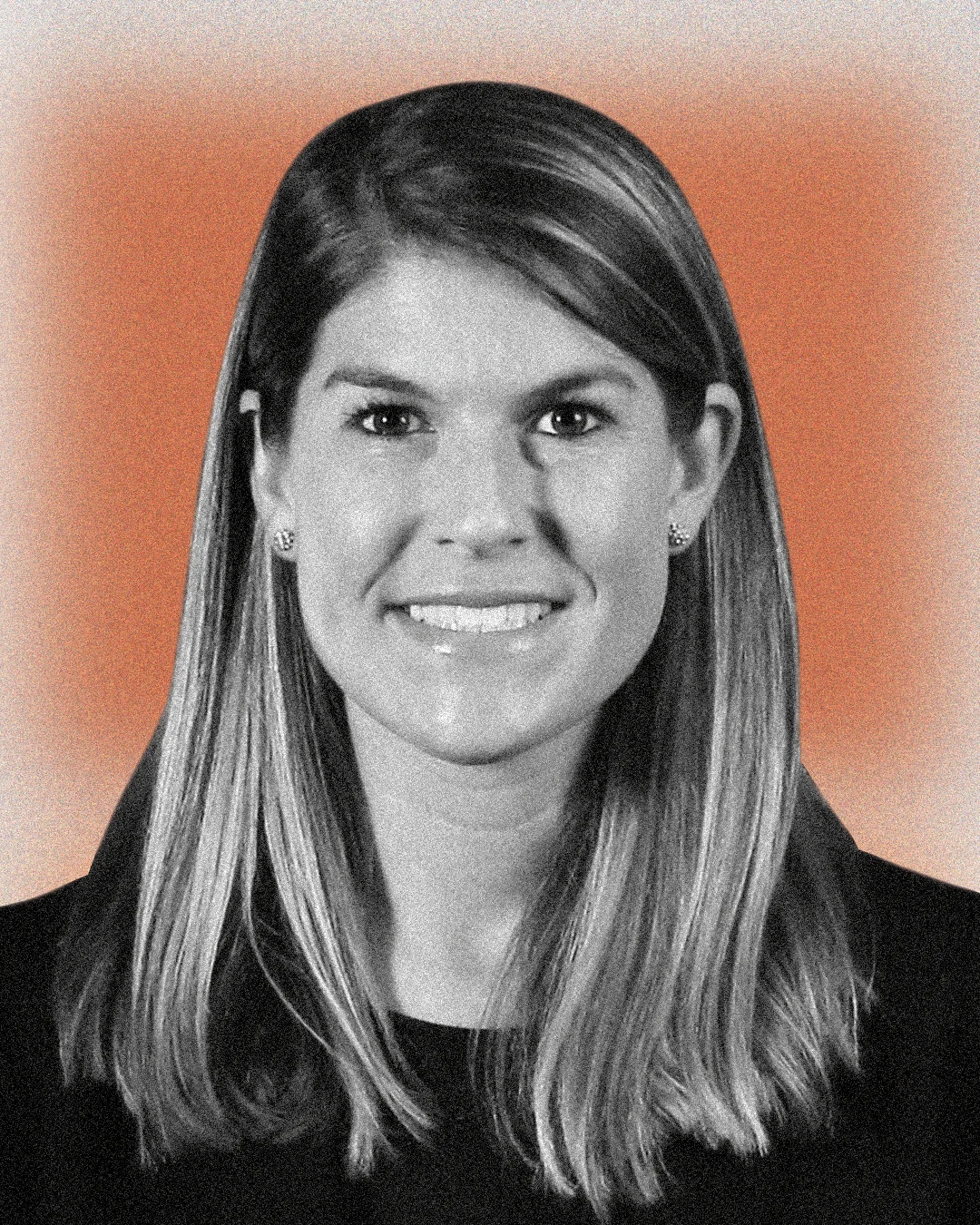
Dr. Alyssa Trometter
Managing Director, Clinton Global Initiative University
PhD in Transnational, African American, Native American and Australian Aboriginal Studies, University of Melbourne
“My humanities studies shaped my perspective, deepened my understanding of social issues, and influenced my commitment to public service.”
While still earning her PhD, Dr. Alyssa Trometter was already advising the US Department of State on international education policies and cultural exchange programs. Her journey to global policy making began as a student of the humanities. After earning an undergraduate degree in History with a concentration in Indigenous Studies at the College of the Holy Cross, Dr. Trometter’s passion for community empowerment led her to Australia, where she earned a doctorate from the University of Melbourne in Historical and Philosophical studies focused on Transnational, African American, Native American and Australian Aboriginal Studies. Now Dr. Trometter works for the Clinton Global Initiative University, an initiative of the Clinton Foundation, where she supports students who—like her—are creating practical solutions to pressing global issues.
“Working for the Clinton Foundation means contributing to real-world, positive change on a global scale. My humanities studies shaped my perspective, deepened my understanding of social issues, and influenced my commitment to public service.”
Dr. Jane Greenway Carr is senior editor for ideas and planning at CNN Opinion. She has written for the Atlantic, Slate, Vox and other journalistic and scholarly outlets. She is the co-editor, with Lori Harrison-Kahan, of a forthcoming volume from Penguin Classics, The Case of Lizzie Borden and Other Writings.
Dr. Michael Tiboris is a policy specialist in urban and agricultural water policy at the River Alliance of Wisconsin. Michael works directly with conservation agriculture groups in Wisconsin on both stewardship planning and implementation, and on state-level water policy advocacy.
Dr. Elizabeth Rule (enrolled citizen, Chickasaw Nation) is a writer, public scholar, policymaker, and advocate for Indigenous communities. She was appointed as the first Deputy Secretary for First Nations in the history of New York State in 2023, and is a Professor at American University.
Dr. Marsha Jean-Charles is a Haitian-American scholar-organizer who believes that sociopolitical education, evidence-based practices, strategic goals, and sustainable culture shifts can empower people to transform systems of oppression in their workplaces, schools, and communities. She works at The Brotherhood Sister Sol in New York City.
Dr. Umi Hsu (they/them) is a public humanist, digital strategist, and audio producer. Hsu most recently served as the Director of Content Strategy, directing award-winning exhibitions, public programs, and new media projects at One Institute (formerly ONE Archives Foundation).
Dr. Annie Polland is president of the Tenement Museum in New York City, dedicated to exploring the stories of working-class residents who helped build the nation. She also served as executive director of the American Jewish Historical Society.
Dr. Alyssa Trometter works with aspiring leaders to make change in their communities through the Clinton Global Initiative. She is the author of “Aboriginal Black Power and the Rise of the Australian Black Panther Party, 1967-1972” published by Palgrave Macmillan in 2021.