
April 17, 2024
Mellon Awards $25M for Paid Internships for Humanities Majors at Public Universities and Colleges
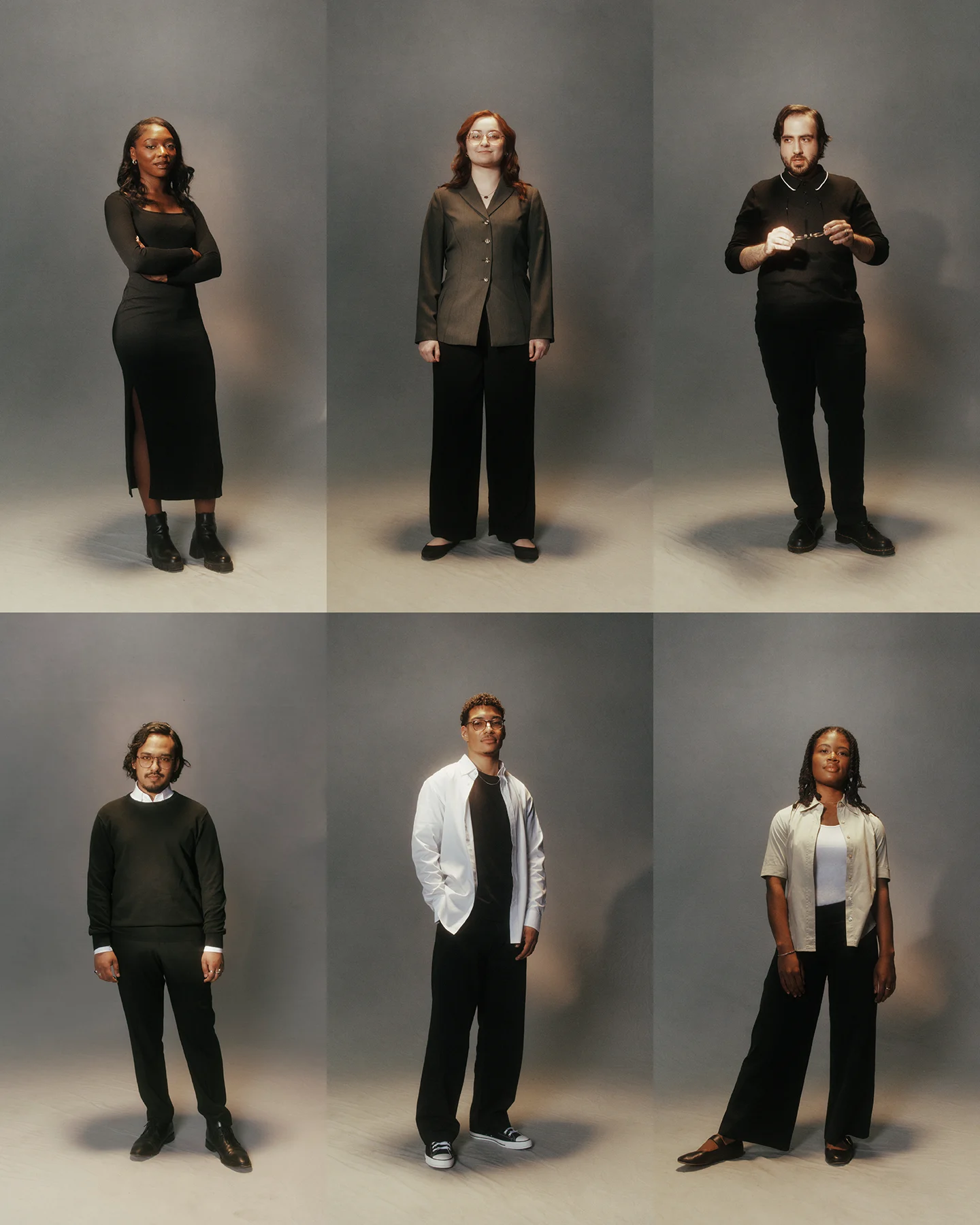
Commencement season—already a stressful time for students submitting final projects, saying goodbye to friends, and figuring out post-college plans—is particularly challenging this year.
For students who are graduating from two- and four-year programs in 2024, the bookends of their experience are uncannily similar. While every person has a different story to tell, their collective undergraduate experience unfolded during an unprecedented time in human history.
After many students did not get a high school graduation ceremony, they then went on to start their college journey amid lockdowns and at the height of Covid-19. They navigated the transition through remote classes and sought out friendships through screens. They had to adjust to the rhythms of campus life where everyone—including administrators—was struggling to find their way in “the new normal.” Together, they all saw an attack on the US Capitol and the reversal of affirmative action by the US Supreme Court. And in recent weeks, across the country campus demonstrations over the Israel–Hamas war have intensified and, in some settings, mandated students to return to remote classes.
The class of 2024 is ending their college journey like how they started—facing much uncertainty, but also uniquely equipped to adapt and persevere. What can we learn from them and from their reflections on the last four years?
We invited six Mellon Mays Undergraduate Fellows (MMUF) who are graduating from New York City institutions to reflect on their college journeys and share their hopes for their next chapters.
Through these conversations, we’re reminded that no matter the surrounding circumstances, the promise of college is, for so many people, so full of potential. It’s a time to find out who you are—and to forge an identity as an adult. Despite barriers, this class has made it through and even thrived.
We celebrate their resilience and achievements and look toward the bright future that awaits them.
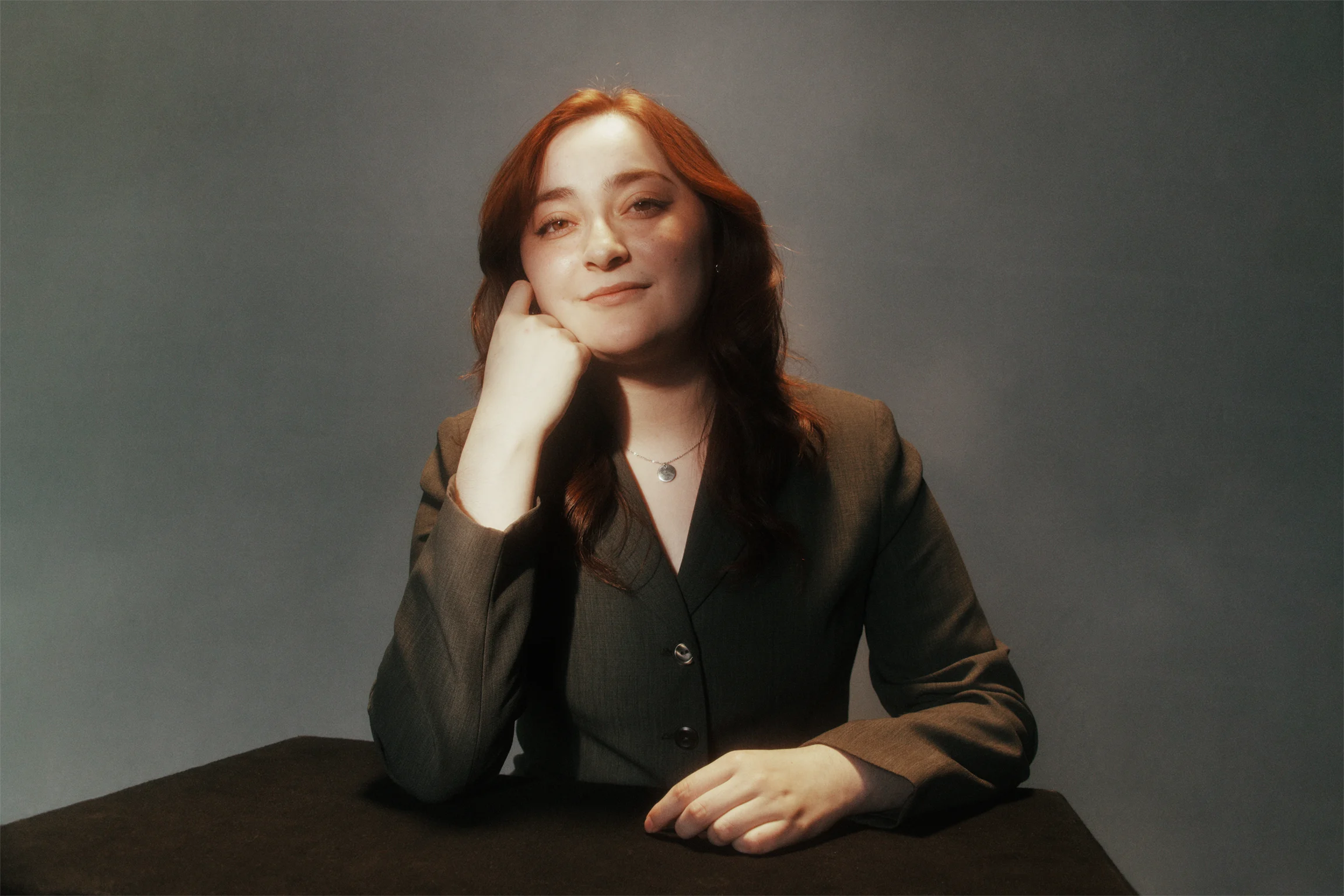
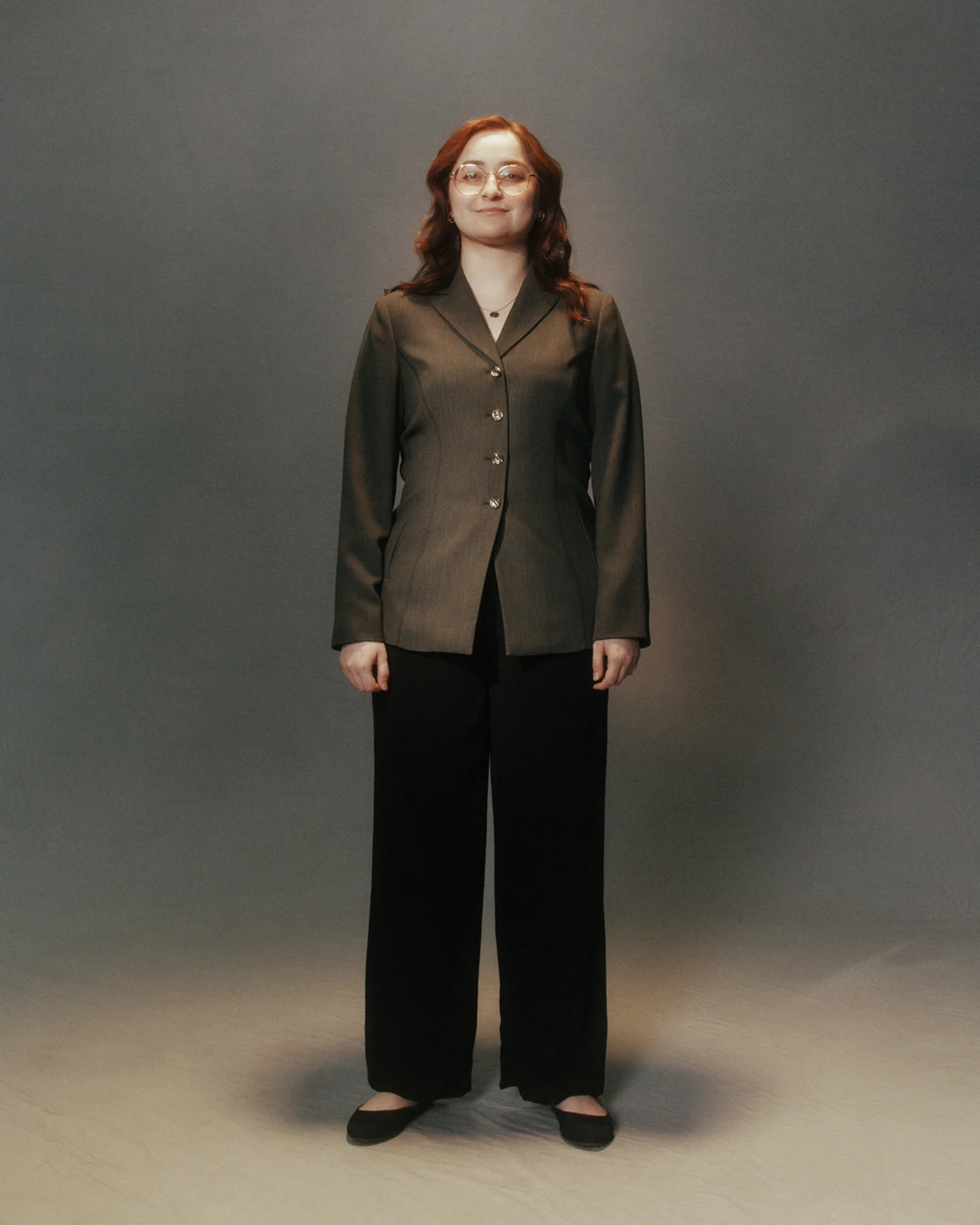
“I was such a bookworm when I was young.” One of the few childhood photos that exists of Melissa “Eli” Andrade is of her reading a book. Growing up in the desert borderlands of El Paso, Texas, Andrade found comfort in words and pages and immersed herself in stories to explore the world beyond the isolating Chihuahuan Desert.
In her first year of college, Andrade wanted to explore the world beyond the small and relatively remote Williams College campus where she was enrolled. It wasn’t the right fit. Even in a pandemic, the resources and excitement presented by a college in a bigger city were hard to resist. Andrade transferred to Columbia University in 2021.
At first, the experience was intimidating. “New York City is huge. It's scary. I’ve always been very introverted, and so having to navigate this loud, crowded space, especially in the pandemic when everyone was isolating themselves—it was a big adjustment.” But Andrade was able to settle in by finding a friend group in her first literature humanities class, part of Columbia University’s core curriculum.
Hear from Melissa “Eli” Andrade
“I’m more secure of who I am and the ideas I have. I’m proud that I am able to stand by the person that I’ve become.”
The class also helped Andrade see that she could turn her love of literature into a career. Andrade was particularly inspired by a professor’s engaging teaching style. Andrade says, “The way she taught that course was so articulate and eloquent, and I was like, I want to do that. I could be an English teacher at a high school. And then I was like, wait, maybe I don’t need to sell myself short. Maybe I could join the professoriate someday?”
Andrade plans to pursue her PhD in English after taking a gap year at home in Texas. Andrade acknowledges she is worried that she may lose her resilience along the intellectual journey, but she is quick to remind herself of what she’s learned throughout this experience: “I’m more secure in who I am and the ideas I have. I’m proud that I am able to stand by the person that I’ve become.”
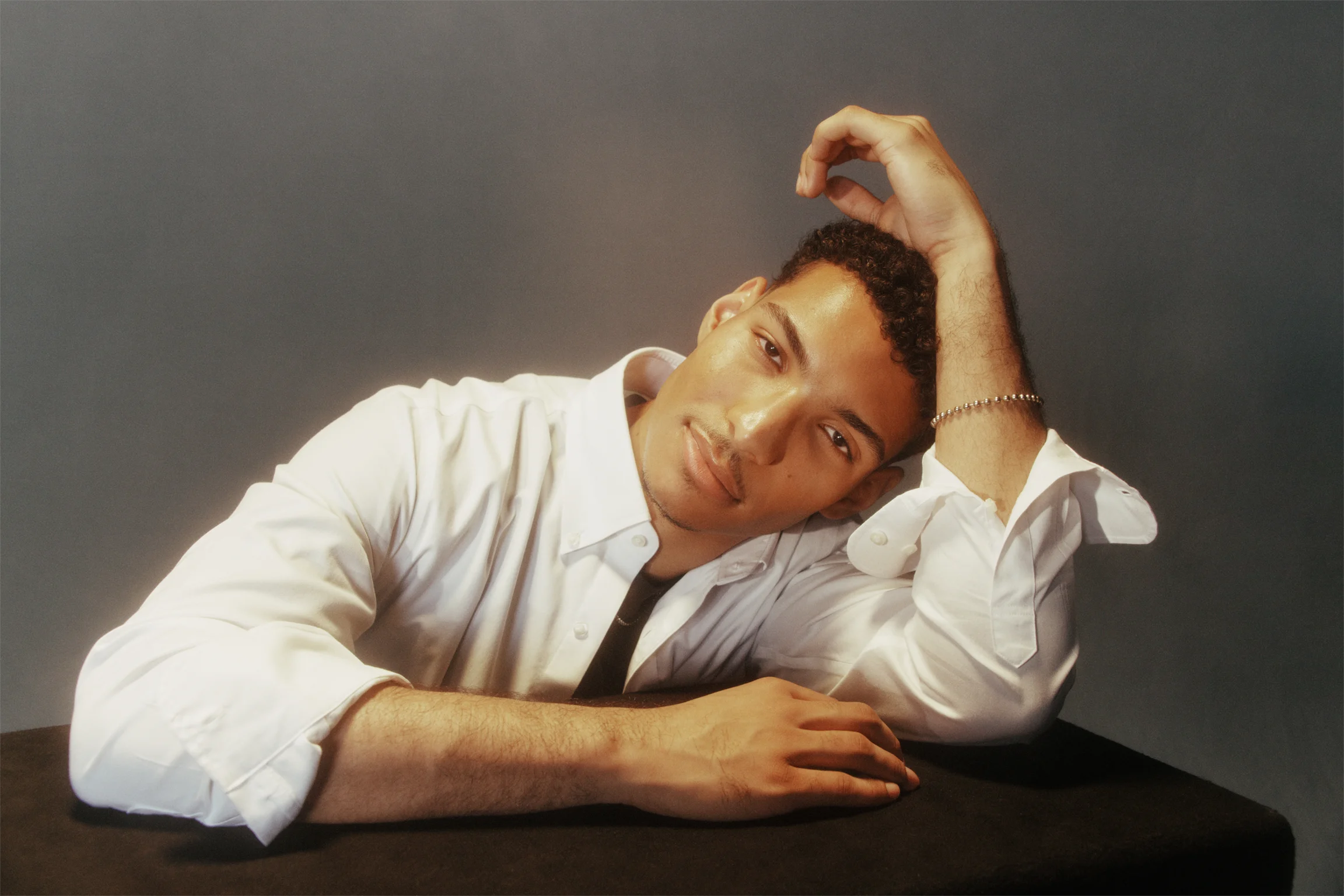
Randy Garcia is learning to expect the unexpected. Born in the Dominican Republic, Garcia moved to Manhattan’s Inwood neighborhood in New York when he was four years old.
Growing up, college was not part of the conversation in his family. “No one was expecting any of us to go to college,” he explains. “They were all expecting us to just work and help support the family. I didn’t expect myself to go to college at all.”
That changed in high school when Garcia took formative biology and AP Statistics classes with teachers who helped him envision a future that included higher education. But Garcia says he was overwhelmed by indecision during the college application process and applied to multiple colleges and different majors for each school, effectively leaving his future to chance. He landed at City College of New York. “It ended up being a great decision,” he says.
His college experience has been full of surprises, extending beyond just the pandemic. Garcia had not anticipated that the technical challenges of remote learning, like persistent Zoom, Wi-Fi, and microphone issues, would disrupt his year. He also didn’t think he would evolve from a quiet person to someone who actively participates in class discussions. And Garcia certainly did not expect to develop such an interest in history—specifically East Asian history—and have it lead to his biggest accomplishment. “I finally made my way through the BA/MA in history, something that was completely not in my mind when I started college. And to me, that's everything.”
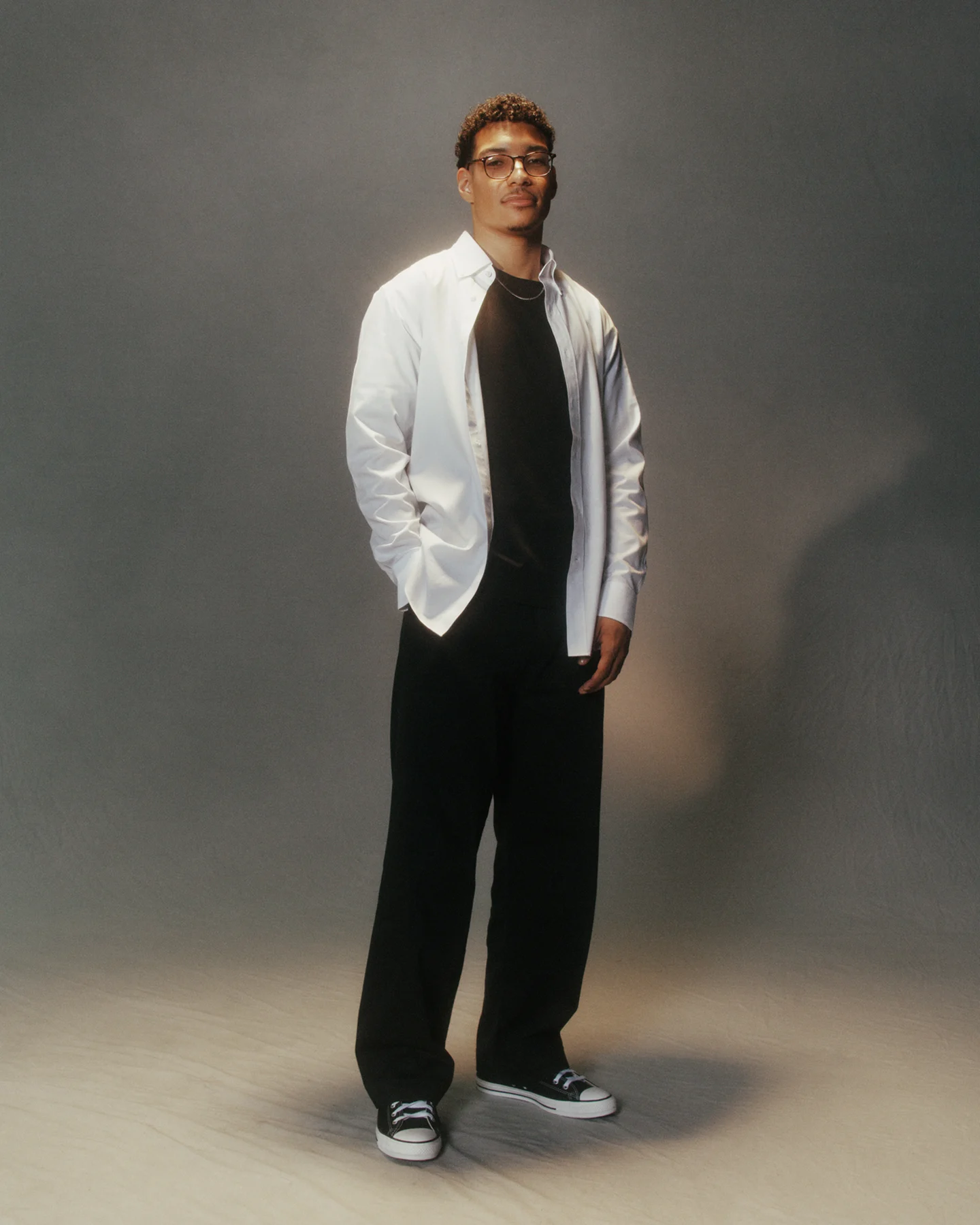
Hear from Randy Garcia
“This is something we can do, like academics, scholars, these are actual jobs that we can obtain.”
Garcia is kicking off his next chapter with a big cross-country move. He is headed to California in the fall to start a master’s program in East Asian history at the University of California Berkeley. For Garcia, this will be his first time living out on his own and “having that college experience.”
Garcia’s ultimate goal is to make an impact in his community by showing students with a similar background that college and bigger opportunities are within reach. He says, “I want to be able to show them that this is something we can do—like academics, scholars, these are actual jobs that we can actually obtain. This brighter future will help feed back to our community and lift our community up.”
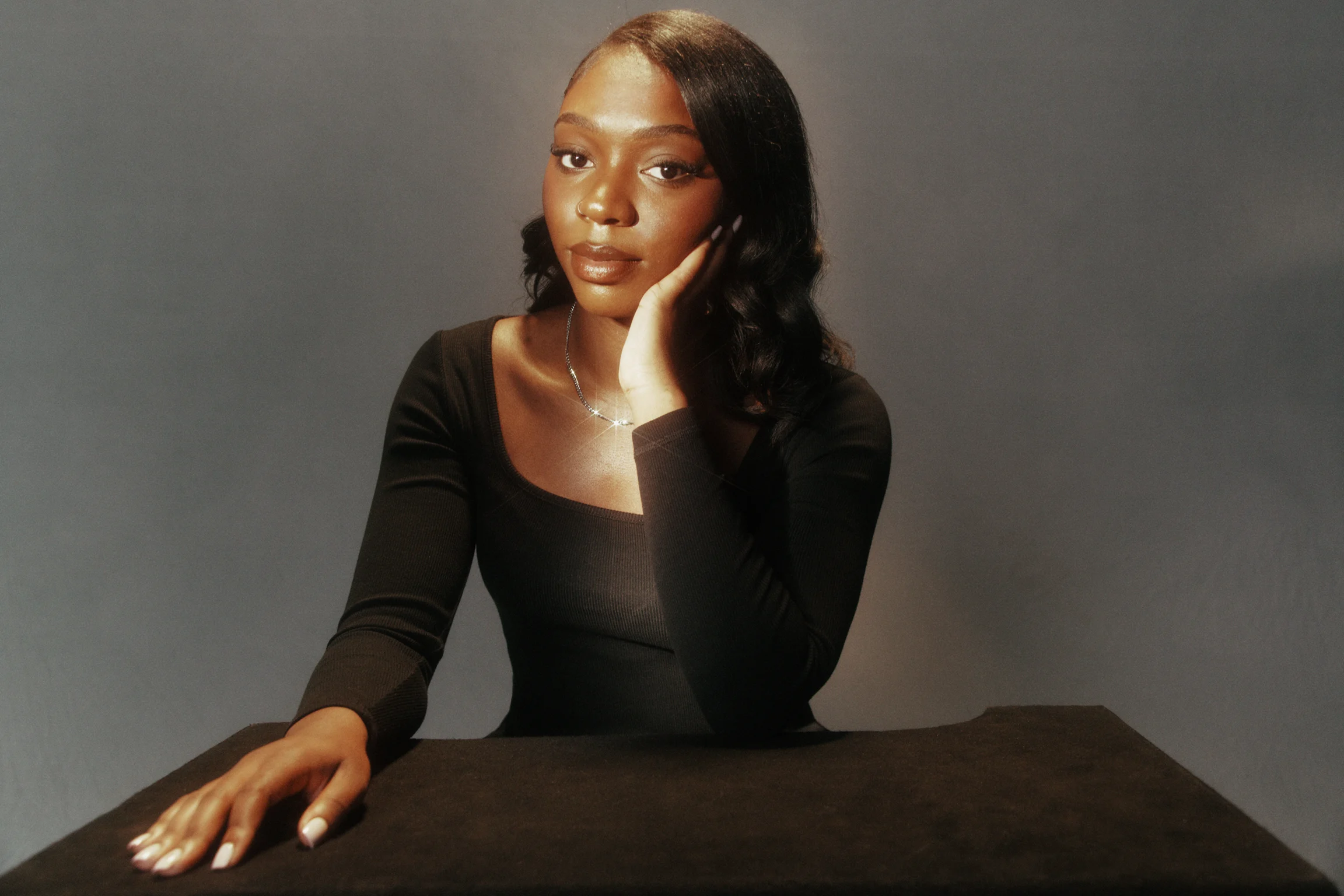
Roberta Hannah recalls starting her first semester at Columbia University feeling fraught with imposter syndrome, despite having been accepted into every college to which she applied. She thought that her classmates, who seemed to come from affluent, educated backgrounds, were better prepared than she was. “I remember logging onto Zoom classes and there would be kids sitting in front of full libraries, and just feeling that question of do I genuinely belong here?”
Growing up, Hannah was a reserved and studious child who brought home old textbooks at the end of the school year to further her studies. Her love of math and science blossomed in middle school, encouraged by her mother and older sister. Hannah’s mother was never able to go to college herself, so she pushed both her daughters to excel academically. Hannah’s older sister—her biggest role model—studied undergraduate chemistry: Hannah followed in her footsteps.
Hannah’s first-year schedule was packed: She had entered Columbia as a double major in biochemistry and African American Studies, intending to study medicinal fungi to develop affordable treatments for underserved communities. Not having a proper transition period was difficult. Hannah wanted to get to know her classmates and professors through face-to-face interactions and real office hours, not just through a Zoom screen. “A lot of things had to be very intentional, and you really had to seek out relationships, which benefited us in the end,” she says. Friendships helped her settle in.
Hear from Roberta Hannah
“Getting through college, it’s just given me this unwavering faith in myself.”
As she gets ready to graduate, Hannah has found her place. She realized that biochemistry was actually not for her, as it was more focused on theory than it was real-world impact. She explains, “A lot of my passions lied in the impact and not necessarily the science behind it, which is eventually what led me to the humanities. In my humanities classes, I realized that I loved having those discussions.”
After graduation, Hannah will be moving to Boston, Massachusetts, to work in the healthcare space. She’s eager to see the kind of impact she can make in her new environment. “Getting through college, it's just given me this unwavering faith in myself,” she explains. “It’s about really growing into that resiliency and trusting the fact that I'm in the places that I'm meant to be in, and always keeping that focus on being where I should be and not necessarily where I'm not.”
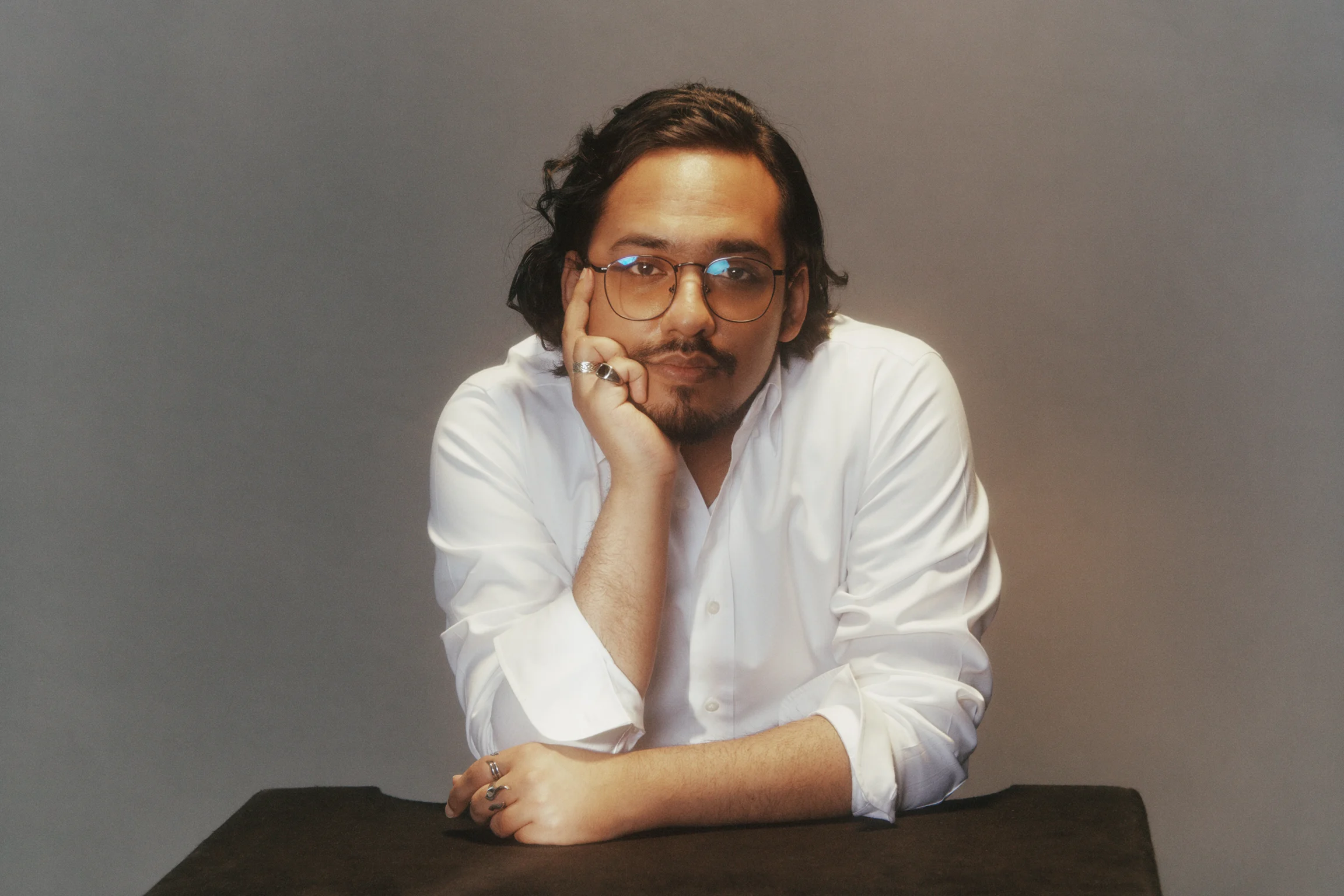
Huzaifah Islam-Khan was halfway through his architecture program at New York Institute of Technology when Covid-19 upended his path. Unable to afford to continue his studies, and unable to safely return to his home in Burma, the Burmese-Rohingya student found himself adrift in the early stages of lockdown.
During this period of uncertainty, Islam-Khan searched for clarity around his next steps. Everything was pointing toward philosophy. “I started looking into philosophy and reading. I started studying and I’m like, I really want to go deep into this because I do want to contribute to how people think. That’s really important.”
But starting “back at square one” wasn’t without its pressures. Islam-Khan felt as if he was two and a half years behind his peers. Determined to catch up, he completed an associate’s degree in philosophy at LaGuardia Community College in just one year and then transferred to Queens College to enroll in the combined BA/MA philosophy program.
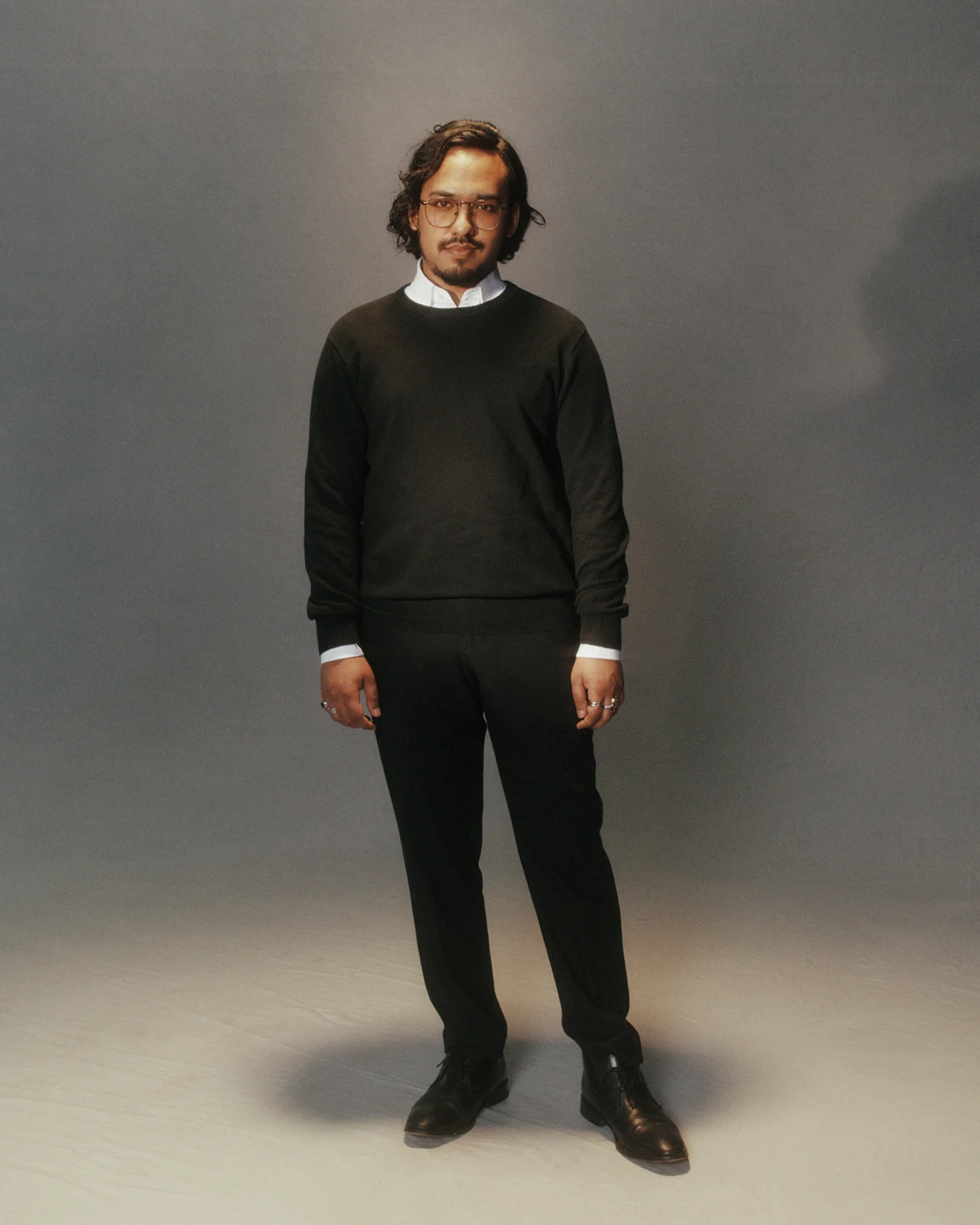
Hear from Huzaifah Islam-Khan
“I don’t think I was capable of that much, but here I am. I persevered through.”
Islam-Khan’s academic interests lie in Islamic tradition, tying back to his own Muslim identity. He says that as he was studying Western philosophers he realized that non-Western philosophy—specifically Islamic tradition—is often understudied and neglected. His goal is to use knowledge as power and bring ideas back home to Burma, even if he cannot physically return. Islam-Khan co-founded the Islamic Institute of Burma with a few friends in Burma to empower young Muslims. He says, “Everything I’ve learned here, I’ve tried to take bits of it and reflect that back in the society. I really want to bridge that gap, to make it more relevant in the Burmese context that ideas are really important in shaping a person, a community, a country, a nation.”
Islam-Khan will be returning to LaGuardia College—where he was a student only three years ago—to teach philosophy as an adjunct professor. He is excited to apply to PhD programs in Islamic studies in fall 2025. While he is facing similar uncertainty as he did back in 2020, Islam-Khan is embracing the most important lesson he’s learned throughout this experience. He reflects, “I don’t think I was capable of that much, but here I am. I persevered through. I trusted in what I could do and I think I really accomplished something.”
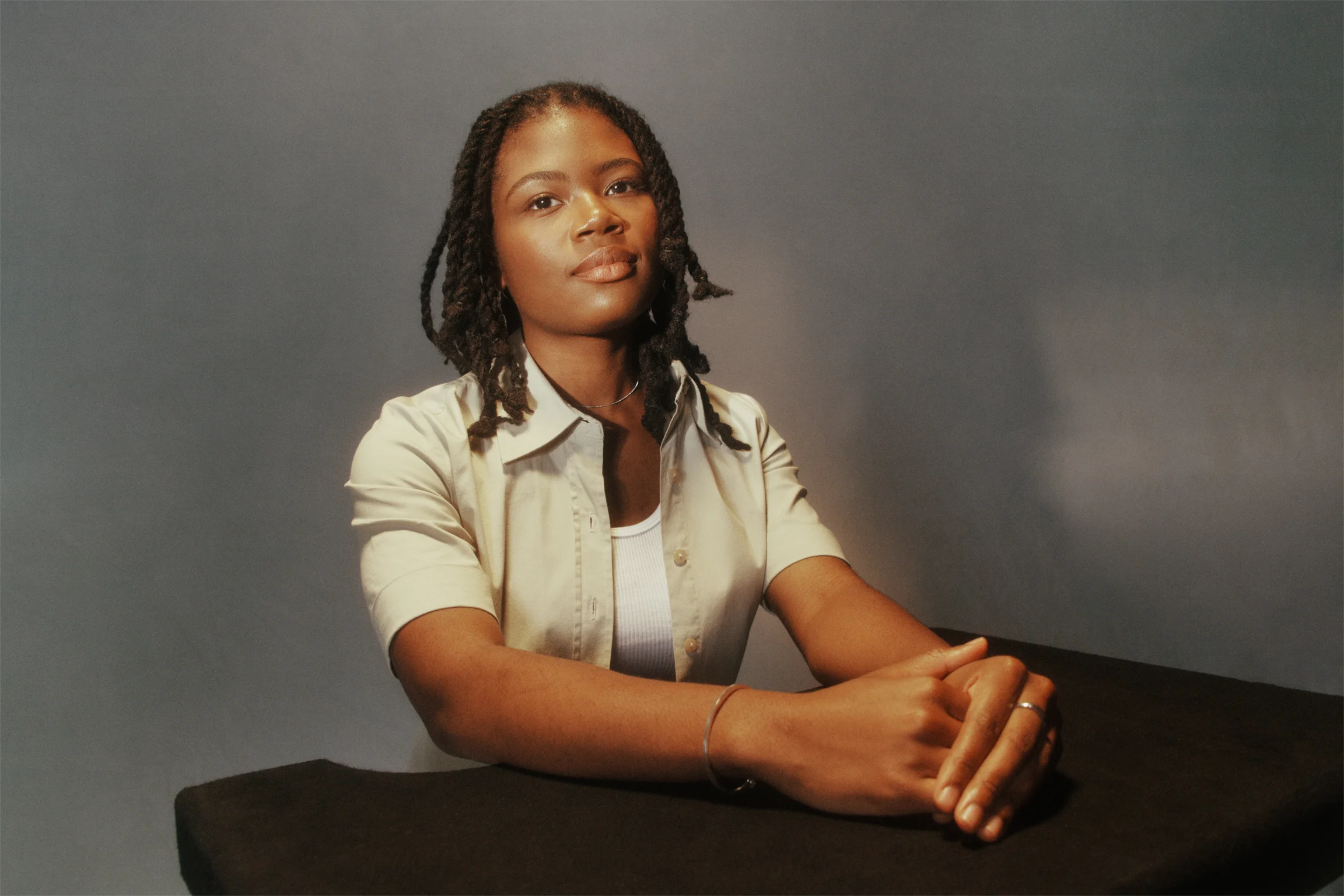
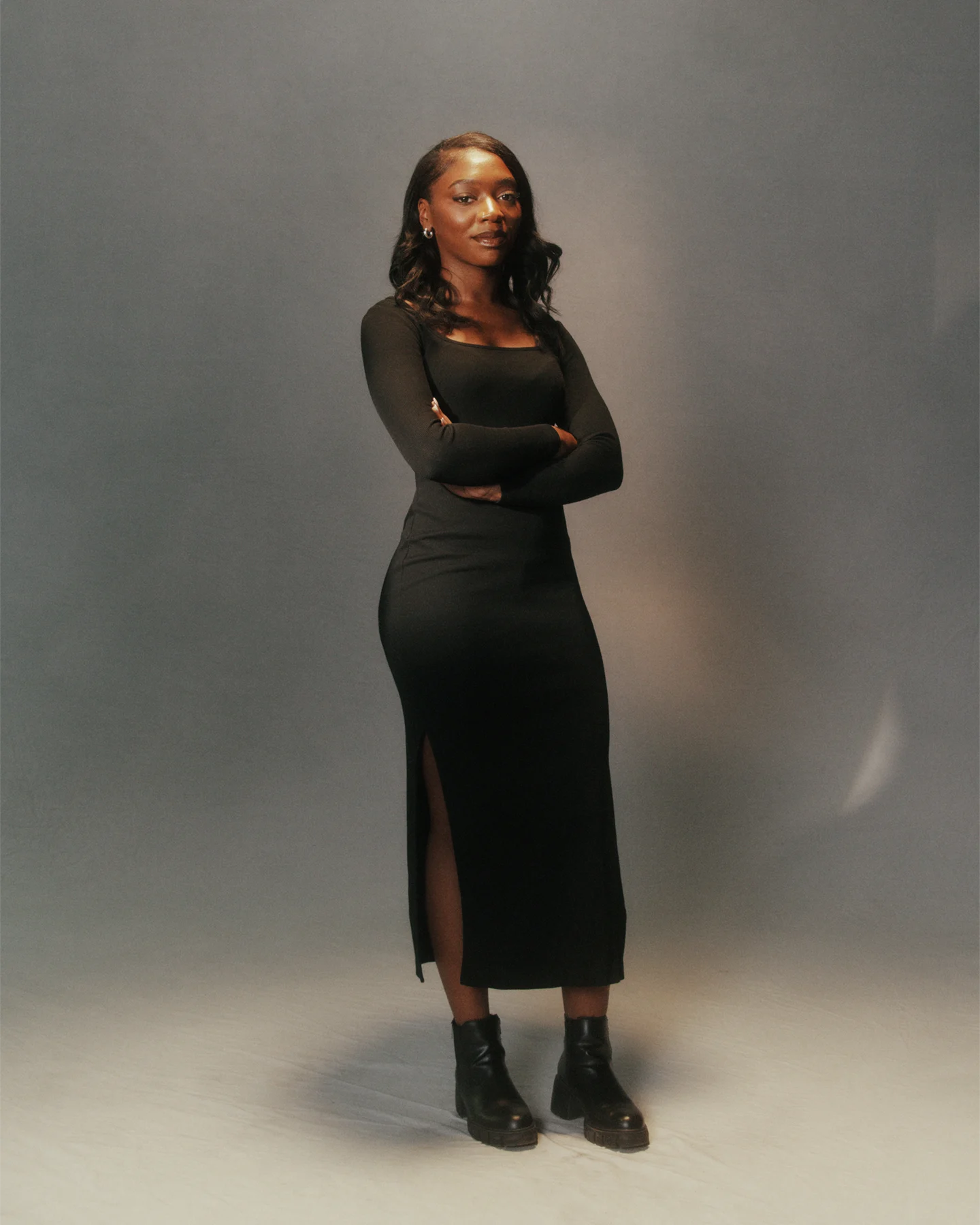
Mika Moaney’s bags were all packed, in the car, and ready for move-in when she received the email informing students that there would be no return to campus for the fall 2020 semester. For Moaney, the news was devastating. “It felt like the floor dropped out from under me,” she says. “I was just faced with this dream that I had been prioritizing and thinking about every day, and it was not coming into fruition in the way that I thought it would.”
When it had been time to tour prospective colleges, Moaney’s parents had urged her to pick one school to visit, a choice that would help forego the expensive cost of travel to tours of multiple schools. Moaney picked Barnard College: she remembers feeling like she belonged there, even during her initial visit. “I looked at lots of other historically women’s colleges and liberal arts institutions, but Barnard felt like where I was supposed to be.”
While the first few months were hard, Moaney credits the connections she made with other students and professors over Zoom with helping her find her footing in the virtual classroom. Her first semester, Moaney took an Introduction to African American History class with Professor Celia Naylor—Moaney’s first experience with a Black educator—and knew she was going to be okay. “Her teaching was really inspiring. I was like, if she can do this over Zoom and make me feel so excited to learn and so settled within my own cultural racial identity, then who knows what it'll be like on campus.”
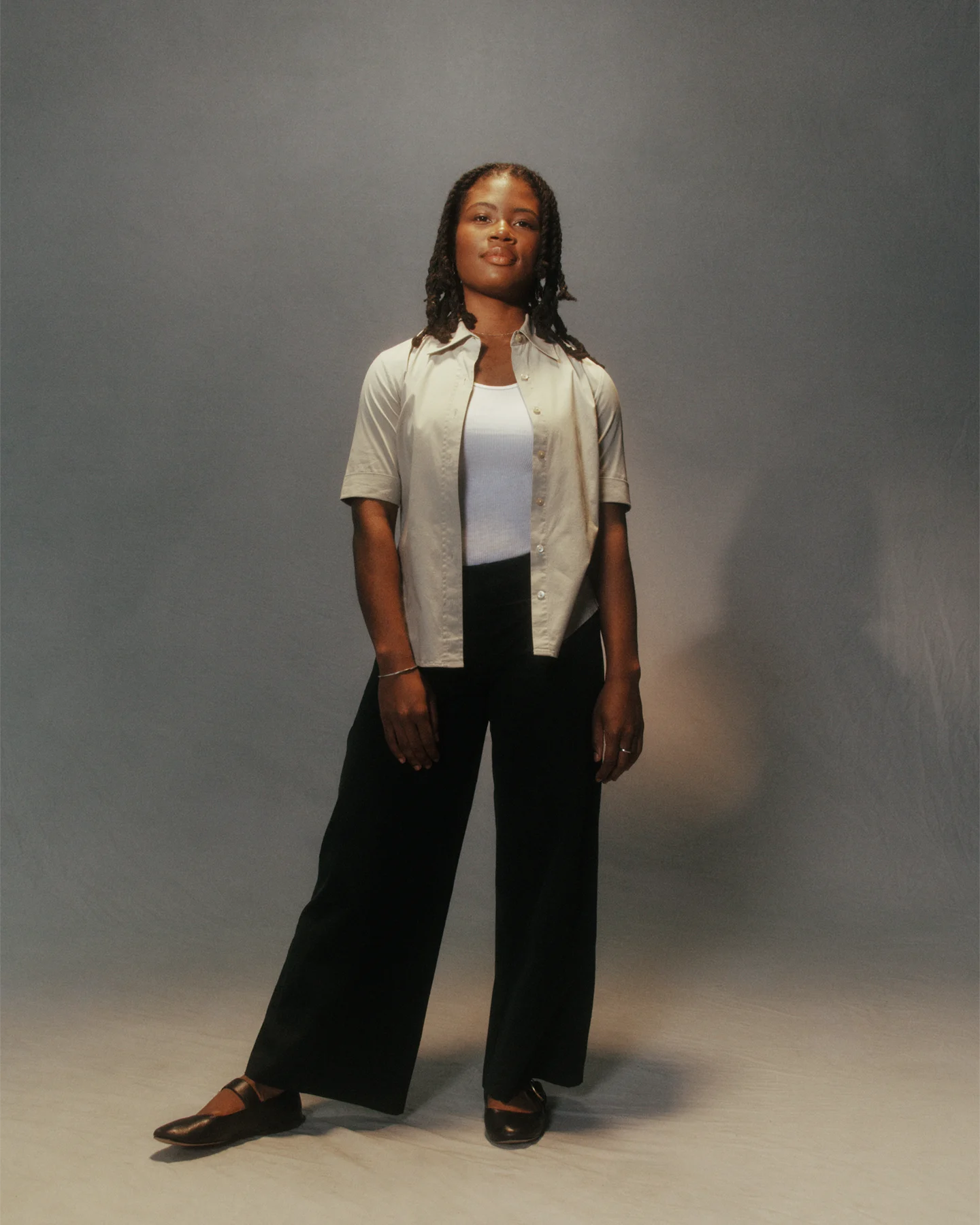
Hear from Mikayla “Mika” Moaney
“I realized the power of coming as I am into spaces and not trying to be perfect all the time.”
Moaney says she is most proud of the community she has cultivated at Barnard—both personally and academically. She met her best friend of four years. She plans to celebrate graduation at multiple commencement events and will be honored at the Lavender (LGBTQIA+), FLI (first-generation/low-income), and Black graduation ceremonies. She has found the close-knit group of Black girlfriends she has always wanted, and through her research centered around maternal health, she has learned how to deeply listen to the experiences of Black birthing women and their support systems.
What comes after graduation? Moaney is excited to explore who she is outside of being a student. While she finds the lack of structure both freeing and daunting, she said she is ready for this next chapter. “I realized the power of coming as I am into spaces and not trying to be perfect all the time. I just think about how I can use all the things that I’ve learned in the past four years and continue to learn and grow.”
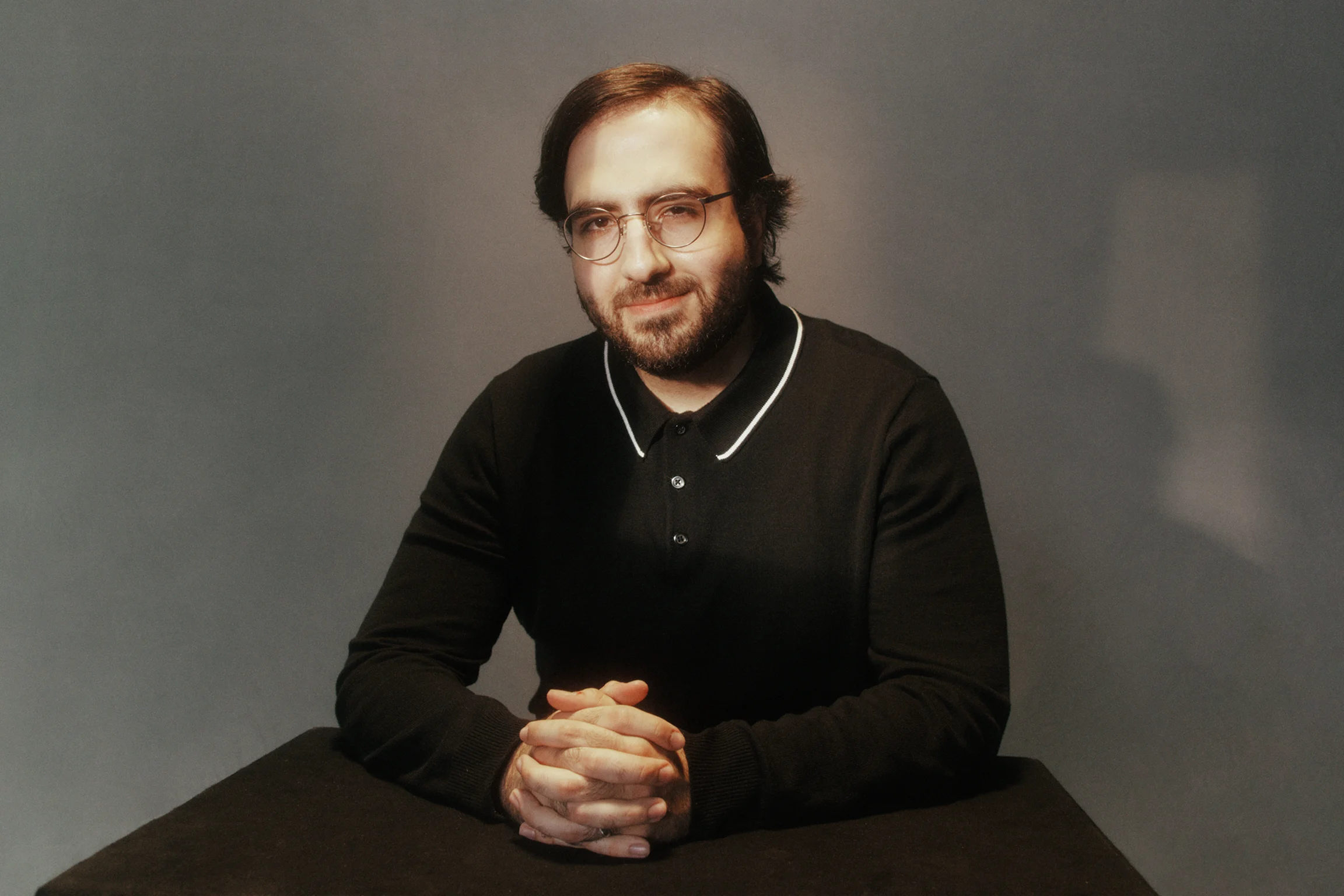
There’s a VHS tape of Ahmed Tabbakh as a toddler telling his parents in Arabic that he wants to be a muhami ( محامي), or lawyer. Born and raised in a Lebanese-immigrant household in Queens, New York, Tabbakh grew up with the expectation that he would excel academically, go to college, and become a successful lawyer. “I didn’t really know what other career field I could have. I’d been saying the word ‘lawyer’ for so many years at that point,” says Tabbakh.
Even though he intended to study law, Tabbakh had always loved history. His early interest was nurtured through different media—books, historical TV shows, and even video games. He credits the immersive gaming experience of playing pirate during the so-called “Golden Age of Piracy” with getting him to think more deeply about the people, literature, and art of the 18th century.
Covid-19 disrupted not just in-person classes, but also course registration and advisement. When Tabbakh started his first semester at Hunter College, the pre-law and philosophy courses he took did not capture his interest. He acknowledges that although online learning didn’t work for everyone, he managed to navigate the fully remote period well; it allowed him to focus deeply on the subjects in which he was most interested.
The period of hybrid learning that followed was more challenging: a Covid case would mean class was canceled last minute. Tabbakh remembers “playing a game of trying to figure out whether or not class was online today.” When he was a sophomore in spring 2022, he remembers the campus was full of people and things finally getting back to normal.
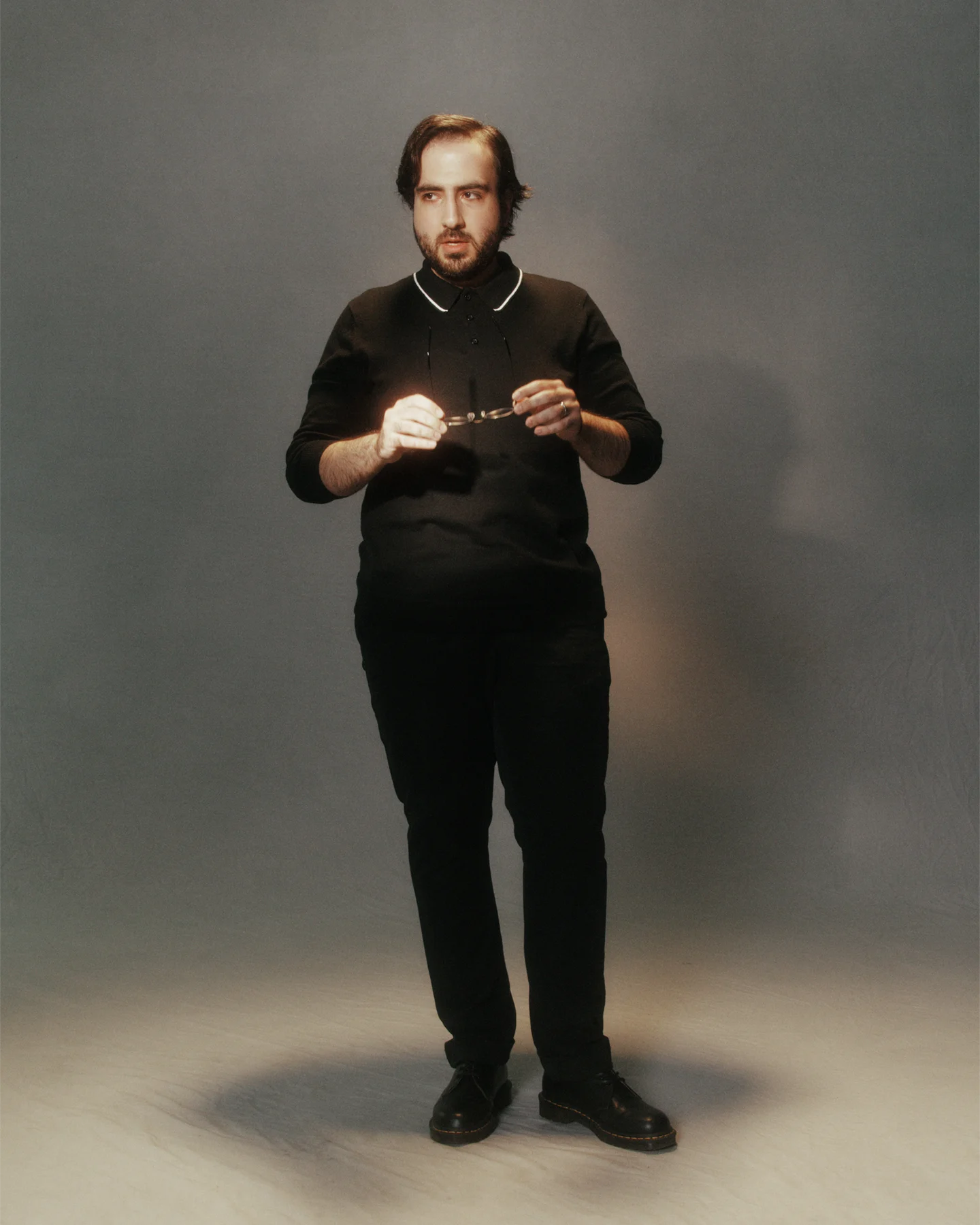
Hear from Ahmed Tabbakh
“Learning that the path in academia is just so fluid taught me to just have faith ... a path will open up.”
It wasn’t until Tabbakh attended a lecture by Hunter College professor Benjamin Hett that he realized a career in history could be possible. Hett’s personal story of being a young attorney who made the switch from law to history resonated with Tabbakh. That anecdote, coupled with steady encouragement from Tabbakh’s now-fiancée, gave Tabbakh the final push to pursue a career in academia, opening doors to instrumental fellowships like MMUF and to mentors that have shaped his academic journey.
Tabbakh’s parents were supportive of his decision, but there was some initial confusion. There is no direct translation of the word “historian” in Lebanese Arabic. Tabbakh found himself explaining to relatives that while he was a scholar, he was not clergyman or a secular academic, as the language would be interpreted. “We got over the hump,” Tabbakh says, and his family came to understand his chosen pursuit.
Tabbakh will be starting a PhD program at Columbia University in the fall. He is eager to see how his interests in early modern European history will develop and where his research will take his career—something he is also trying not to worry too much about. He believes he is making the right choice in following his passion. “The most nerve-wracking part is still: where is it going to go? Learning that the path in academia is just so fluid taught me to just have faith that if I really like doing my work and I just keep leveraging my work as much as possible, a path will open up.”