Mississippi Heritage Trust
Field Notes from the Mississippi Freedom Houses
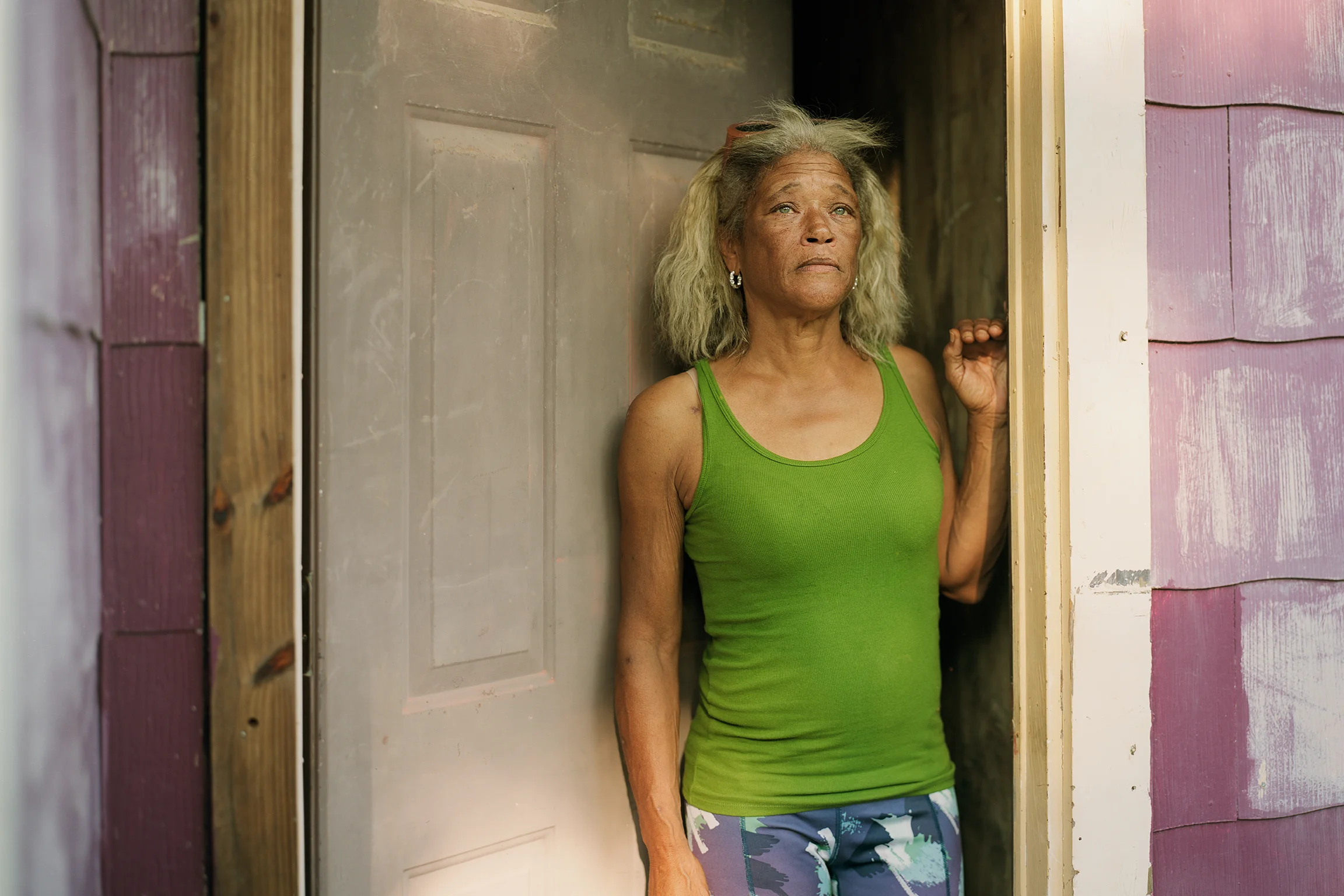
It was 1962, in Gulfport, Mississippi. The guards, all Black union volunteers from the International Longshoremen’s Association, were there to protect her father, Dr. Felix Dunn, along with his wife, and their three small children, including Deidra. He was not a politician, or a national name, but a community physician.
Next to the family’s residence stood the small doctor’s office, in which he would practice for 50 years. Its teal walls, since faded and painted purple, could be seen down the street. In the eyes of those living in the surrounding Black neighborhoods who depended on it for care, it had become a nexus for the community. That’s also what made it a target.
Several white supremacist groups had shot around the office and the house. Occasionally, fires would be set. Then, a firebomb was thrown through the office window, terrifying the family. That was when the plan was devised: The union workers would gather daily at 7:00 p.m. with their rifles to protect the family from harm. Once Dr. Dunn turned on his bedroom light in the morning, that was the guards’ signal to head home to sleep—ahead of their next shift at the docks unpacking and loading cargos of bananas and pineapples. Later, the doctor would emerge from his home and walk 20 feet to his office, where the morning’s patients would be waiting. And another day would begin.
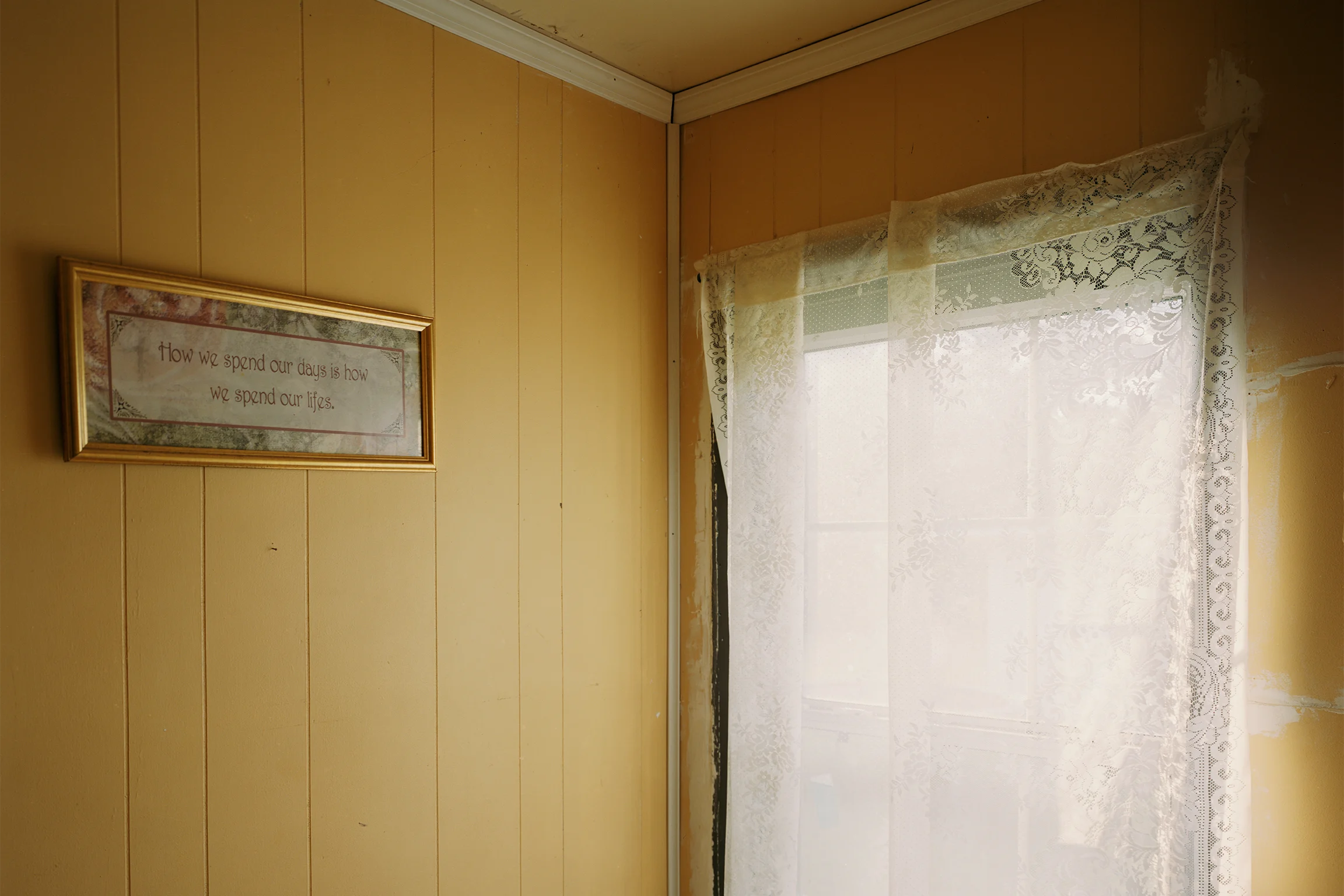
“He was a physician and a doctor for the community, but he was also a father and a leader,” explains Deidra, now 58 years old, standing under the eaves of the original doctor’s office which still stands, next to the original house where she still lives.
“All the women that didn't have fathers for their sons, he was the one,” she adds.
As a child, Dr. Dunn hadn’t known his own father well, she recalls. When he was three, his mother died of pneumonia, so he was sent to his aunt and raised, amid a Jim Crow segregated South, in the historic Black neighborhoods in Gulfport and Biloxi, Mississippi. After securing football and debate team scholarships, Dr. Dunn studied at Alcorn State University (today, the infirmary on campus bears his name) before going on to complete his medical education at Meharry Medical College in Tennessee. When he graduated, Dr. Dunn was resolute. He wanted to go home to Gulfport and become one of the first Black doctors in the county.
“He came back to his community,” says Dunn-Pleasant. “People were like, why don’t you stay there? You've got money. You can move anywhere you want to go. But we never moved.”
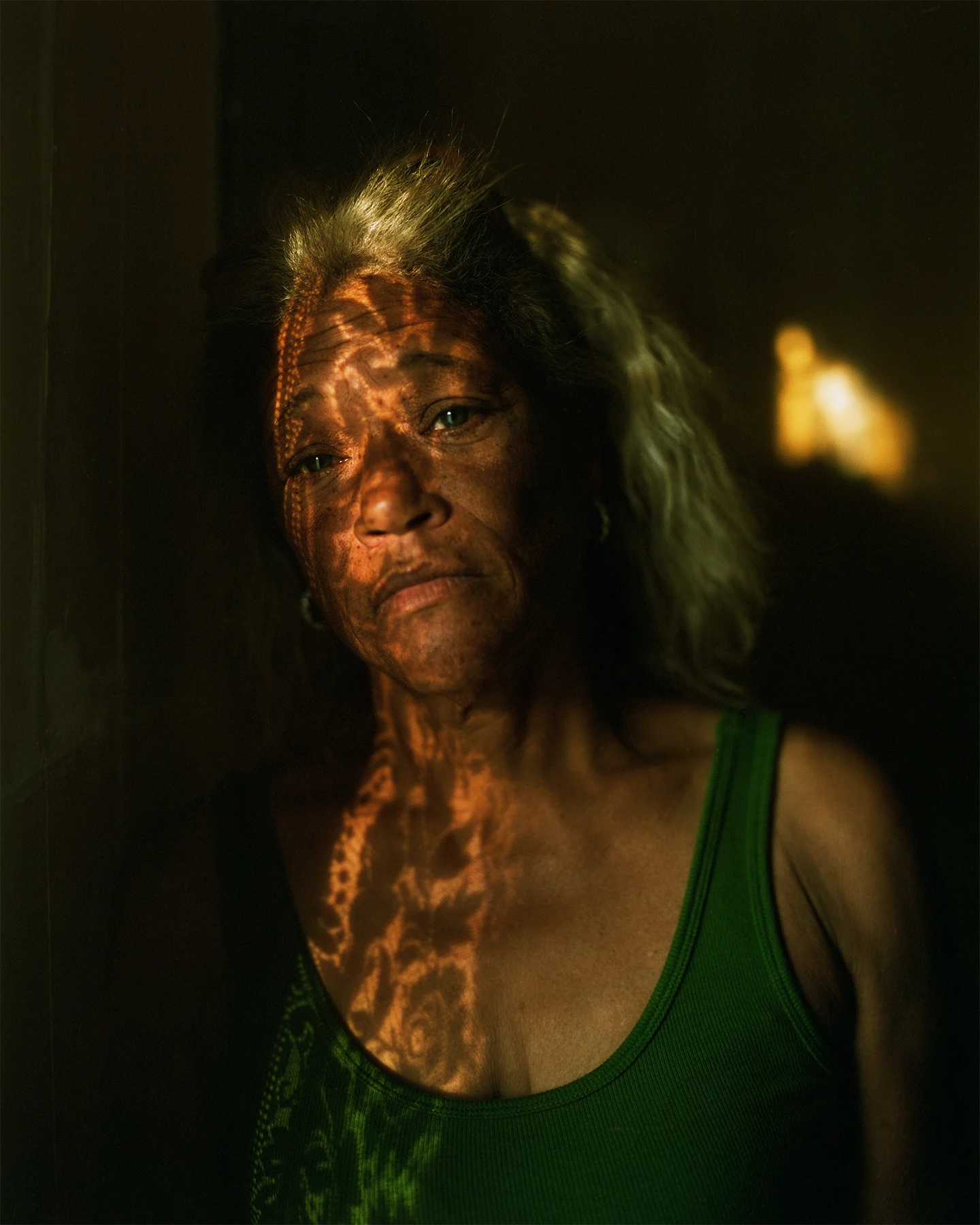
Soon after graduating, he met Dunn-Pleasant’s mother, Sara. Together, they built a house and had three children. A year after Deidra was born, Dr. Dunn was able to build another house next door, and, although segregation denied him access to the American Medical Association, they moved across the way and repurposed the first house as a dedicated clinic. The new doctor’s office became a hub of activity. Dr. Dunn fought for access to polio shots for his patients, tended to the elderly, and, with hospitals often inaccessible for Black women, delivered more than 4,000 babies over his 49-year career, alongside his midwife, Miss King, according to the family.
“People ’round here still say, ‘Oh Lord, I miss your Daddy because if there was something wrong with you, he was going to find out what it is. He was going to find out what's wrong with you,’” Dunn-Pleasant says.
Dr. Dunn’s dedication to his patients extended to the larger fight to overturn racial segregation and enforce voting rights. He was a co-organizer of the Biloxi and Gulfport Wade-ins, which challenged segregation of area beaches. He also later became president of the Gulfport Branch of the National Association for the Advancement of Colored People (NAACP), hosting visits from his fellow Alcorn alums and civil rights activists Charles and Medgar Evers. Medgar, the NAACP’s first field officer in Mississippi, was later assassinated in his own home in 1963.
Galvanized by the death of his friend, in March 1965, Dr. Dunn headed to the civil rights movement’s marches in Selma, Alabama.
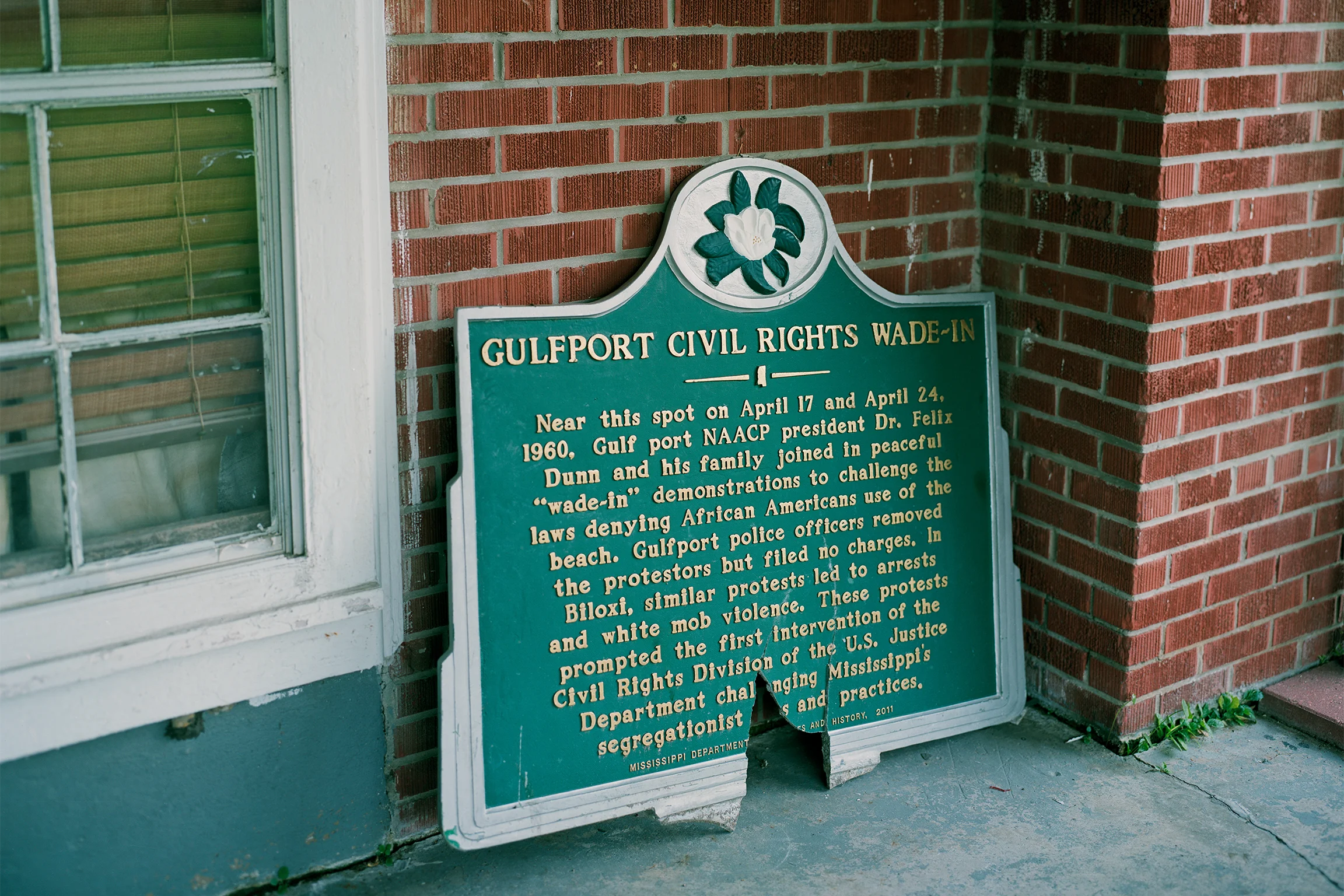
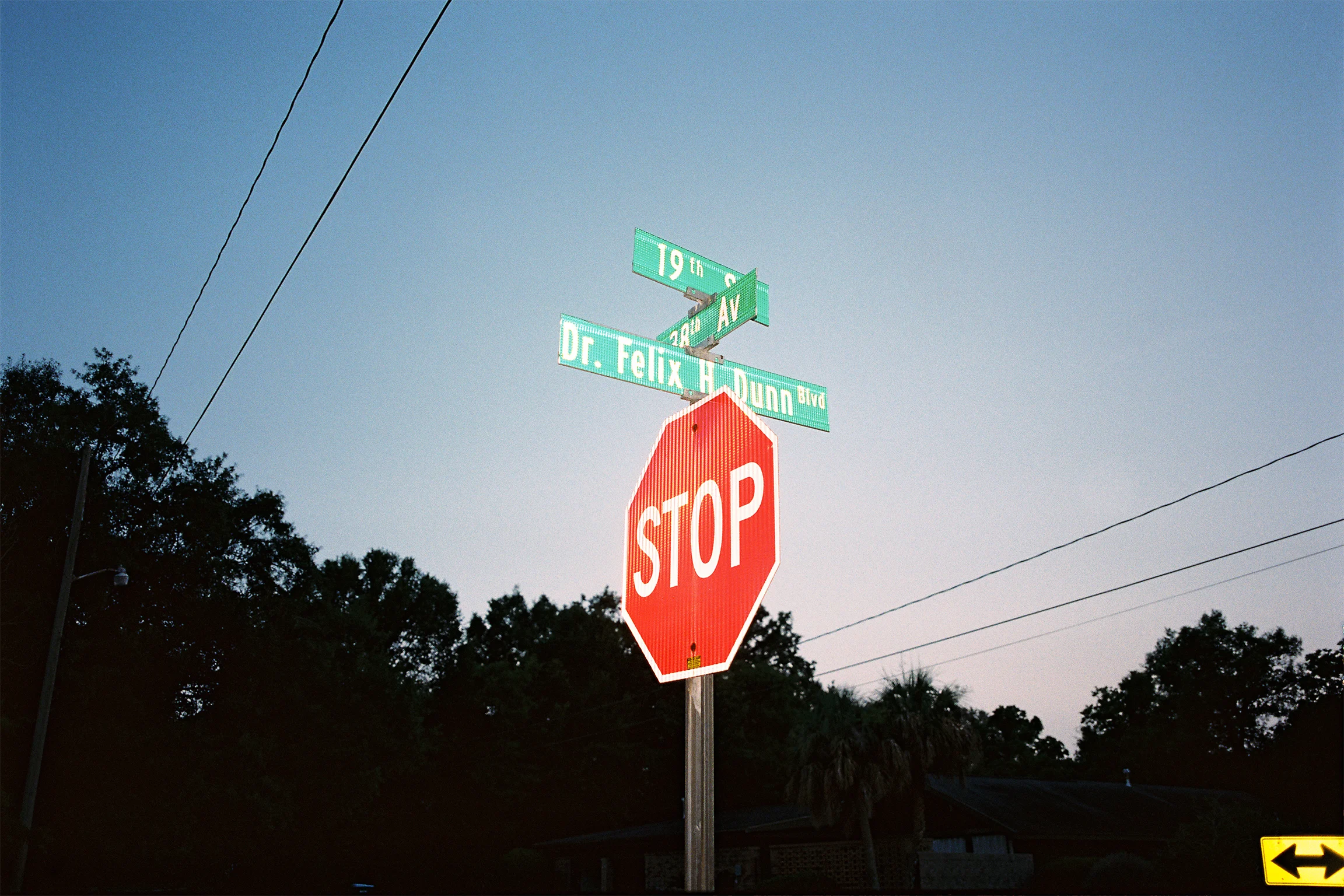
“He went down there because they were soliciting Black doctors,” Dunn-Pleasant says. “They knew things were going to happen.”
When peaceful protestors were attacked by state troopers and local law enforcement on the Edmund Pettus Bridge, a day that came to be known as "Bloody Sunday," Dr. Dunn set to work mending broken arms and sewing up wounds caused by fists and billy clubs.
After Selma, the children were banned from picking up the telephone.
“The phone would ring and someone would say, ‘I'm going to kill your Daddy.’ He didn’t want us to hear that,” says Dunn-Pleasant. “In the Black community, I think they tried to have us feeling as normal as they could. They tried to keep us sheltered from it.” That’s why, to Deidra, despite his increasing prominence in Gulfport, Dr. Dunn was simply her beloved father.
Her voice grows quiet. “Let me tell you something. He just saw, I don't know what he saw, but he loved me,” she says.
Dunn-Pleasant’s childhood playroom was the waiting room, which smelled like penicillin, an acidic tang that permeated the air as her father tended to his patients. To keep her occupied, she was given an orange and a syringe and told to pretend she was administering vaccines.


After he closed his office at 6:00 p.m., Dr. Dunn would take his youngest daughter on house calls, often to patients who were bedbound.
“He’d say come on, let's go.” says Dunn-Pleasant.
He was protective of his patients, no matter their circumstances, she recalls.
“I remember I went with him to a lady's house, and it was hot, hot, hot, and she had roaches everywhere. When I got in there, I flinched,” she says. “My Daddy took care of her, and when we got in the car, he told me, ‘Don't you ever, as long as you live, make somebody feel that they're dirty or beneath you.’ He said, ‘When you go with me, you don't act like anything bother you. You understand me?’”
Even in a society in which Black people were marginalized, Deidra’s father developed a reputation for being someone you could hear before he entered a room. His loudness felt like an act of defiance in a world that wanted him to be silent, says Dunn-Pleasant.
“He was a heavy talker. He didn't know how to whisper. He had a heavy voice. He even walked heavy,” she says.
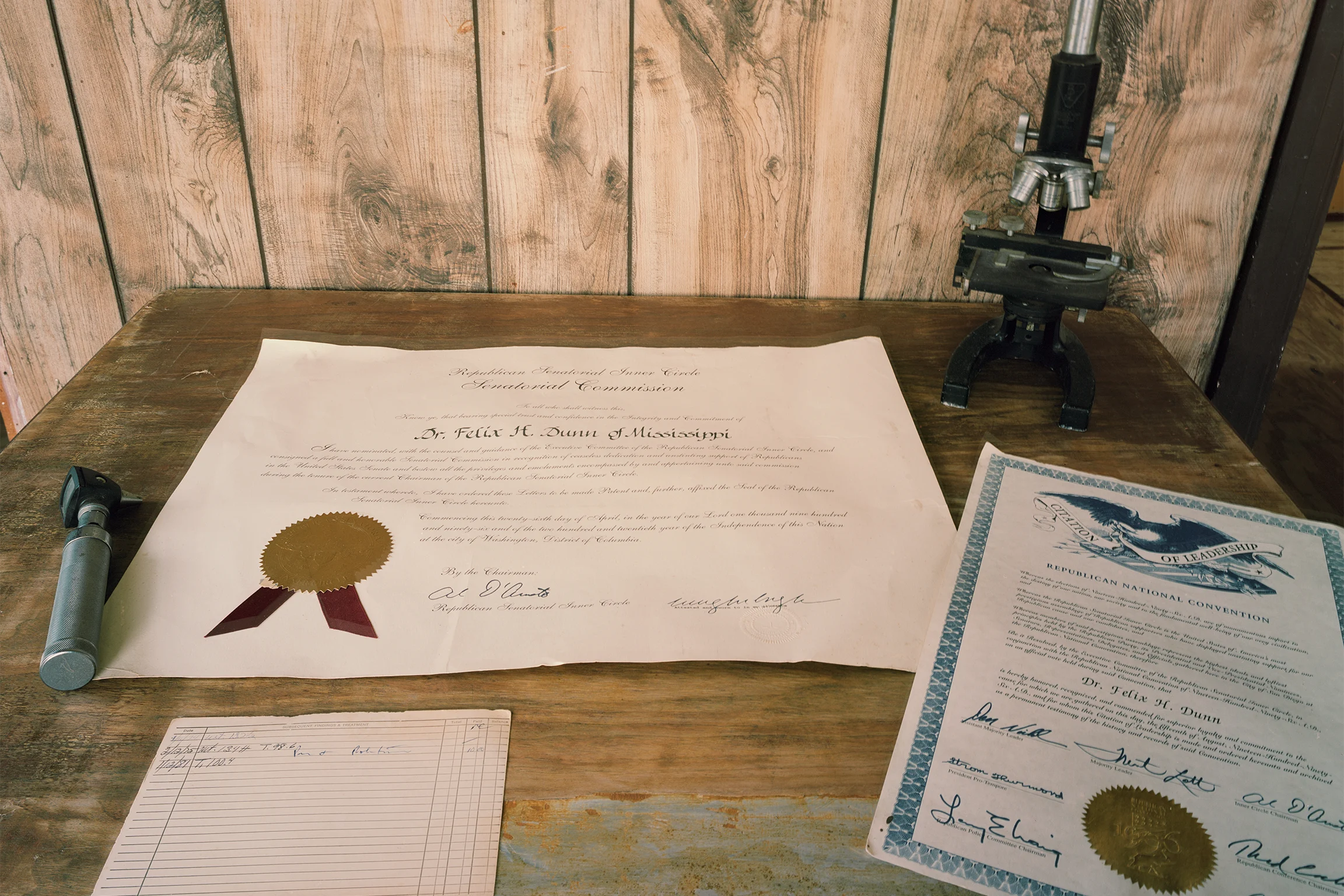
Though it still contains Dr. Dunn’s diploma, scales and stethoscope, the doctor’s office, which received a state historical marker in 2011 in honor of its pivotal role in the civil rights movement, is silent now.
Yet, about 15 to 20 times over the years, patients from the past have visited.
“I have people still come here and say, ‘My Mama told me I was born in the third room to the right. Can I go in there and see?’ I say, sure. They go in there and are like, ‘Oh, this is where I was born!’” she says.
Despite the building’s outsized impact on the people of Gulfport, there’s one thing they always note, Dunn-Pleasant says.
“They're like, ‘Oh my god, this is where? It's so small!’ That's what they always say. ‘It's so small.’”
Grant insight
Mississippi Heritage Trust
Dr. Felix Dunn’s house has received historical preservation assistance through the Mississippi Freedom Houses Project of the Mississippi Heritage Trust, which received a grant through The Monuments Project, a Presidential Initiative, in 2023.
View grant details