June 19, 2026
New jazz fellowship honors long-time musicians who often struggle financially
In January of 2025, 86-year-old Charles McPherson—a celebrated bebop saxophonist with connections to the origins of modern jazz—was half asleep, getting ready for bed, when he fell, hitting his jaw on the hardwood floor of his bedroom. He was left with shattered bones in his face and an injury to his jaw that required extensive reconstructive surgery. He wasn’t able to make any music for nearly a month afterwards. It was the first time in 73 years that he hadn’t played every day.
About ten months later, McPherson got word from Joe Petrucelli, executive director of the Jazz Foundation of America, that he had been selected as a Jazz Legacies Fellow. He would receive $100,000. This was an unrestricted award, meaning that McPherson could use the money in whatever way he wished. It was an honor that recognized a lifetime of contribution to the art form.
“I’m not 50 anymore. I am winding down,” McPherson said. “To have help like that, at a time when you need it the most, is so important and appreciated.”
It wasn’t the only surprise. After recovering from his surgeries, McPherson had observed that, to his surprise, he was playing as well as ever. With plates in his face wired shut through surgery, his embouchure—or the way a player applies their mouth to a wind instrument—was satisfyingly strong.
“Maybe it’s even better,” McPherson said, laughing.
His accident gave him a new appreciation—both for his ability to play and the passion that keeps him going.
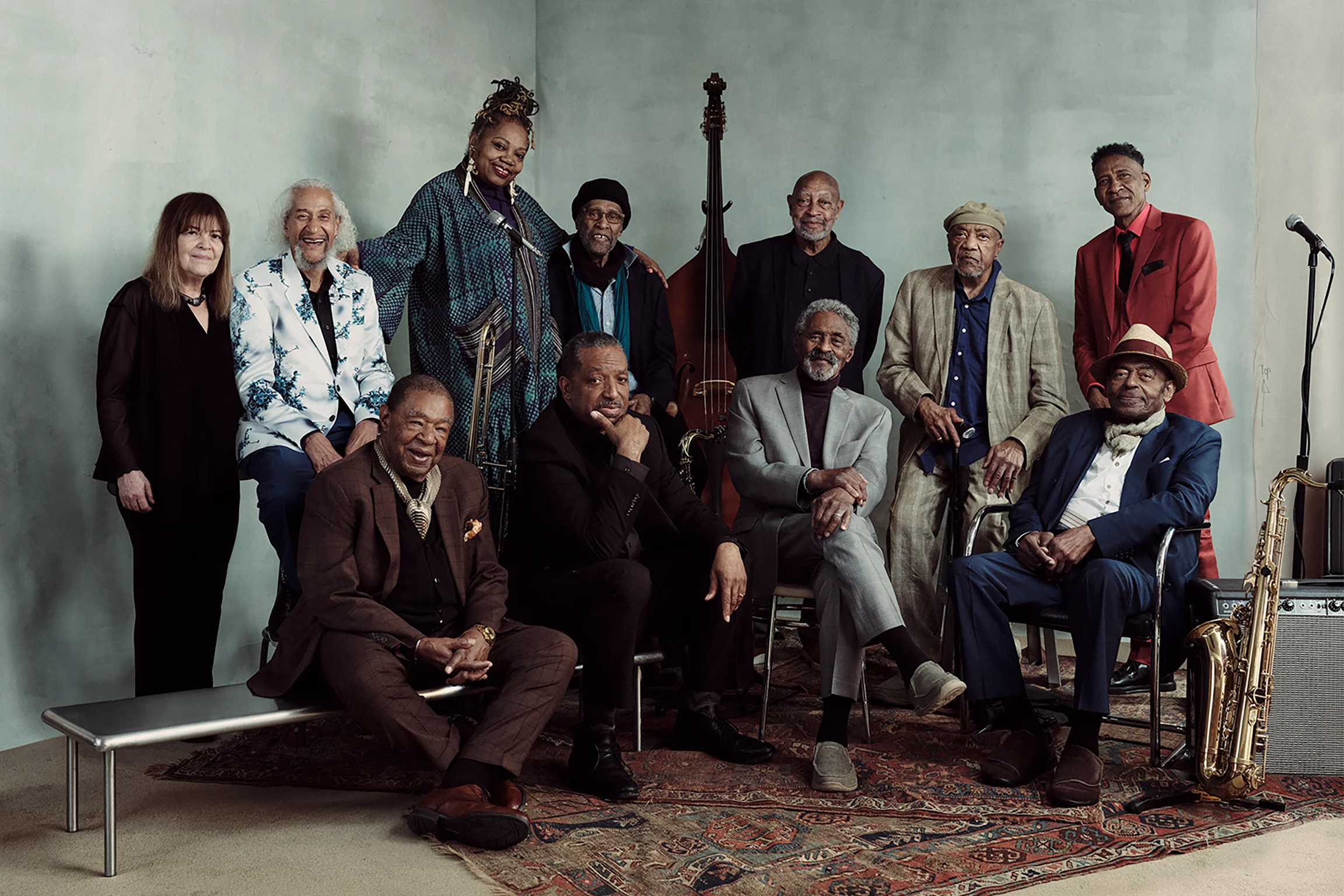
It’s this kind of dogged adaptability, Petrucelli said, that distinguishes the 12 most recent Jazz Legacies Fellows, whose work has played a pivotal role in shaping and strengthening the artform that is American jazz.
“There’s an evergreen quality,” Petrucelli added. “Their music, their style, what they're saying, what they're presenting all has this element of timelessness to it.”
In May, some of the new fellows gathered in New York to trade stories and share secrets. Here’s what they told us about what it takes to keep learning and continue creating.
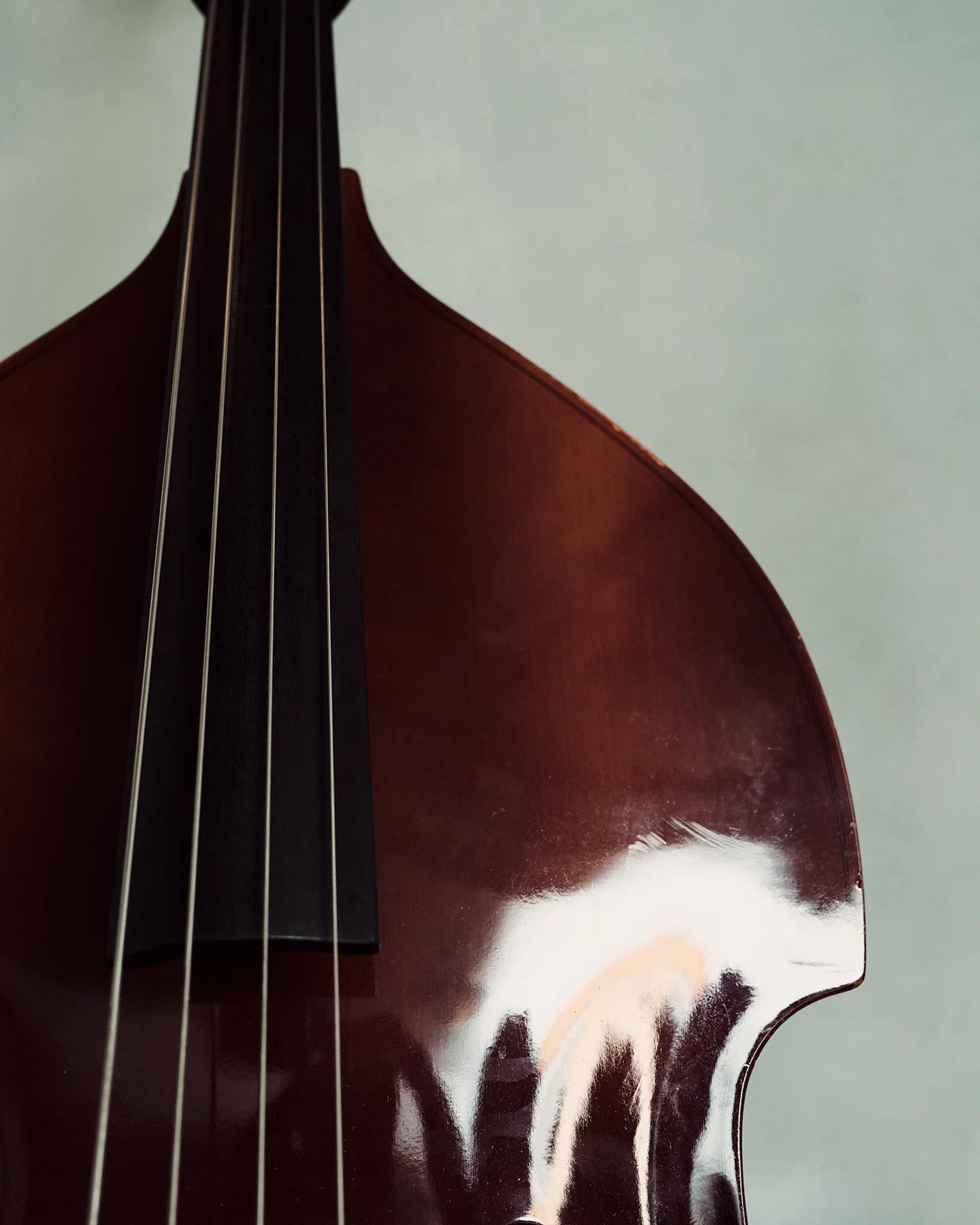
Whether it's good or bad, what has changed about your practice as you’ve gotten later in your career?
Kenny Barron, 82, Piano (Brooklyn, NY): As any young person, you're about impressing people. You know? You want play everything all the time. And that's not it. As you get older, you learn that you don't have to do that. You learn that silence or space is a part of the music. You don’t have to show off.
William Cepeda, 65, Trombone (Loiza, PR): When you enrich yourself with a lot of different experiences ... they polish inside. You don't even know that, but they’re polishing! Then, when you come out performing or composing, they come out ... Sometimes you do things that you didn’t even know you could do.
Marilyn Crispell, 78, Piano (Woodstock, NY): I feel much more comfortable now. I feel more like I've come into my own, and that I trust myself in different playing situations that might have intimidated me before. I feel like I bring my own voice to things.
Dee Alexander, 70, Vocals (Chicago, IL): From the beginning of my career to now, I've evolved to be more humble and to be grateful, especially with this award and being recognized—and to standing shoulder to shoulder with such wonderful artists who I've loved and revered all my life.
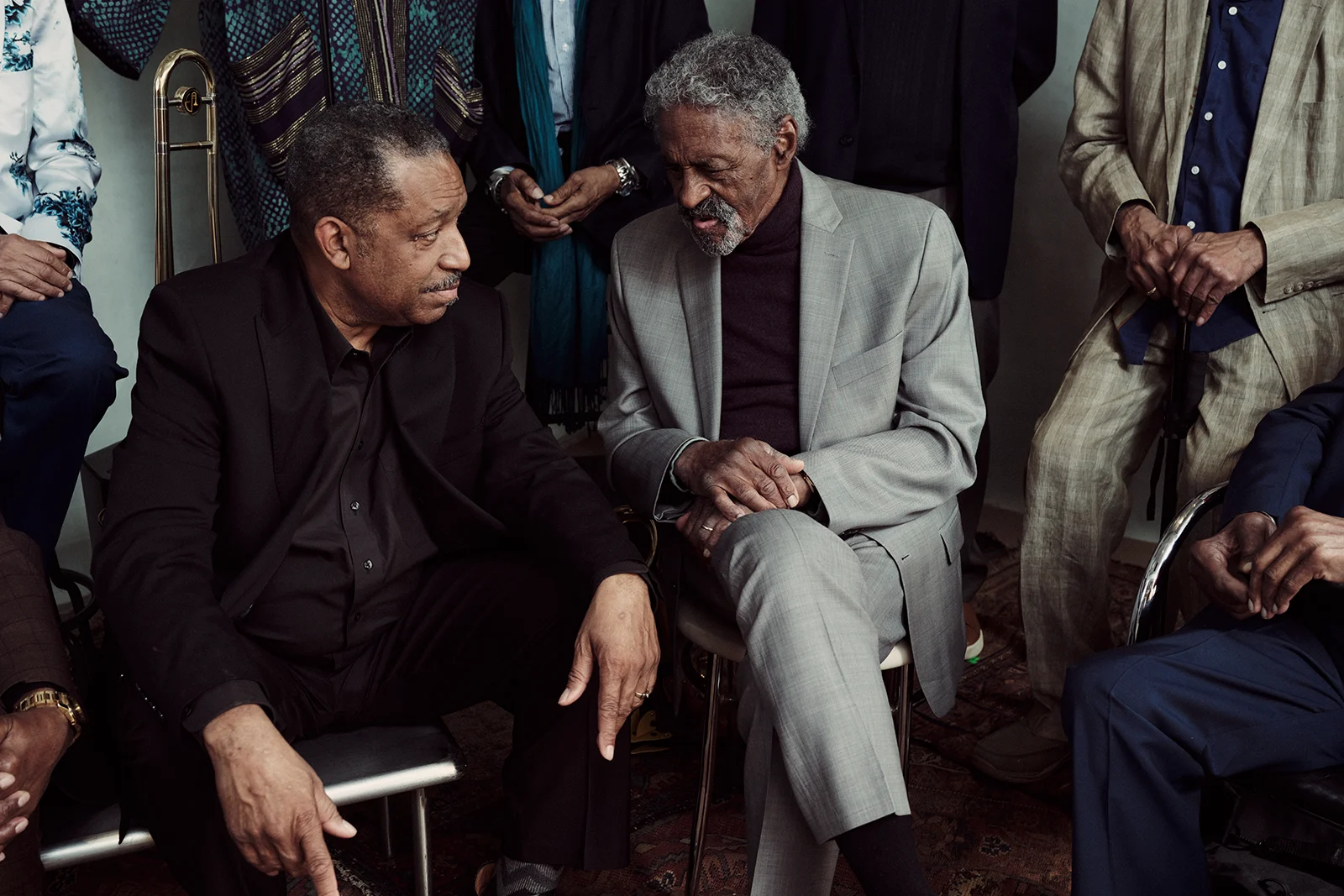
What are the ways you’ve tried to remain current, active, or relevant?
KB: I still tour a lot. Last week, I was in Korea and China.
WC: I will never end learning or composing. Right now, I'm working with some Indigenous Puerto Rican music—I always like to get the traditions and get them to the next level. Because I don't like to copy what somebody did already. This is our moment. We have to leave our legacy for other people. That's the way Beethoven did it, the way Dizzy did it, that’s the way Thelonious did it. So now, it's my time.
MC: I’m doing a lot of playing, some writing, still traveling ... just did a week at the Village Vanguard and we played a lot of Coltrane songs because it's the 100-year anniversary of his birth. And that was fantastic.
DA: I am working with so many different organizations and groups. Everything is different and it just keeps my brain on point, you know? It just keeps me very active.
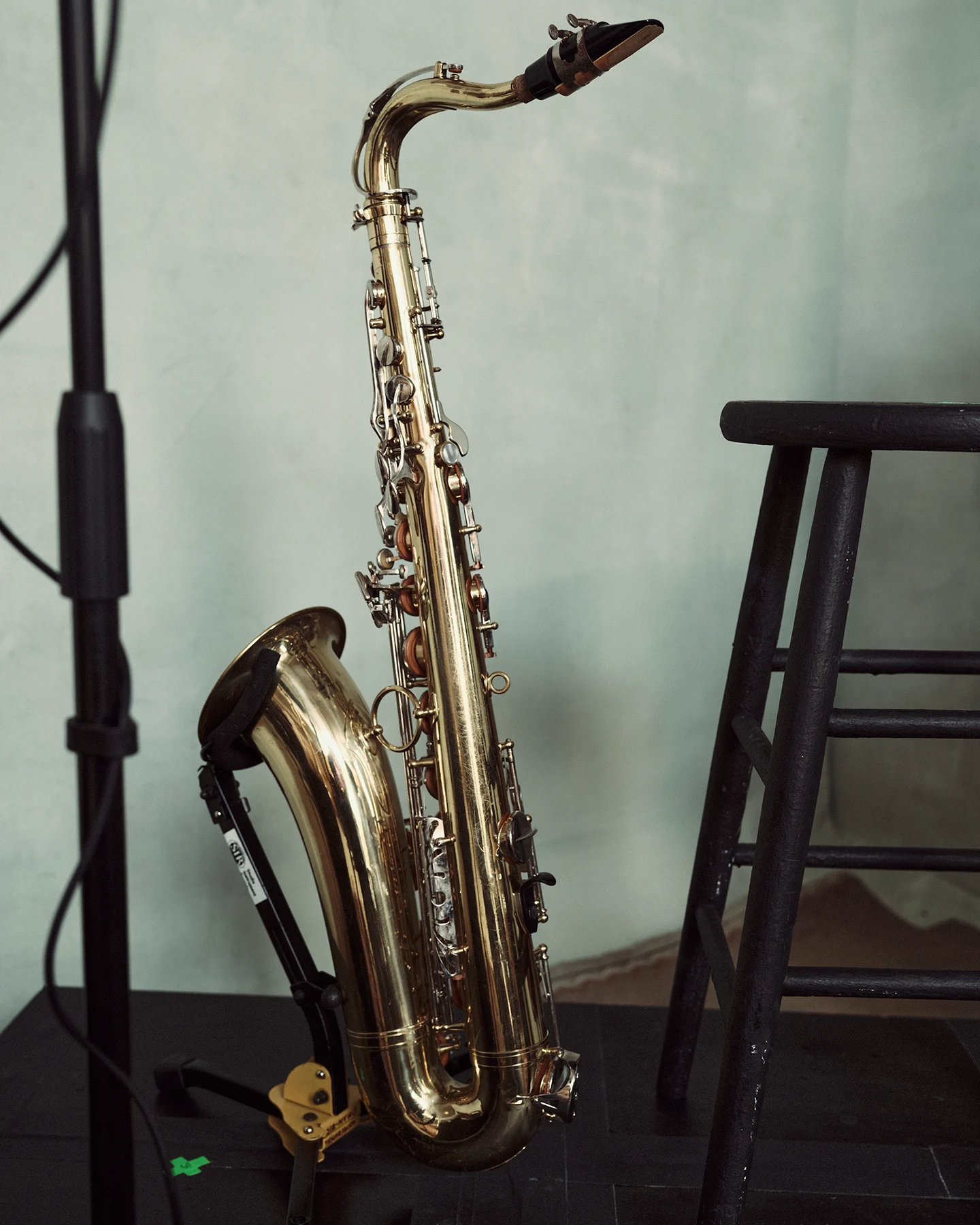
What about the next generation? What are you seeing or learning from younger artists today?
KB: They've got great ideas and they're very, very diligent, and they are serious about the music, you know? So, I think the music is in good hands.
WC: The elders left a path....the new generation has to understand that. Those people that were there before—they worked hard, they fought [for us] to be able to have something to go through.
MC: I think there are a tremendous number of musicians and a lot more women musicians than when I first came onto the scene. There was hardly anybody doing the kind of music I was doing.
DA: The future is bright, especially in Chicago. It's just been a gas just to see how they're growing into their own—their own sound, their lives.
Grant insight
Jazz Foundation of America, Inc.
Jazz Foundation of America, Inc., was awarded $15,000,000 in December 2023 through the Arts & Culture grantmaking area.
View grant details