Big Bend Conservation Alliance
In Far West Texas, a Sacred Burial Site is Reclaimed Through Partnership and Perseverance
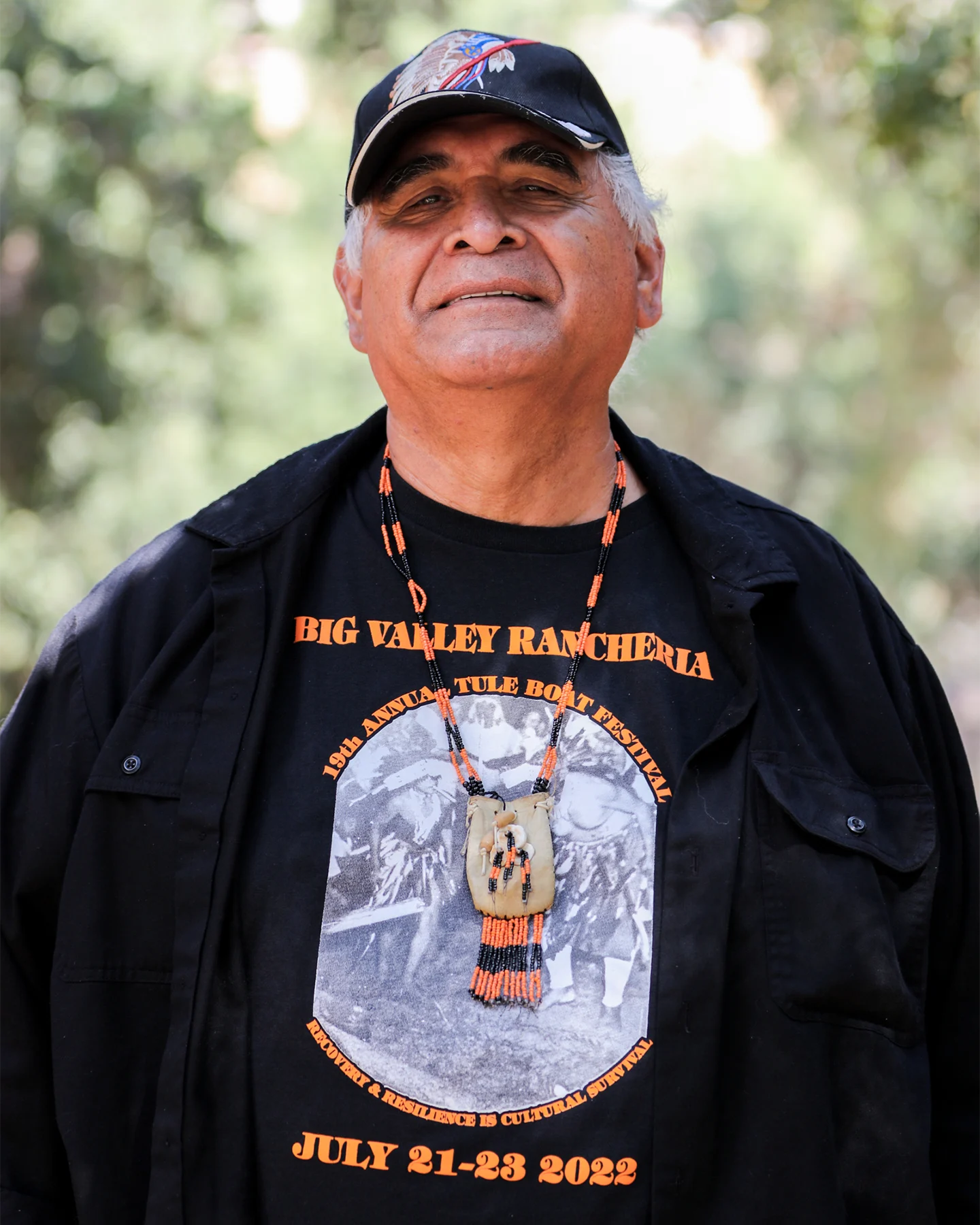
Ron Montez Sr.’s office, which sits in a one-story building near the sacred waters of Clear Lake in Northern California, is small and crowded. Nestled beside a metal filing cabinet and cluttered piles of mail sits a stack of eight worn cardboard boxes, their sides marked with scribbled handwriting. “CORRIGAN RESERVIOR OCT 18, 2019.” “MOSTIN 12/12/76.” A small paper bowl filled with bay leaves rests on the lid of one box, releasing a faint, earthy fragrance—an offering of healing and protection.
These are not boxes of files or paperwork. They hold the ashes of Montez’s ancestors.
For decades, members of the Big Valley Band of Pomo Indians, Montez’s tribe, were separated from their homelands by federal policy. Families were relocated to new regions, and bodies were taken from burial grounds—donated or sold to museums and universities around the world. Now, at seventy-five, Montez has dedicated the rest of his life to bringing their remains and items home.
Montez, a Tribal Elder and now Tribal Historic Preservation Officer, was born on the rancheria in Lakeport, California. After spending forty years as a lineman for power companies across the country, he returned home. He decided he wanted to be a steward of his people’s history and culture, locating his people’s items, everything from smoking instruments to a diaper made of tule grass, and facilitating their return.
“My job is to remind our people where we come from and what our ancestors went through for us to be here,” Montez says. “For a while, it was against the law for us to speak our language, to sing our songs, to dance our dances. We need to be proud of who we are and the knowledge our ancestors passed down.”
Across the United States, thousands of Native artifacts remain displaced from their homeland. According to data from the National Park Service, museums, universities, and federal agencies hold more than 90,000 Native American ancestral remains and 700,000 funerary objects removed from Indigenous burial sites that have not yet been made available to Native tribes.
In Lake County, the area’s seven federally recognized Pomo tribes, whose ancestors have lived around Clear Lake for more than 11,000 years, own or have access to less than 0.5% of the county’s land, according to the Big Valley Tribe. As a result, many of their ancestral burial grounds are out of reach.
“There were no laws to protect us,” Montez explains. “We had no treaties here in California that were honored. We were mistreated, and at the same time, a lot of our artifacts and graves were being robbed.”
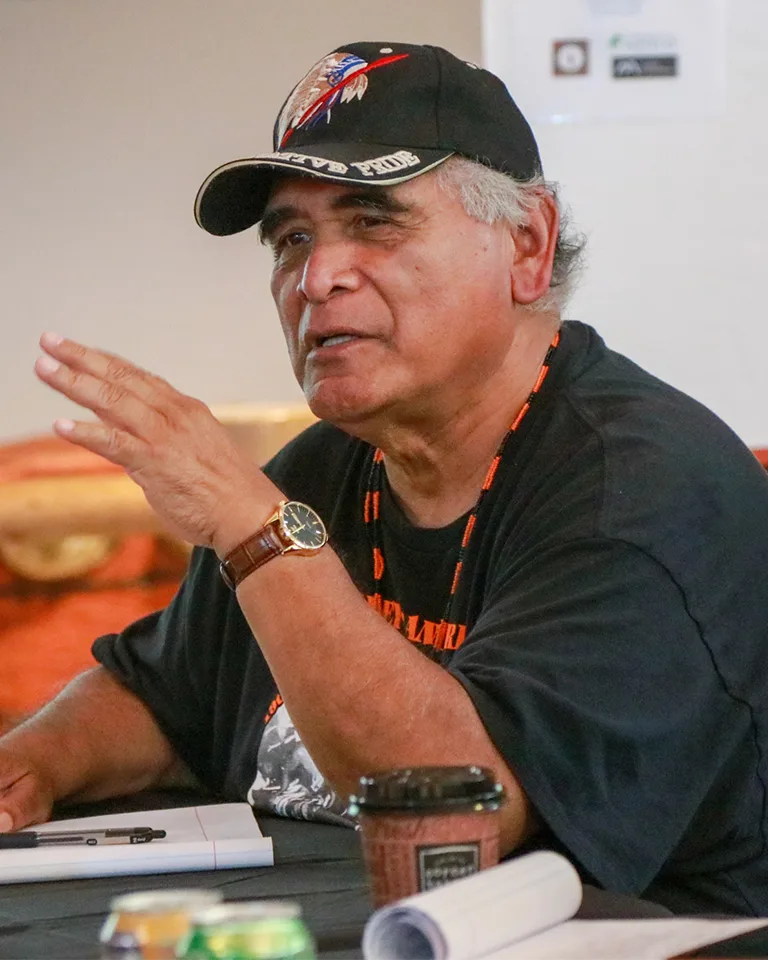
Ron Montez Sr.
Tribal Elder, Tribal Preservation Officer
“These artifacts belong to my grandpa. They belong to my great grandpa. They’re precious and sacred.”
Today, artifacts once forged and used by Pomo ancestors are scattered across the world. According to Montez, many items are driving distance from the rancheria, for instance, a headdress and baby basket at the University of California, Berkeley. Others have been located at the Denver Art Museum, Harvard University, and as far afield as Russia and Germany.
The remains in Montez’s office each have their own story of return. Some were uncovered when construction workers disturbed Pomo burial sites in a nearby town. Others were kept in the private collection of a local archaeologist. The first box arrived in 2018 when the Lake County Sheriff’s Department notified Montez about a small forensic box that had sat in their storage room for nearly twenty years. Inside were fragments of a human cranium found in a walnut orchard.
“It was investigated as a murder because they had nothing else to go on,” Montez recalls. “They held it for all that time. Finally, they contacted me, and I went down to the sheriff’s office to pick it up.”
This return was made possible through the Native American Graves Protection and Repatriation Act, or NAGPRA, a 1990 federal law requiring publicly funded institutions to return Native human remains and sacred objects to their descendants. Though it has opened pathways for Indigenous nations to reclaim what has been taken, the process is long, bureaucratic, and underfunded—especially for small tribes with limited staff.
When Montez first entered his role, he was a department of one. “I didn't know anything about how to handle the artifacts, how to find out where things are. I had no network,” he explains. “Most of the smaller tribes in California are on a very limited budget.”
After several unsuccessful attempts to secure funding, Montez discovered the Caring About and Repatriating Everything, or “C.A.R.E.,” program from Your Neighborhood Museum, a California-based organization that supports Native tribes in protecting their cultural belongings. Montez became a C.A.R.E. Community Fellow in 2022, connecting him to new resources and marking a turning point for his tribe.
“C.A.R.E. made me have a family feeling,” Montez notes. “I met others who were struggling with the same things, and we could combine our interests and help each other.”
According to Lylliam Posadas, co-director of Your Neighborhood Museum, many museums and universities still misunderstand what the law requires, leading to fewer returns. For many tribes, it becomes their responsibility to locate and request their items back. C.A.R.E. supports tribal nations trying to reclaim their cultural heritage, even when institutions are resistant.
“We lean on each other to do what we can now,” says Posadas, “rather than waiting for someone to save us.”
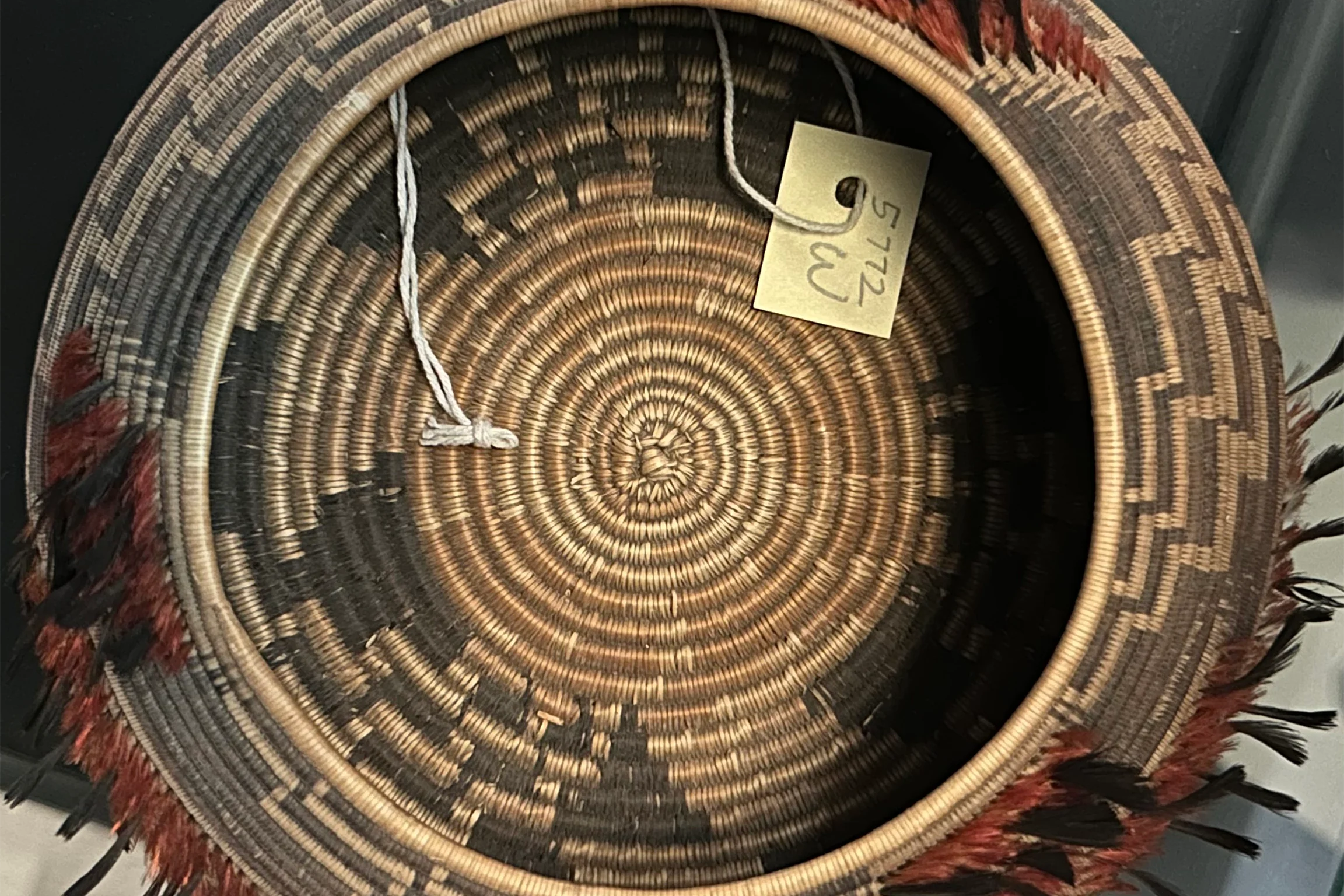
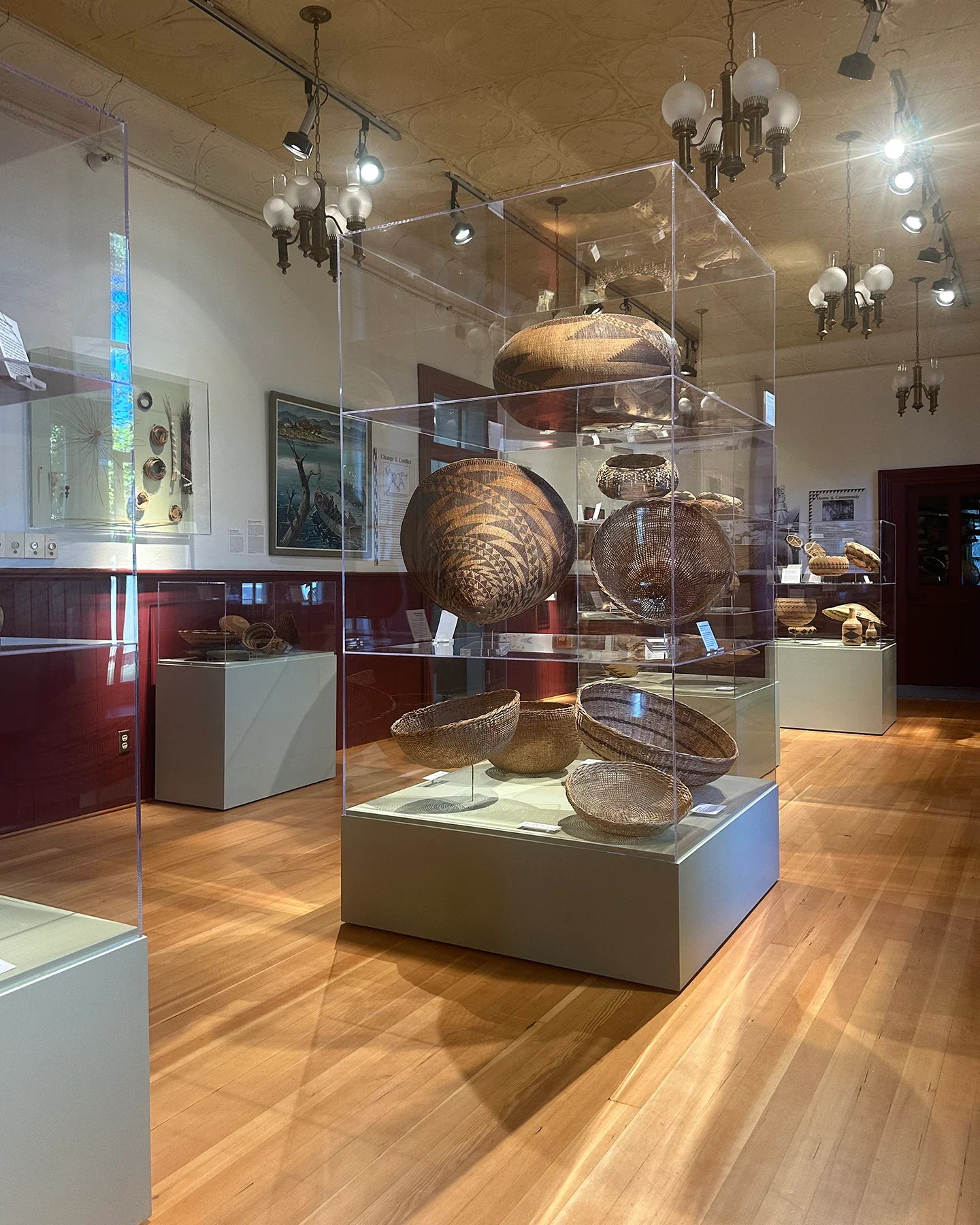
Since connecting with C.A.R.E., Montez has built a close network of mentors, museum professionals, and tribal preservationists. With their support, he’s traveled across the country in search of his people’s items. Over years of visits to museum exhibits and university archives, he has brought home not only the human remains of his ancestors but also cultural treasures once thought lost: feathers, baskets, spears, beads, elder writings, musical instruments, and even his own grandfather’s medicine bottles and tools.
“These are family members,” Montez says softly. “These artifacts belong to my grandpa. They belong to my great grandpa. They’re precious and sacred. In our tradition, when they pass, they begin a journey. Our job is to make sure it’s not disturbed.”
The Big Valley Band is now preparing for the next chapter of this work. Returning items will soon be preserved in Big Valley’s first tribal museum—a space dedicated to honoring Pomo identity, culture, and the ancestors who continue to guide their people. The tribe has also purchased land to serve as a permanent burial ground, where Pomo people can finally be laid to rest on their own soil.
In the meantime, Montez watches over the ancestors beside his desk. “I pray over them, I sing to them, I offer them medicines,” he says. “I remind them that they’re not forgotten.”
Grant insight
Your Neighborhood Museum
Your Neighborhood Museum was awarded $550,000 in June 2024 through the Mellon’s Arts and Culture grantmaking area.
View grant details