Esperanza Peace and Justice Center
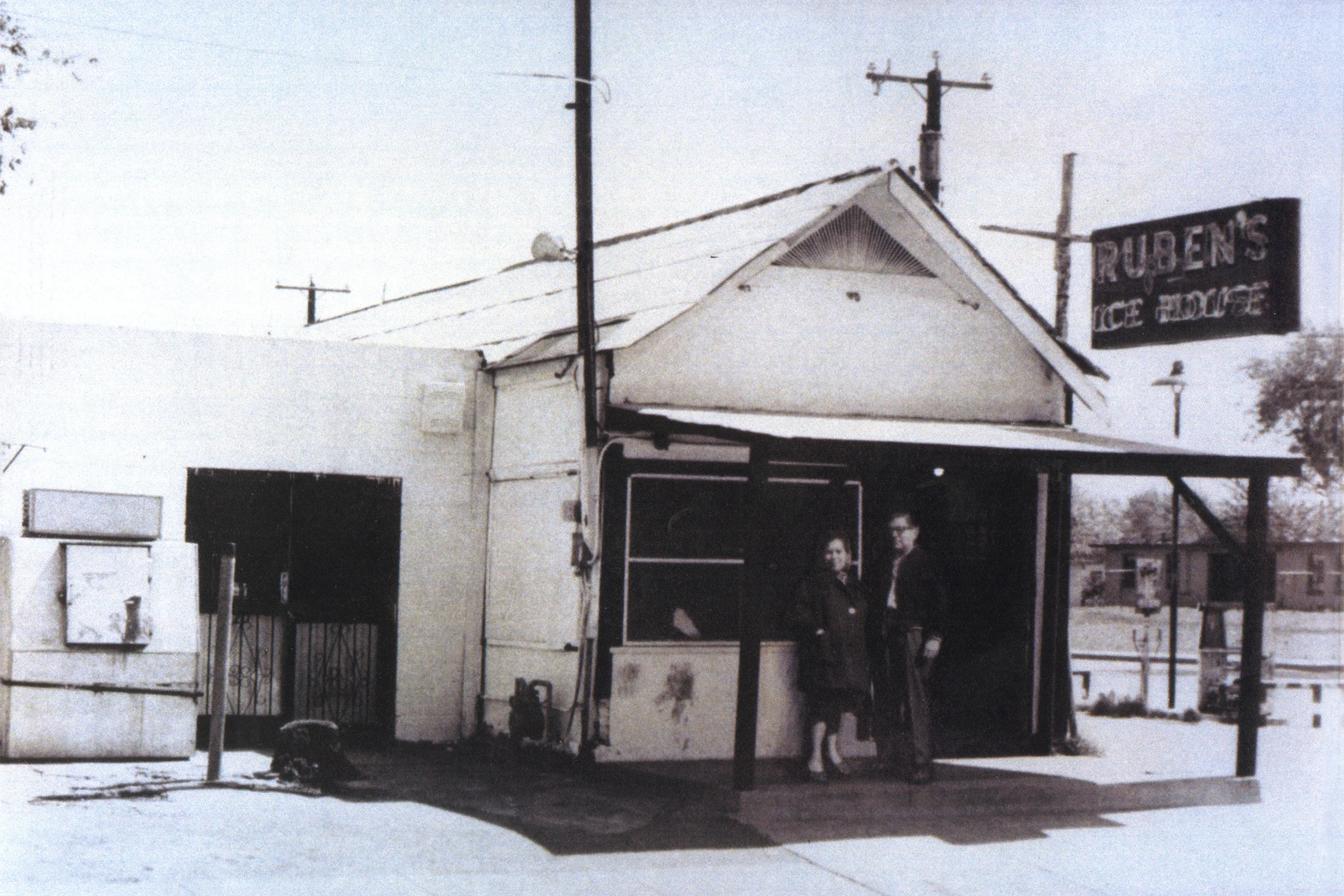
A Little Corner of Hope: Museo del Westside
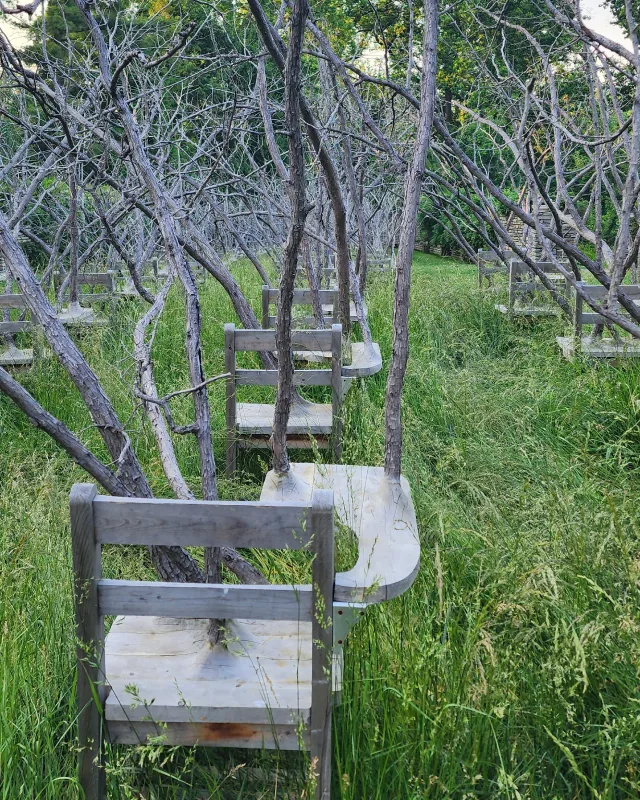
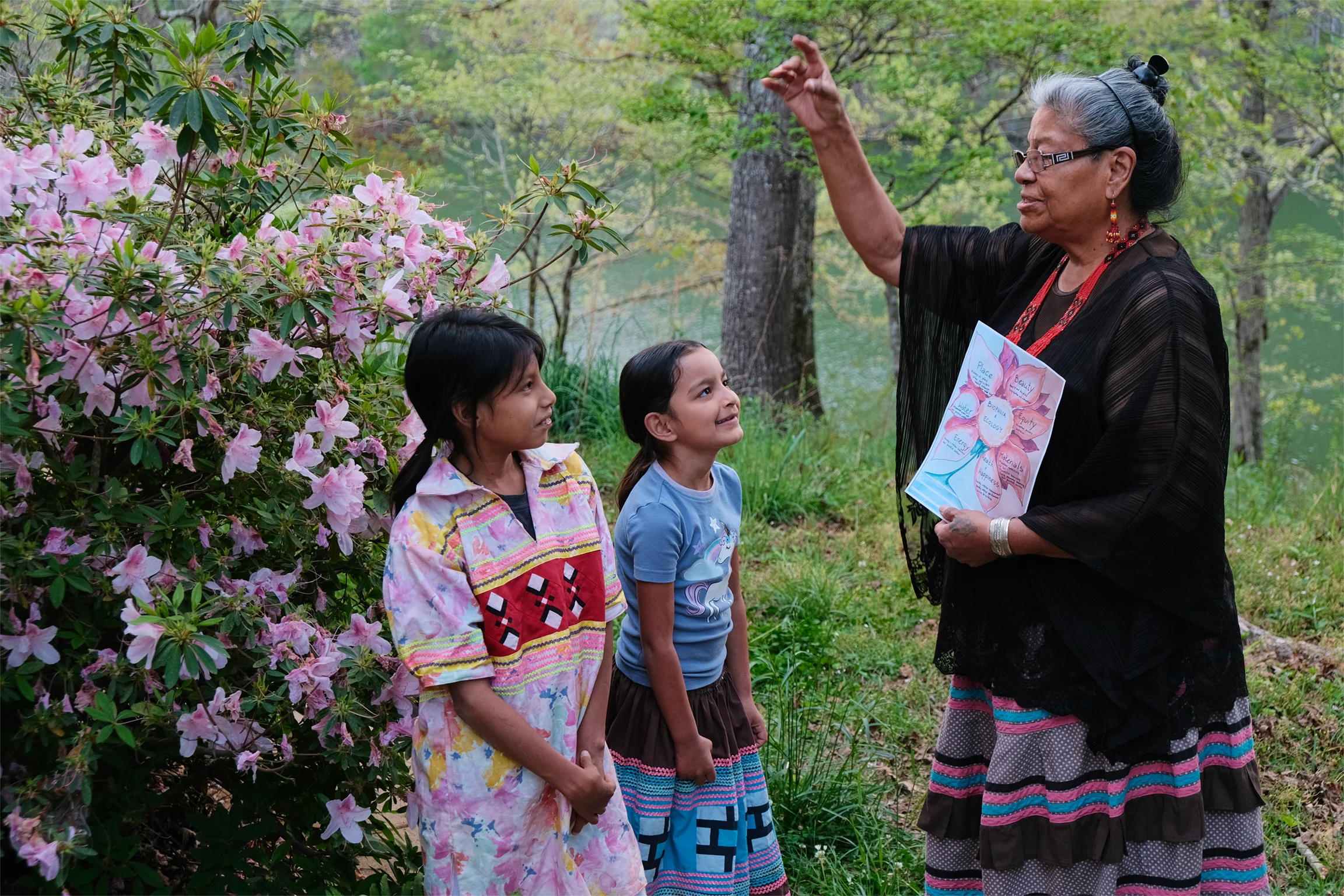
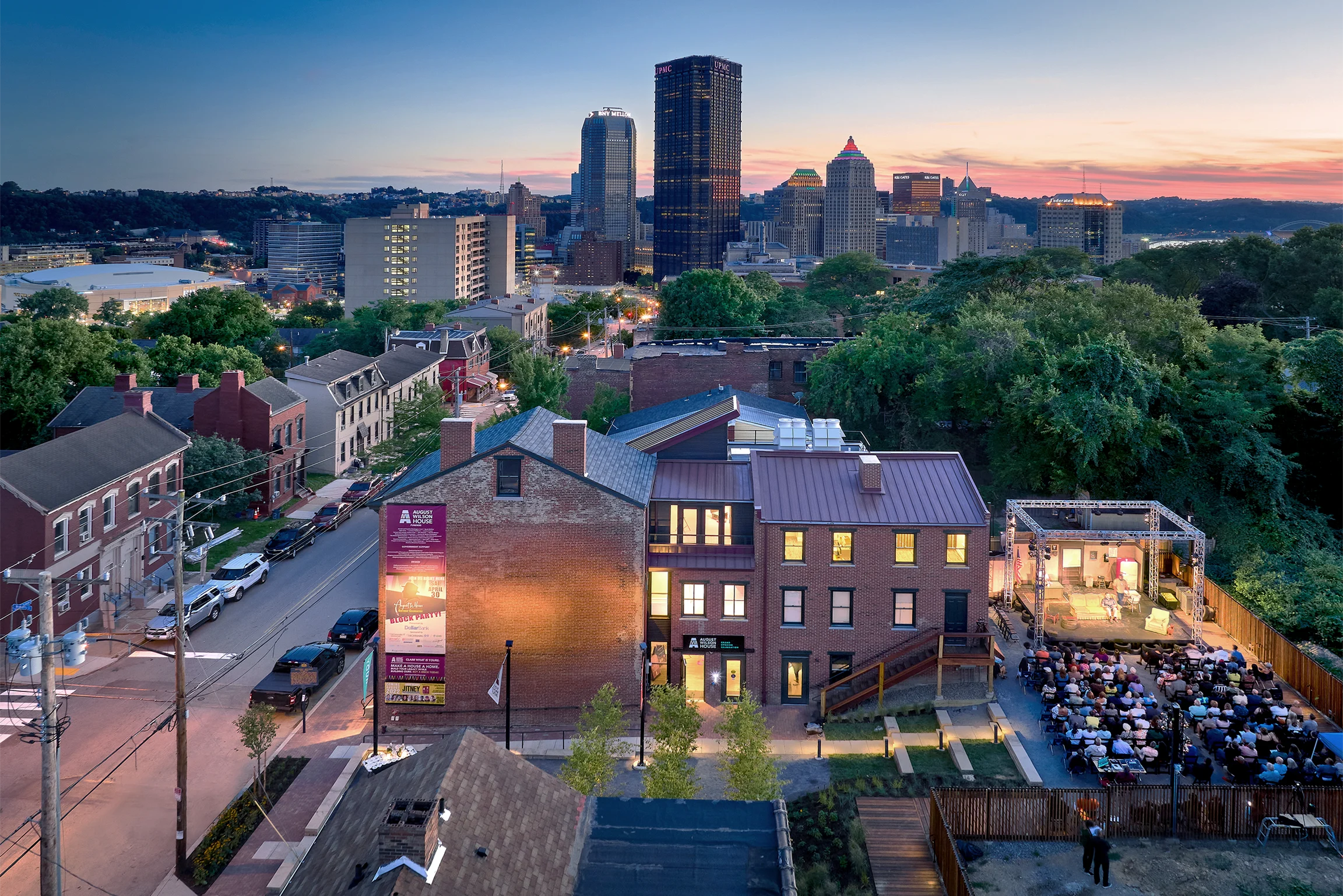
“Place” is more than a geographical location. It is a concept inextricably linked to language, culture, history, art, and knowledge production. Place informs the rituals and daily practices of community and can provide a foundation for individual and shared identity. There is no place that is separate or apart from people.
For communities whose stories and identities have been under-told, lost, threatened, or persecuted, the work of placemaking, a participatory process to shape public places, and place-keeping, active and ongoing care for spaces, is especially vital.
In response to this need, and committing to explore and honor a more complete and accurate range of American narratives and cultures, Mellon launched Humanities in Place, the first newly established grantmaking area in more than 30 years. The program, launched in 2020, supports storytelling, preservation, and public spaces across the country. With an annual grantmaking budget of $41,500,000 in 2023, through this area of grantmaking, Mellon is devoting significant intellectual and financial resources to identifying and elevating place-based, public-facing projects located in and led or stewarded by historically underrepresented and under-resourced communities.
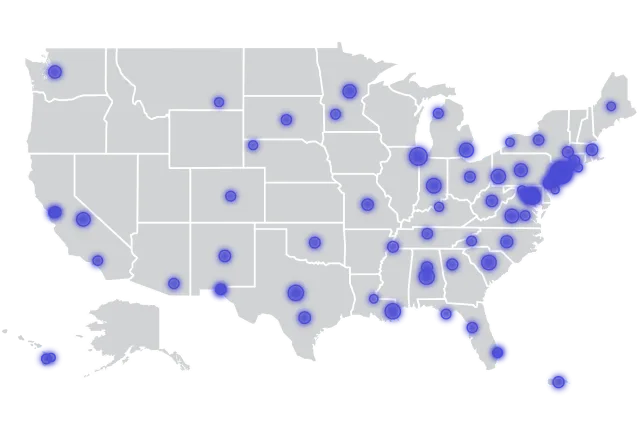
To reflect on the program’s work to date, the Humanities in Place team began a learning process that centered a series of fundamental questions: What do we mean when we say “humanities in place”? What is this work? Where and how does it happen? Who leads it? And why does it matter?
By exploring these questions, the reflection process aimed to articulate how the program is taking shape within a much broader place-based ecosystem—one that includes practitioners, conservationists, grassroots organizers, scholars, activists, and other funders. It also asked us to consider how we are making an impact on grantees, communities, and the broader field of philanthropic institutions—including Mellon itself.
Justin Garrett Moore
Program Director, Humanities in Place
“People love their histories, their legacies, their knowledge, their questions—and they want to share that…It is an ongoing learning opportunity.”
We invite you to explore the product of a year-long examination initiated in 2022. In it, we share insights, practices, and perspectives captured throughout the reflection process, including the highlights, successes, and questions that have emerged in HiP’s work. We have only begun to realize the full potential of Humanities in Place, not only as a programmatic area within Mellon, but also as an evolving community and field of practice.
This report which reflects on grantmaking through Mellon’s Humanities in Place program from 2021 – 2023. It was produced in partnership with Lynn Ross, Spirit for Change Consulting, LLC., and West Wing Writers, as well as grantees who shared their insights through surveys and interviews. In December 2022, active grantees traveled to a day-long convening held at Mellon’s headquarters in New York City and explored key questions and ideas that emerged as Mellon’s commitments are translated into new communal spaces, new programs, and new dialogues.