Ithaka Harbors, Inc.
Ten Surprising Things You Can Enjoy Online, Thanks to JSTOR
Set your mind back to a time when digital storage was not readily available on every device or cloud service, much less by monthly subscription.
In the early 1990s, librarians were trying to answer a very practical question: where to keep collections as they grow? Libraries lacked the shelf space needed to display their holdings, especially academic journals with many volumes.
William G. Bowen, then-president of the Mellon Foundation, proposed an audacious answer—digitizing the materials would save space, cut storage costs, and make them more widely available to researchers in electronic format.
JSTOR (short for Journal Storage) was seeded in 1994 with an initial grant of $700,000 from the Foundation. The pilot was carried out at the University of Michigan where prototyping for comparable projects looked promising. The objective: to bitmap five journals in two fields (economics and history) and connect the images of the journals to a search engine that was “user friendly.”
“We had to create all the technology,” said Kevin Guthrie, co-founder of JSTOR and president of the nonprofit ITHAKA, which today runs the platform. “When we launched over the period from roughly 1997 to 1999, you saw the takeoff of the web… That timing was extremely fortunate for us because then people started getting connected.”
Today, JSTOR is a global archive used by researchers, students, journalists, and incarcerated learners, among others. Its collections include millions of articles, images, and primary sources.
Looking back, the concept may seem simple, but the impact was vast. JSTOR made the journals accessible and discoverable for more people, affirming the criticality of knowledge and scholarship.
While technology and digital storage feel ubiquitous in 2026, archiving and preservation of media remain a matter of importance to institutions—and individuals.
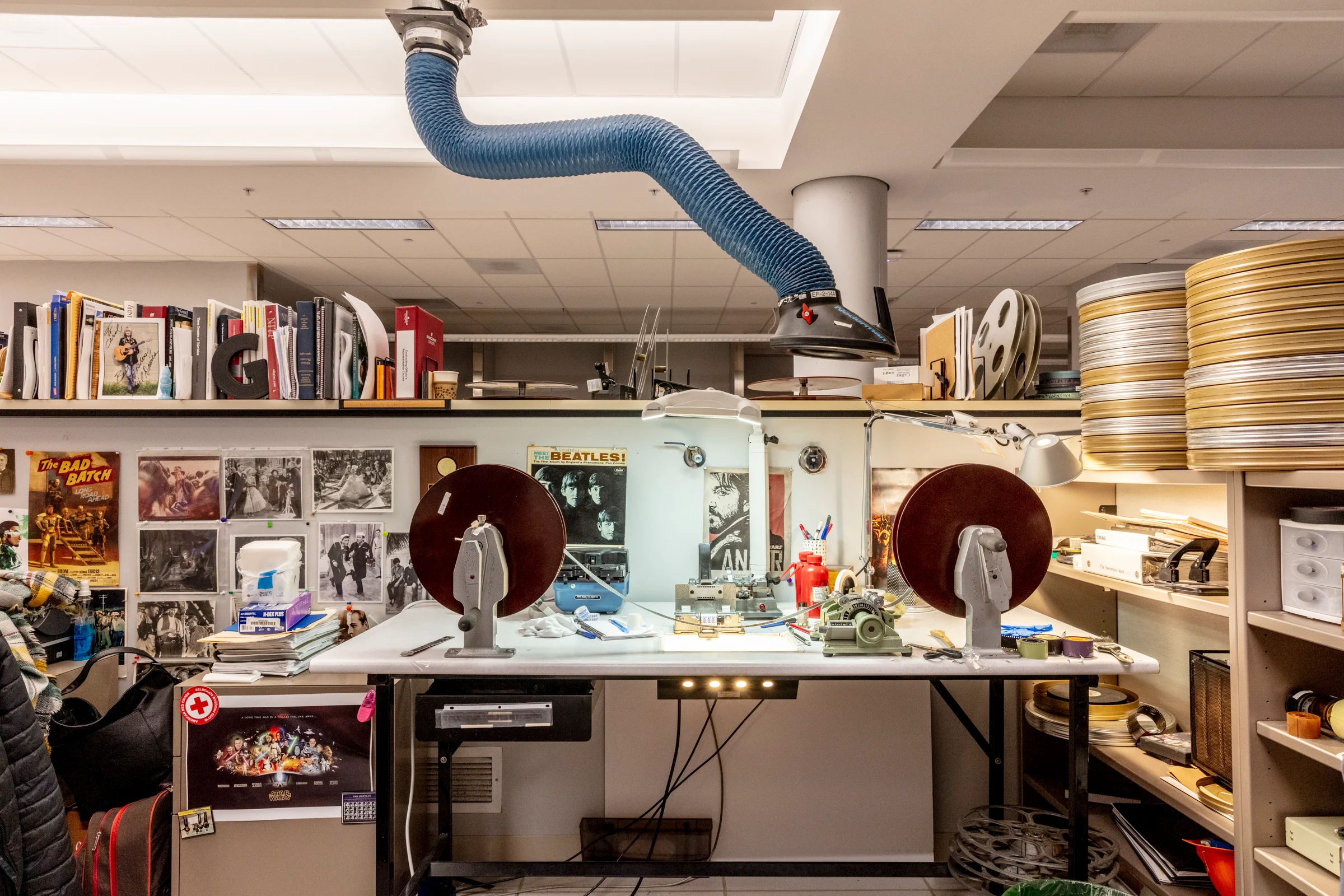
Consider personal media collections. Physically, they can be VHS tapes, printed photos, slides, and other analog formats. They might sit on shelves in basements, collect dust in shoeboxes, and take up space in people’s homes.
What they hold, however, are memories that cannot be replaced.
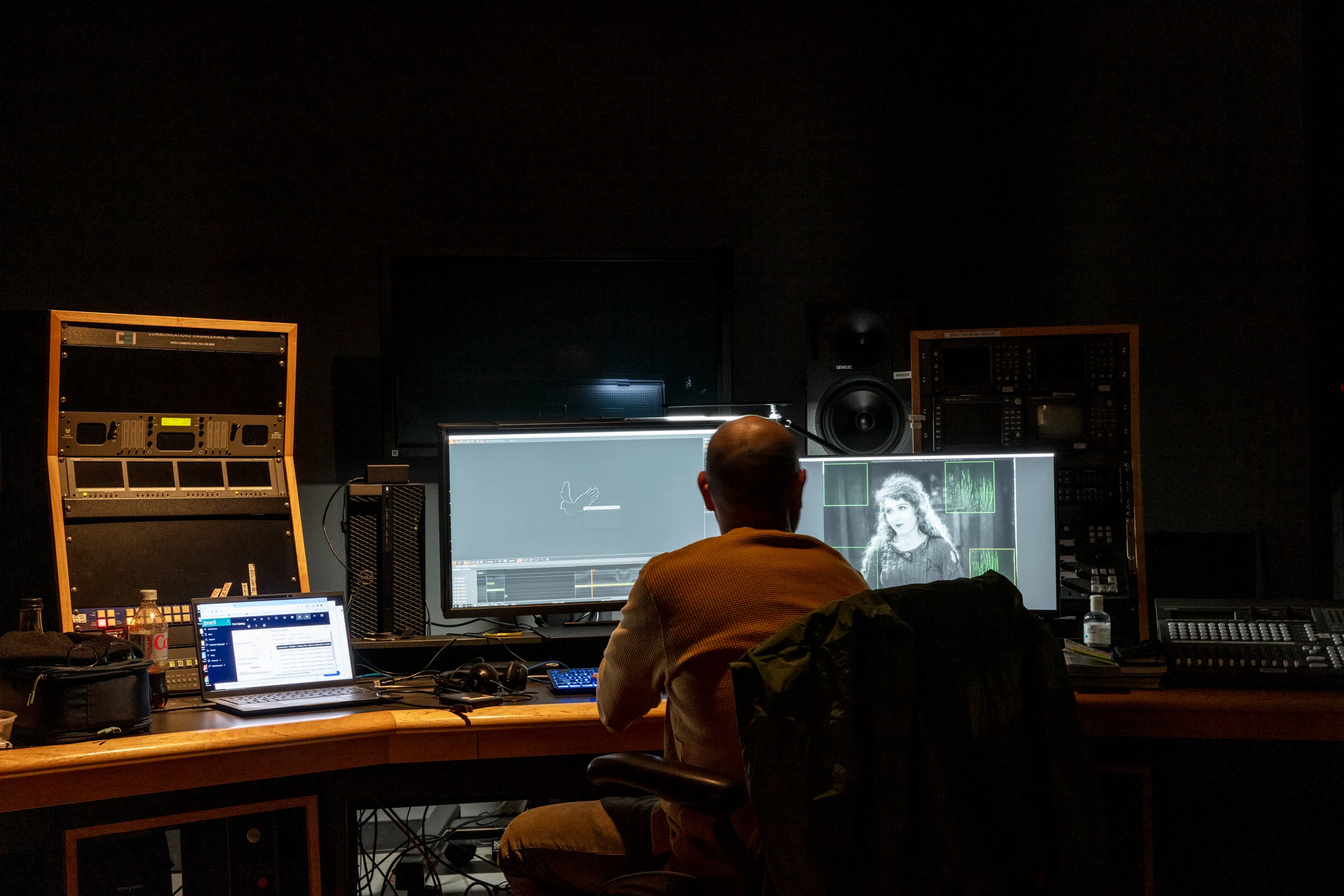
With support from Mellon Foundation, public libraries are stepping in to save them. They are establishing “memory labs” that allow people to digitize their outdated media. Staffed by library workers, these personal archiving centers offer people access to equipment and training on how to use it.

Patricia Hswe, Program Director
Public Knowledge
“Saving artifacts like video home movies and oral histories on cassette tapes helps ensure a future of memories—able to be accessed and shared for posterity.”
Since 2023, Mellon has supported almost 20 library systems in this work, with grants to build and expand existing memory lab locations and for programming to connect underrepresented groups with memory lab resources.
“The goal of the programming essentially is to democratize archiving to make it more accessible to people, to impart the knowledge and the technical skills, and to generally encourage people to preserve their materials,” said Aza Babayan, a community archives program manager at Los Angeles Public Library, an early adopter of community collecting.
Taken together, these personal collections become a vital record of America’s history.
The labs are emerging as powerful centers for preserving local stories, shoring up local narratives, and combating erasure of history—and imagining a future where memories flourish because of preservation acts in the present.
“We need to be more intentional and accessible about how we talk about preservation," urges Patricia Hswe, program director for Public Knowledge at Mellon Foundation. “The memory labs offer opportunities to do this ‘in community’ and connect preservation to the personal and the local; fibers that together weave a wider tapestry of our country’s history.
###
Editor’s note: This piece is part of First Movers, a series from foundation leaders reflecting on moments when the charitable sector backed new and untested ideas, and the people behind them, before anyone else would, and asking where the sector should go first next. #FirstMovers #GenerosityBuilds
