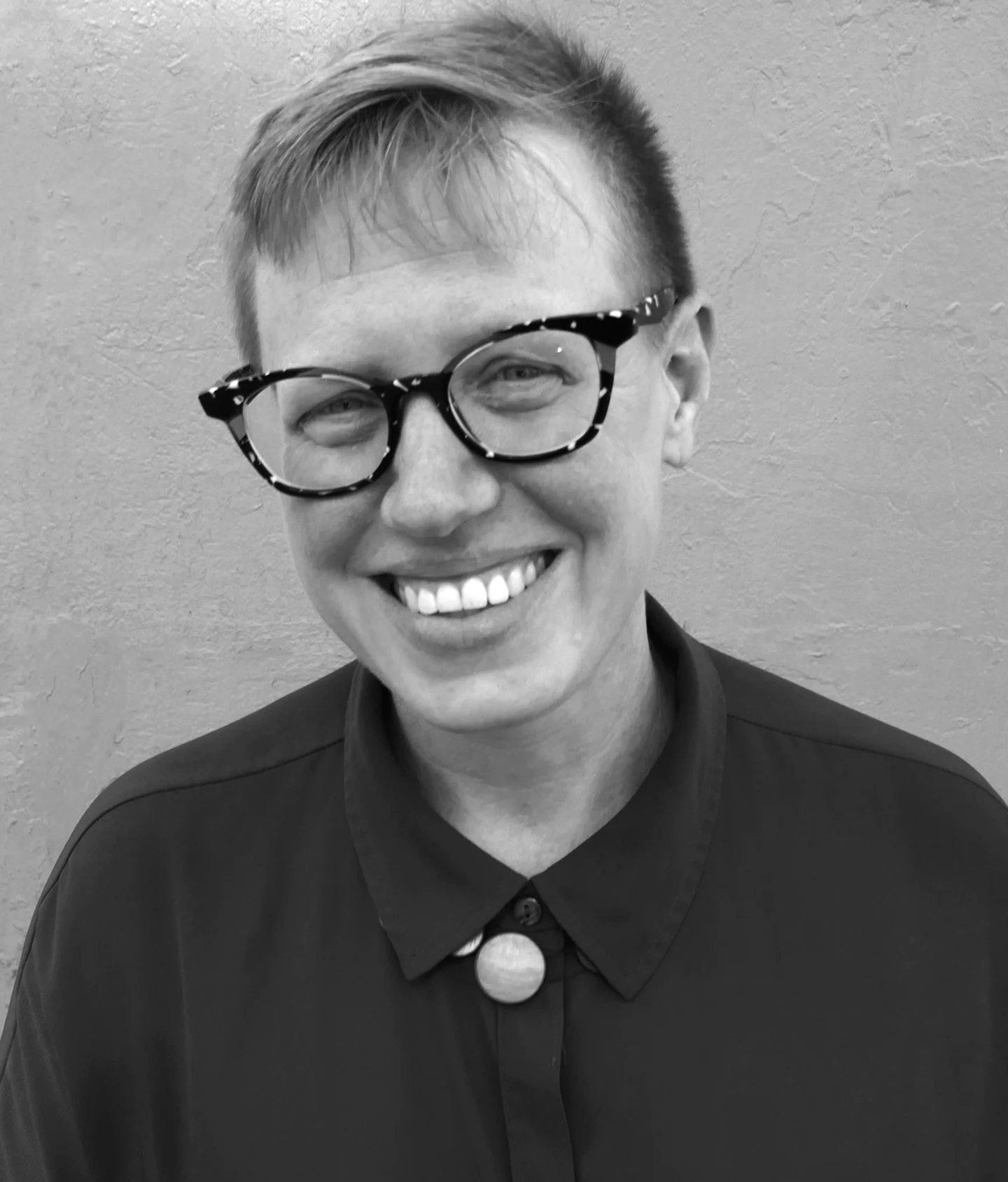
Emily Drabinski
Associate Professor
Queens College Graduate School of Library and Information Studies
Iowa is no stranger to thunderstorms, especially in the summer. But a derecho is something different. Winds gust over 58 miles per hour, stretching heavy rains over 250 miles or more. A derecho can destroy in minutes what it takes a generation to build.
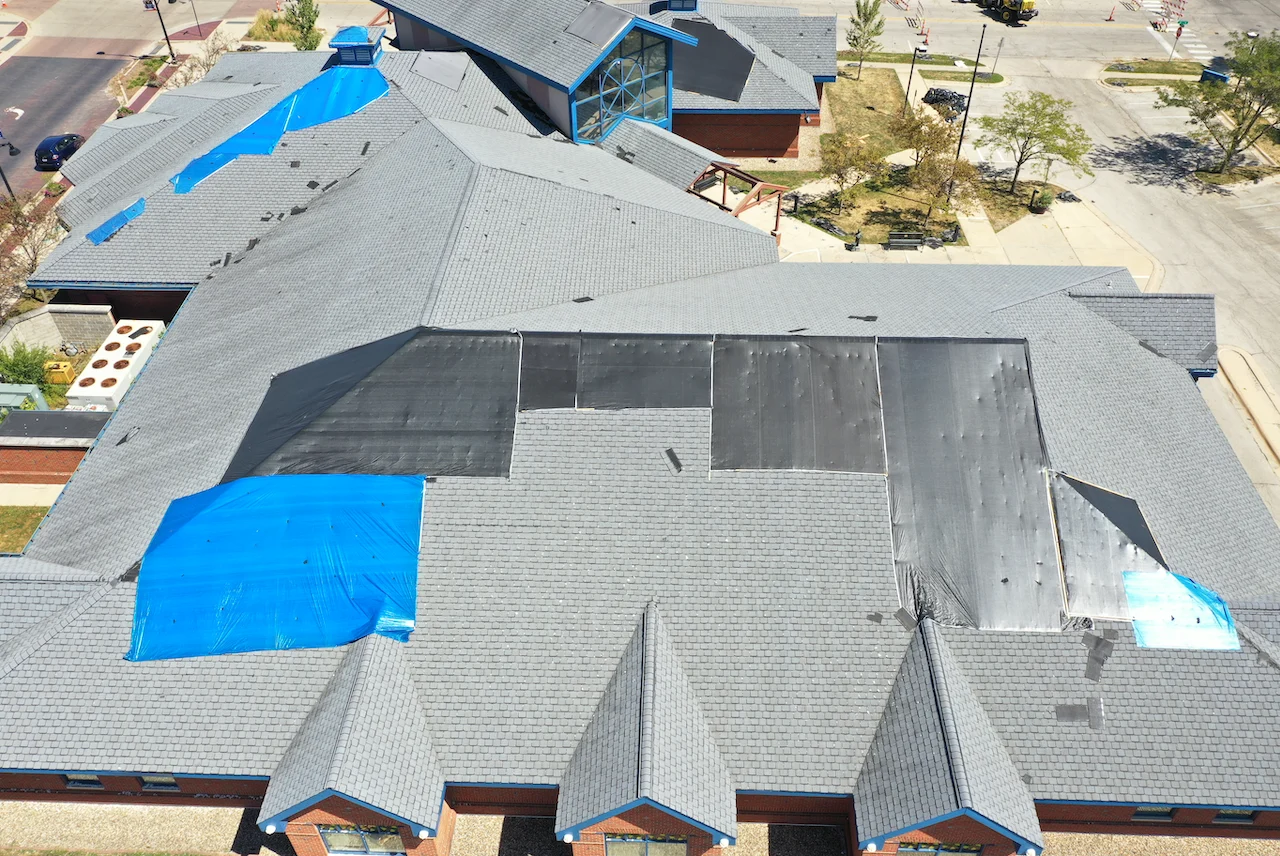
In the summer of 2020, a derecho hit Marion, Iowa, a city of just over 40,000 people. Mayor Nicholas AbouAssaly said that, “every person was impacted.” The roof of the Marion Public Library was ripped clear off the building.
James Teahen had just started a technology position in the library. Born and raised in Marion, he spent the first part of his career in private industry, but shifted to libraries as an opportunity to give back to the place where he grew up and is now raising his own family. Drawing on his background and the capacities of library staff, within days of the storm he worked quickly to set up a makeshift computer lab in a park, mobilizing library resources to jumpstart recovery in Marion.
Teahen is not alone. Libraries routinely partner with emergency management agencies to help residents prepare for and recover from disasters that seem to occur with increasing pace and intensity. Following Hurricane Ian, the state of Florida and the Federal Emergency Management Agency (FEMA) opened a Disaster Recovery Center in the Lakes Regional Library to help residents apply for aid and check on the status of relief applications. In April 2023, FEMA and local partners conducted a workshops in two local libraries in Lafayette Parish and New Orleans, Louisiana, to help people with disabilities and their caretakers prepare for disasters. In December 2022, libraries in Hennepin County, Minnesota, institutions that serve as warming centers during long Minnesota winters, partnered with the county sheriff’s office for a cold-weather clothing drive across fifteen branches, collecting items from the community to be distributed through homeless outreach center located in the Minneapolis Central Library and to individuals leaving court or jail without adequate clothing. Across the country, libraries serve in multiple ways as shelters from the storms.
These same institutions have found themselves at the center of a different kind of storm. By now, the scenes unfolding at public libraries across the US are familiar: violent protestors at Drag Queen Story Hour, aggressive crowds at library board meetings shouting for the removal of books related to Black life and LGBTQ+ experience, library workers accused of circulating pornography, grooming children, and worse. The American Library Association (ALA) has been tracking censorship attempts in libraries for more than twenty years. In 2021, 729 censorship attempts were reported to ALA. That number nearly doubled in 2022. Preliminary data for 2023 shows censorship on the rise again, particularly in public libraries. Gusting winds, indeed.
Threats to books translate to threats to libraries, full stop. Following a public debate about young adult books, a citizen of Columbia County, Washington, filed a petition to dissolve the Dayton Memorial Library. (A county judge ruled the question could not be put on the ballot.) After a judge ruled that censored books had to be returned to the shelves, Texas’s Llano County commissioners pondered closing the library altogether. The book may be the errant firework, but the ensuing wildfire can destroy the entire building.
During the closure in Marion, programs, resources, and services were offered across the city in strip malls and parks. The central library–the bellwether that library staff and community members look to for guidance in any storm–had been closed for more than two years. When I visited the new building at the center of town in July 2023, Teahen, now deputy director, and director Bill Carroll proudly showed off the new Marion Public Library. Loaves of bread sat on a table just inside the door, free to anyone who needed it. Small children in matching camp shirts swarmed an indoor playspace built just for them. A group of women sat talking and weaving in a program room on the second floor. We walked out onto the second-floor roof, where tables and chairs and an outdoor fireplace look out over a town square still under repair. The new building had its soft opening in November 2022, two and a half years since the derecho had torn it apart. The people of Marion know what the library means to the community—they had to live without it for too long.
We face some challenging weather. Some of us have our lives and stories targeted for destruction. Others of us struggle with food insecurity. All of us face the growing impact of climate change. Libraries are a kind of shelter, the institution through which we can address so many contemporary challenges. As we fight for the right to read, we also fight for shelters from the storms: our libraries.
Emily Drabinski is the former president of the ALA and is an associate professor in the Queens College Graduate School of Library and Information Studies (City University of New York). She edits Gender & Sexuality in Information Studies, a book series from Library Juice Press/Litwin Books, and is a contributing writer for Truthout, where she covers the politics of libraries. Drabinski was the 2020 recipient of the Career Achievement Award from the ACRL Women & Gender Studies Section. For more information, please visit emilydrabinski.com or on X (formerly known as Twitter) @edrabinski.
Associate Professor
Queens College Graduate School of Library and Information Studies