Elizabeth Alexander
President

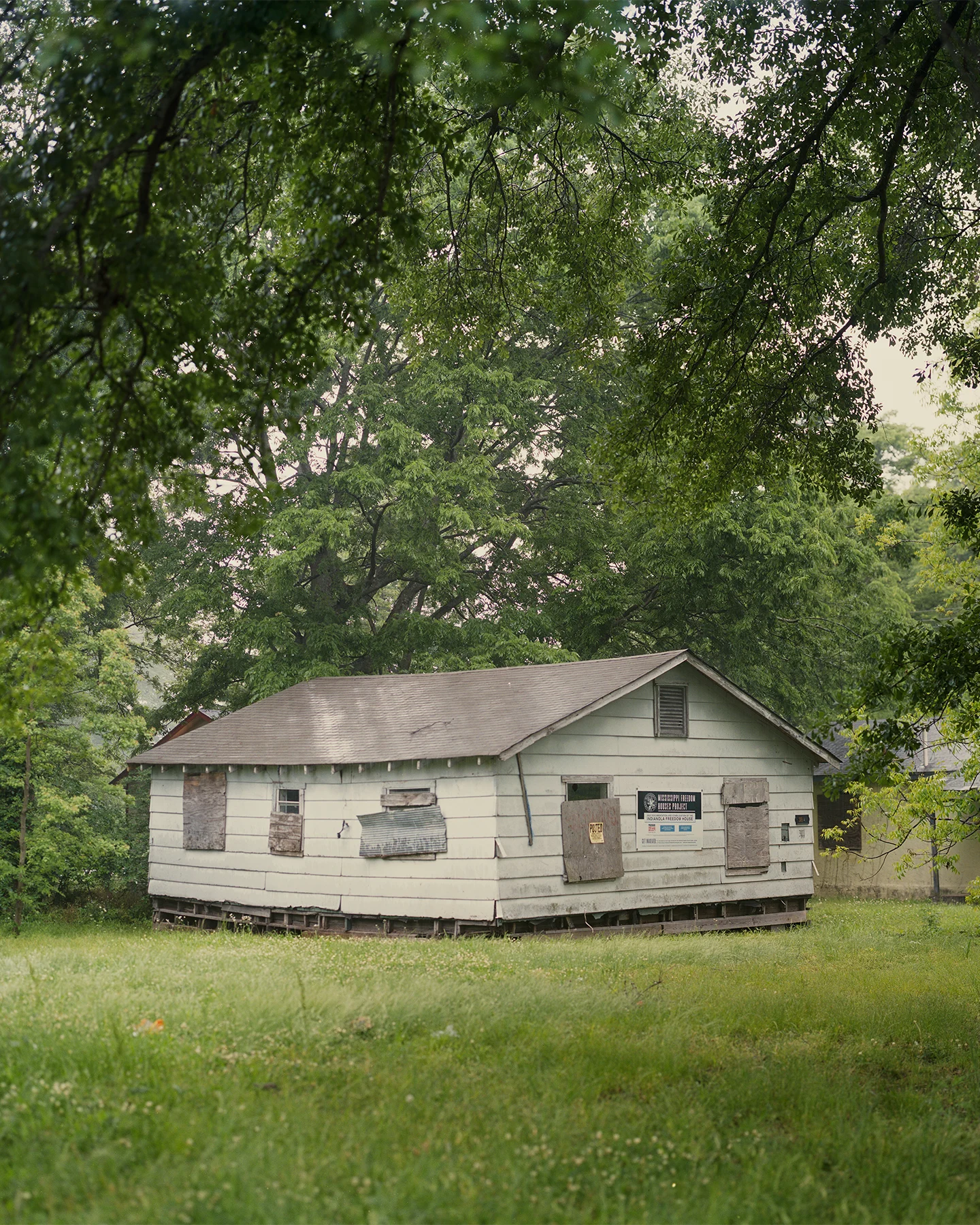
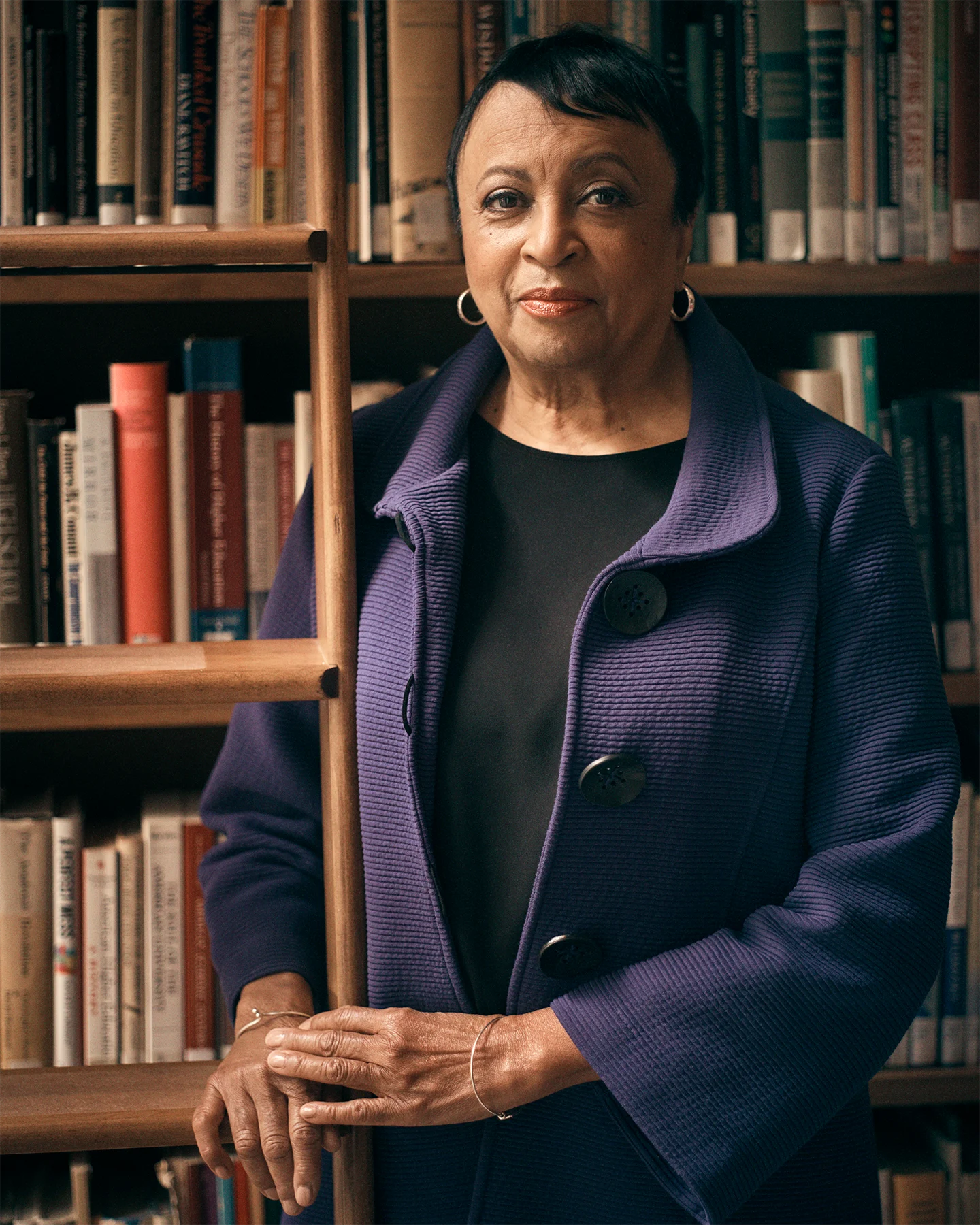
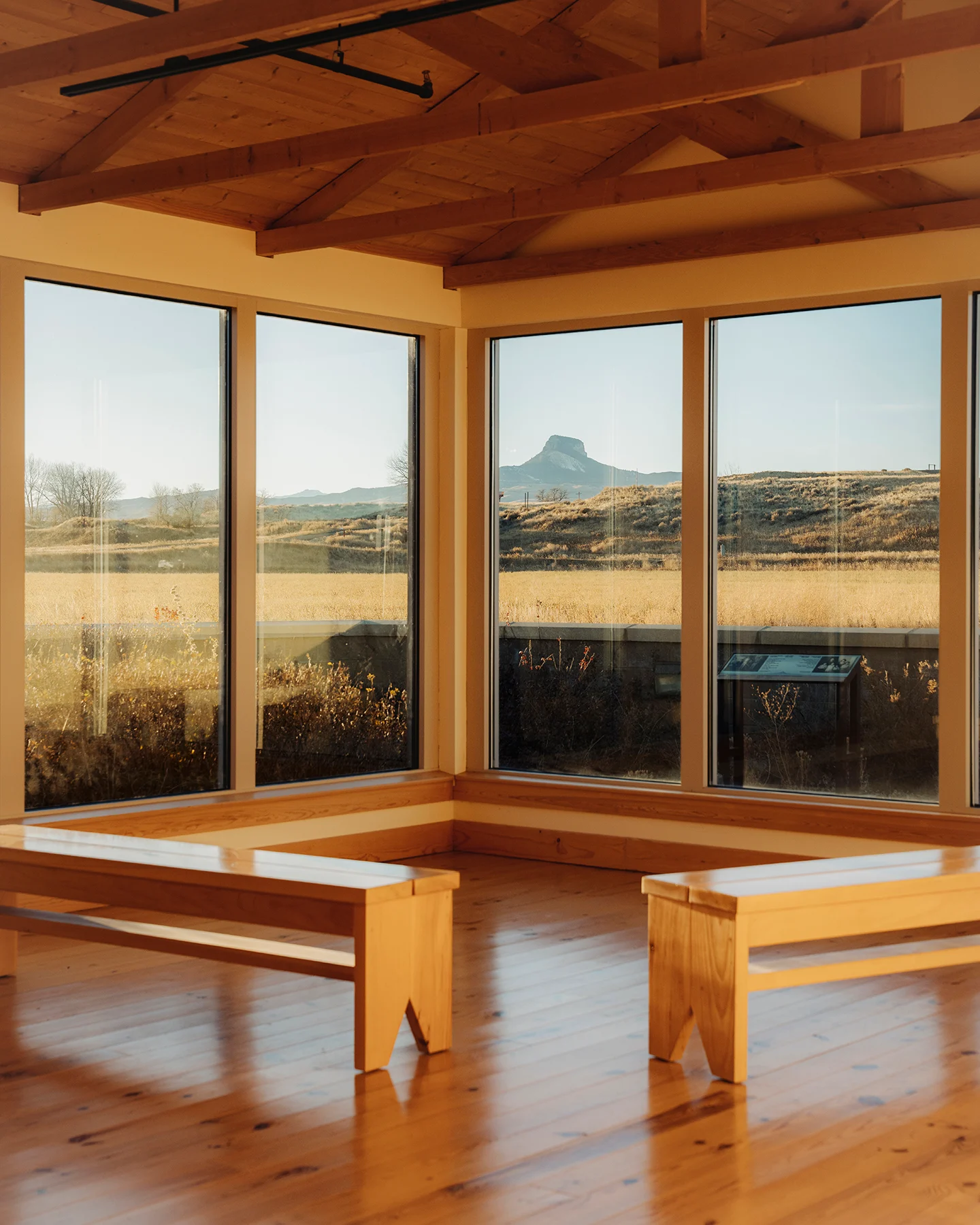
Throughout 2025, the Mellon Foundation continued serving America’s communities as the nation’s leading funder of the arts, culture, and humanities. We supported institutions and leaders committed to the ever-broadening canvas of storytelling in our country, the deep knowledge and scholarship of higher education, and the profound American traditions to speak, read, and remember freely in our public spaces. Issuing more grants than in any other year in Mellon’s history, we reached hundreds of not-for-profit organizations at work in the fields we fund.
Mellon addressed emergency needs in the arts and humanities from the very start of 2025 to its conclusion, responding each time with grants designed for maximal impact on behalf of those we serve. That January, we joined with a coalition of foundations to deliver $12 million to Los Angeles artists and arts organizations devastated by the Southern California wildfires. In the wake of government efforts to defund multiple national media stations as the year progressed, we contributed $3 million to help stabilize these vital public outlets. Following federal cuts to state and jurisdictional humanities councils, we extended a $15 million lifeline to council employees, programming, and organizational infrastructure in all 50 states—underscoring our enduring commitment to broad access to the humanities in American society.
Further demonstrating the essential role philanthropy holds in our shared civic life, Mellon exercised its right to give freely throughout the course of 2025 by expanding opportunities in the arts, culture, and humanities. We continued to enact long-term visions for the public good through large-scale and ongoing grantmaking efforts, including $25 million committed for paid internships for humanities majors enrolled at public colleges and universities, more than $26 million for American museums, and $12 million in grants for community-based archives. We also joined in new partnerships like Humanity AI, a major investment in future-oriented, humanistic solutions to challenges posed by the increased use of artificial intelligence in the United States.
President
Mellon grantmaking
Quick links
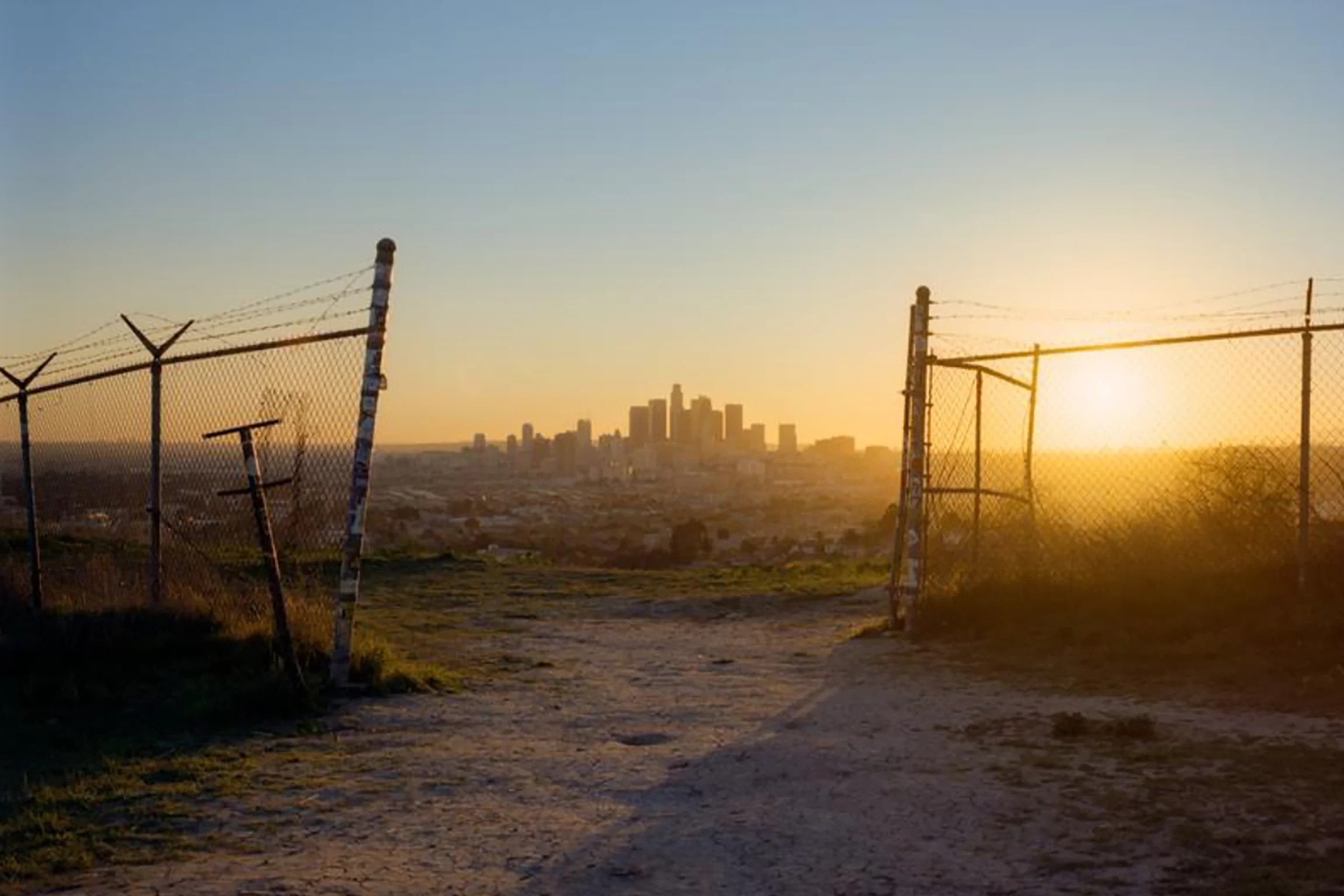
New Mellon initiatives undertaken last year expressed that same visionary ethos. In February of 2025, we launched a $35 million fund dedicated to the legacies and innovations of jazz—an original American art form that has driven cultural innovation since its emergence in the years after the Civil War. The Jazz Legacies Fellowship honors luminaries of the genre with financial support and personalized career resources, while other funding issued under the initiative supports scholars and performance groups who are engaged in both the preservation and ongoing evolution of American jazz traditions.
Last October, Mellon led a coalition of the nation’s leading funders to launch the $50 million Literary Arts Fund. With the aim of strengthening the nonprofit presses and organizations vital to American literature, this support will help sustain book festivals, public readings, and writing fellowships in communities across the country. More broadly, the fund underscores the centrality of the American literary arts to our history, reminding us of their significance as a voice and vehicle for democracy as we near the 250th anniversary of the Declaration of Independence.
Significant Mellon grant renewals last year further expanded the breadth and depth of American storytelling, scholarly inquiry, and public engagement with the arts, humanities, and culture. Under our Imagining Freedom initiative, we announced the second cohort of Writing Freedom Fellows, highlighting exceptional literary work by writers impacted by the U.S. carceral system. Building on our sustained support for the cultural infrastructure of Puerto Rico, Mellon announced the fourth cohort of Puerto Rican writers through the Letras Boricuas Fellowship, along with renewed investment in Maniobra, providing stable employment to cultural workers throughout the archipelago.
Elizabeth Alexander
President
“Issuing more grants than in any other year in Mellon’s history, we reached hundreds of not-for-profit organizations at work in the fields we fund.”
Particularly notable was Mellon’s substantial grantmaking in Alaska, which stands among the states least funded by American philanthropy overall. An Alaska Institute for Language, Culture and Society is now underway with support through Mellon’s Higher Learning program, as are public art projects highlighting the state’s Black and Filipino communities through our Humanities in Place program. Via Public Knowledge, we are helping Alaskan Indigenous community members in Chickaloon Village, northeast of Anchorage, as they digitally preserve the cultural and historical knowledge and practices of their peoples. In Juneau, we are funding new public interpretations efforts through a Monuments Project grant to the Central Council of Tlingit and Haida Indian Tribes, which represents more than 38,000 Native people living around the globe.
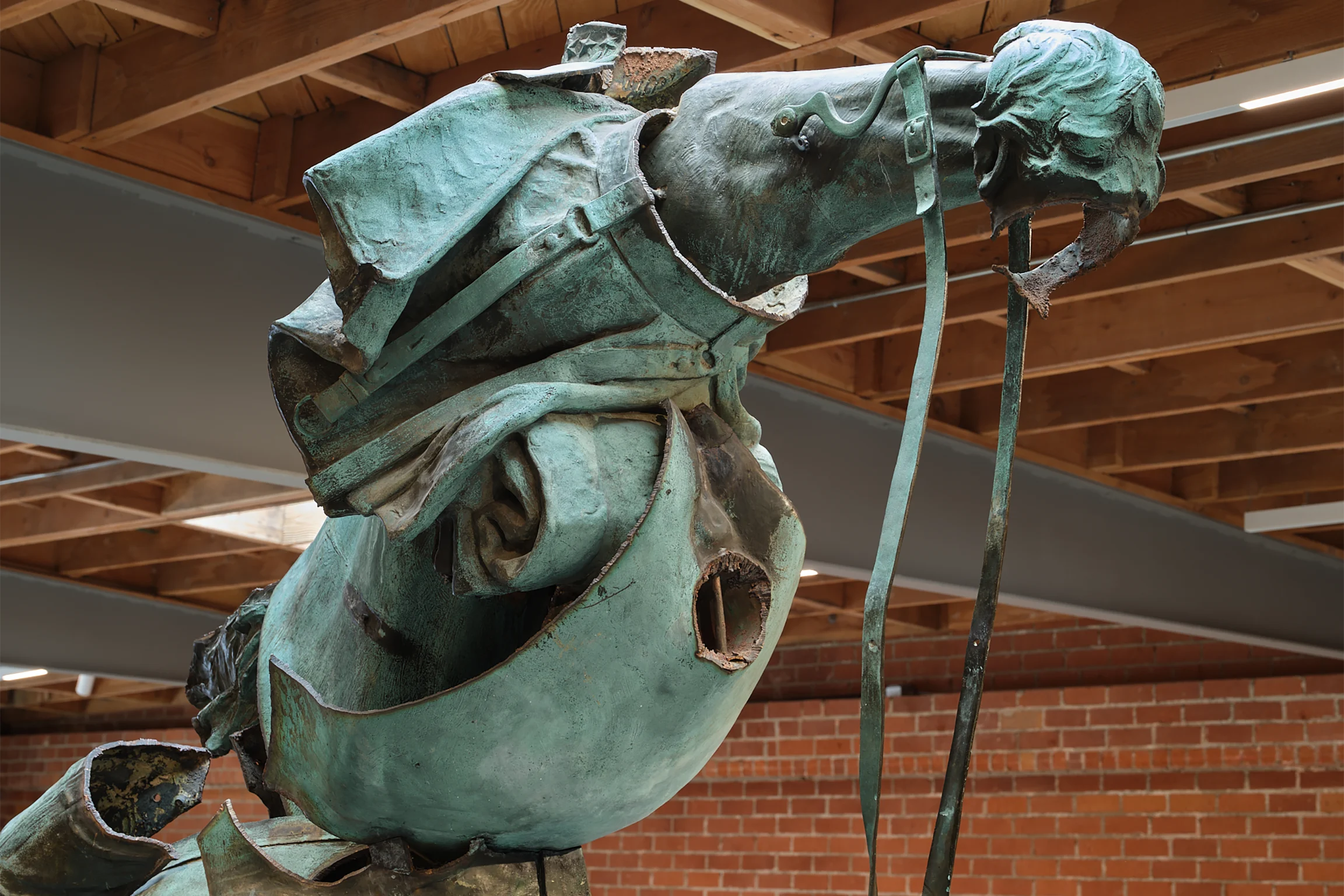
At $500 million, the Monuments Project remains the single largest commitment in Mellon’s history, and as of 2025 we have issued more than $250 million in grants under its auspices. Grantee work last year includes the national tour of the Ireichō, a sacred book holding the names of all 125,284 people of Japanese ancestry who were incarcerated by the United States government during World War II. In communities across the country, the Ireichō brought together Japanese American elders and their descendants to mark their loved ones’ names within the book. Also taking place in 2025 was the opening of MONUMENTS, an exhibition co-organized by the Museum of Contemporary Art and The Brick in Los Angeles, which presents decommissioned Confederate statues both alongside and reimagined into new works, reflecting how the memories and legacies of the Civil War live on in American culture today.
Mellon’s support for the empowerment of working artists in the United States remains robust, informed in part by the insights and outcomes of Creatives Rebuild New York (CRNY)—a statewide $125 million guaranteed income and employment program the Foundation helped establish in response to the COVID-19 pandemic, and which concluded last year. Drawing on the scope and scale of CRNY’s impact, Mellon commissioned NORC at the University of Chicago to conduct a National Survey of Artists. This study, completed last year, offers a comprehensive overview of American artists’ livelihoods, and will allow philanthropy writ large to develop strategically targeted support for artists in our country going forward.
We at Mellon are deeply proud of the work our grantees envisioned and led in 2025. We look forward to the extraordinary creativity, artistic expression, and scholarly exploration of all who engage with the arts, culture, and humanities—and which are already well underway in 2026.
For access to annual reports from previous years please reach out to: