In focus
Video
“I Didn’t Think I’d See It Again”: Survivors and Descendants Return to Site of Japanese Incarceration Camp
LocationPowell, Wyoming, United States
Grantmaking areaPresidential Initiatives
DirectorAlexandra King; Cinematography and Editing: Braunschweig Productions
DateNovember 14, 2025
Follow three families as they gather to remember their imprisoned ancestors.
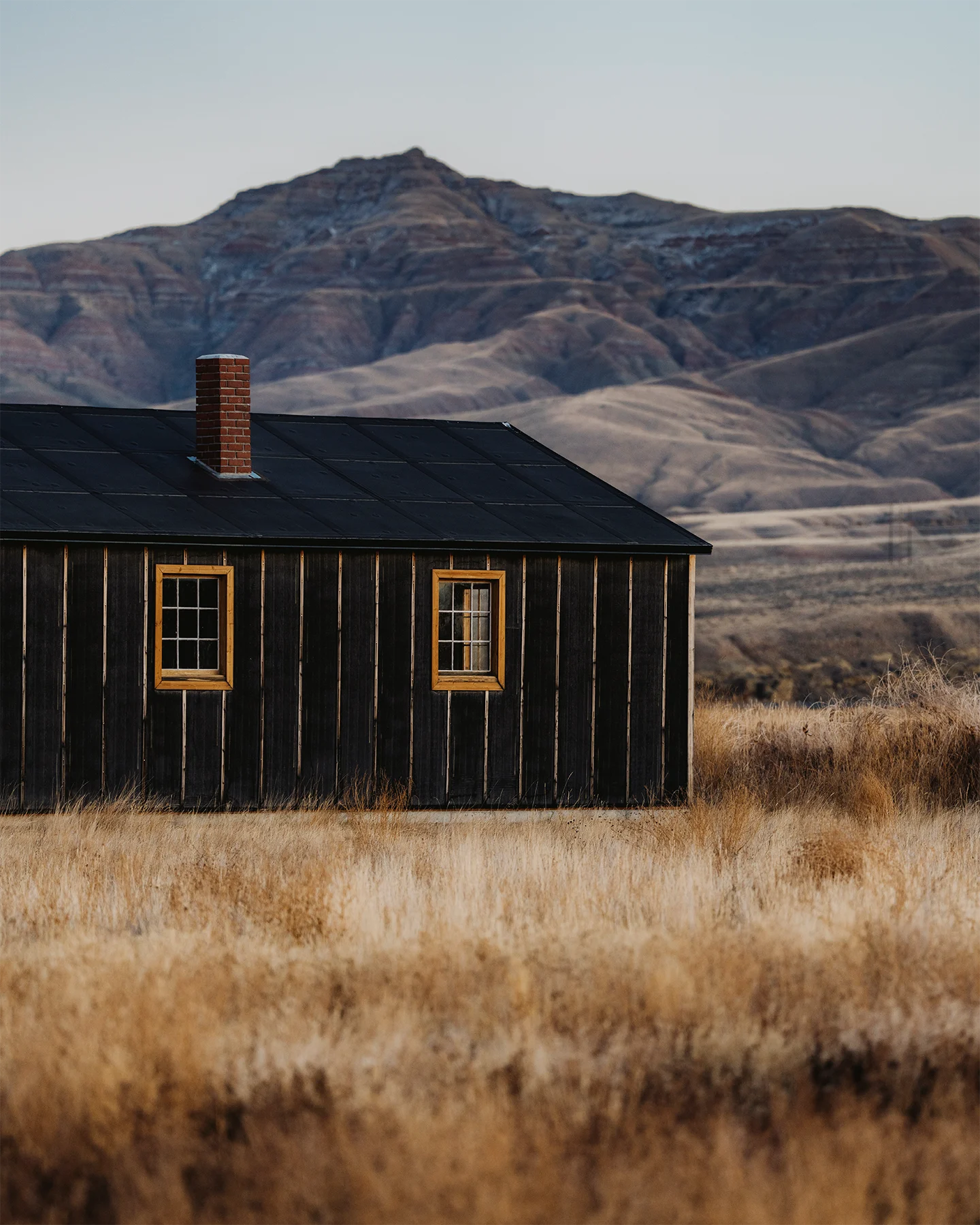
In 2025, 84-year-old Michael Hosokawa returned to Powell for the first time in more than 80 years. Walking under Wyoming’s clear blue skies, he was there to visit the site where he was incarcerated as a child in a concentration camp at Heart Mountain.
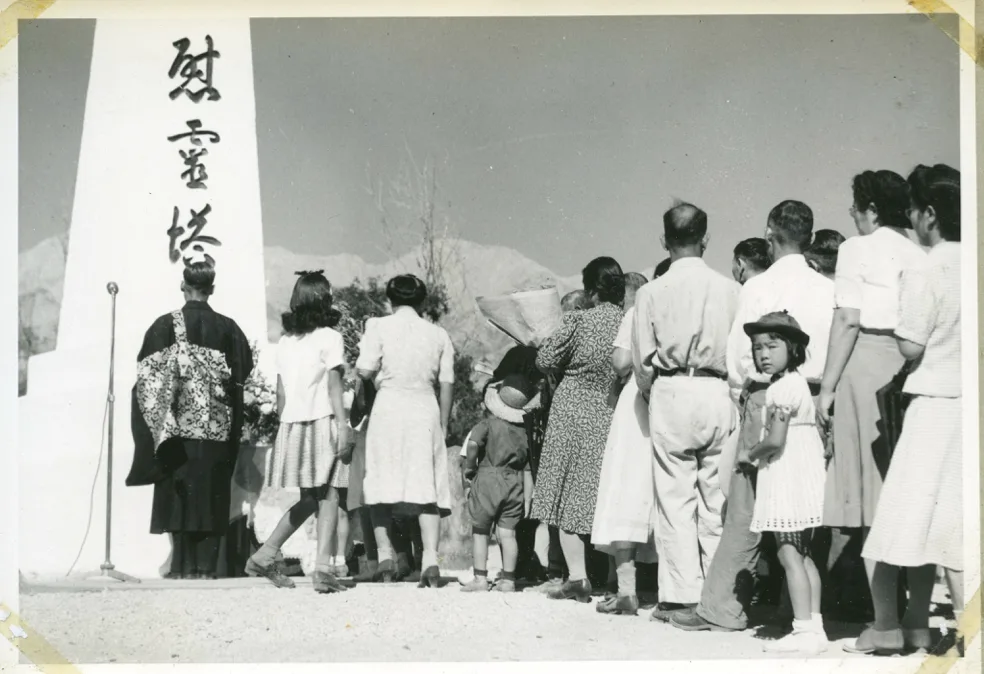
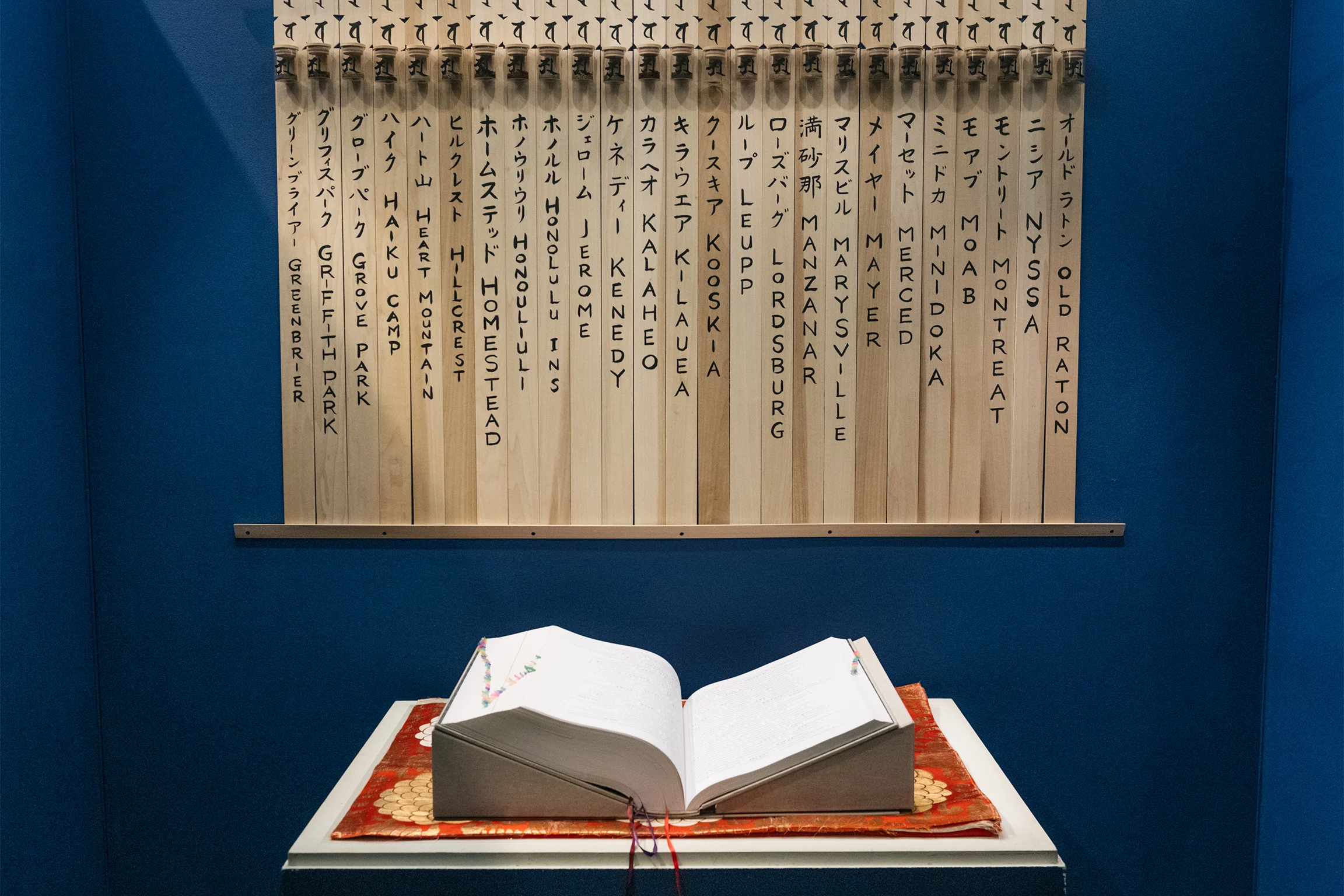
Hosokawa was among hundreds of pilgrims who traveled to Heart Mountain to participate in the ceremonial stamping of the Ireichō, a book with a very specific purpose—to memorialize and remember the more than 125,000 people who were incarcerated by the U.S. government in camps across the U.S. during World War II.
The Ireichō is the first monument of its kind, and part of a multi-faceted project to ensure people remember the wartime incarceration of Japanese Americans and people of Japanese descent.
Heart Mountain was one of the stops on a national tour of the Ireichō that aims to acknowledge every single individual.
“Two-thirds of the people who came to Heart Mountain were US citizens,” says Duncan Ryuken Williams, the USC Professor who is leading the commemorative effort. “Our project is about how do we make sure that every single person who experienced this unjust incarceration is acknowledged.”
In an exclusive look at the pilgrimage, and the stories behind it, Mellon Foundation followed Michael Hosokawa, and descendants Jackie Tono, Ron Yamada, and Merilynn Yamada, as they retraced the steps of their families’ experiences at Heart Mountain.
This film contains an account of sexual violence.
Related
Heart Mountain Wyoming Foundation
Two Boys Bonded in a Japanese Incarceration Camp. Their Friendship Changed Everything.
University of Southern California
A Multimodal Memorial Remembers Japanese American WWII Incarceration
Presidential Initiatives
The Monuments Project
What will tomorrow’s commemorations tell us about America?
Monuments and Memory