The Mineta-Simpson Institute at Heart Mountain
Heart Mountain Wyoming Foundation
Two Boys Bonded in a Japanese Incarceration Camp. Their Friendship Changed Everything.
LocationPowell, Wyoming, United States
Grantmaking areaPresidential Initiatives
AuthorJuhie Bhatia
PhotographyWill Warasila for Mellon Foundation
DateNovember 14, 2025
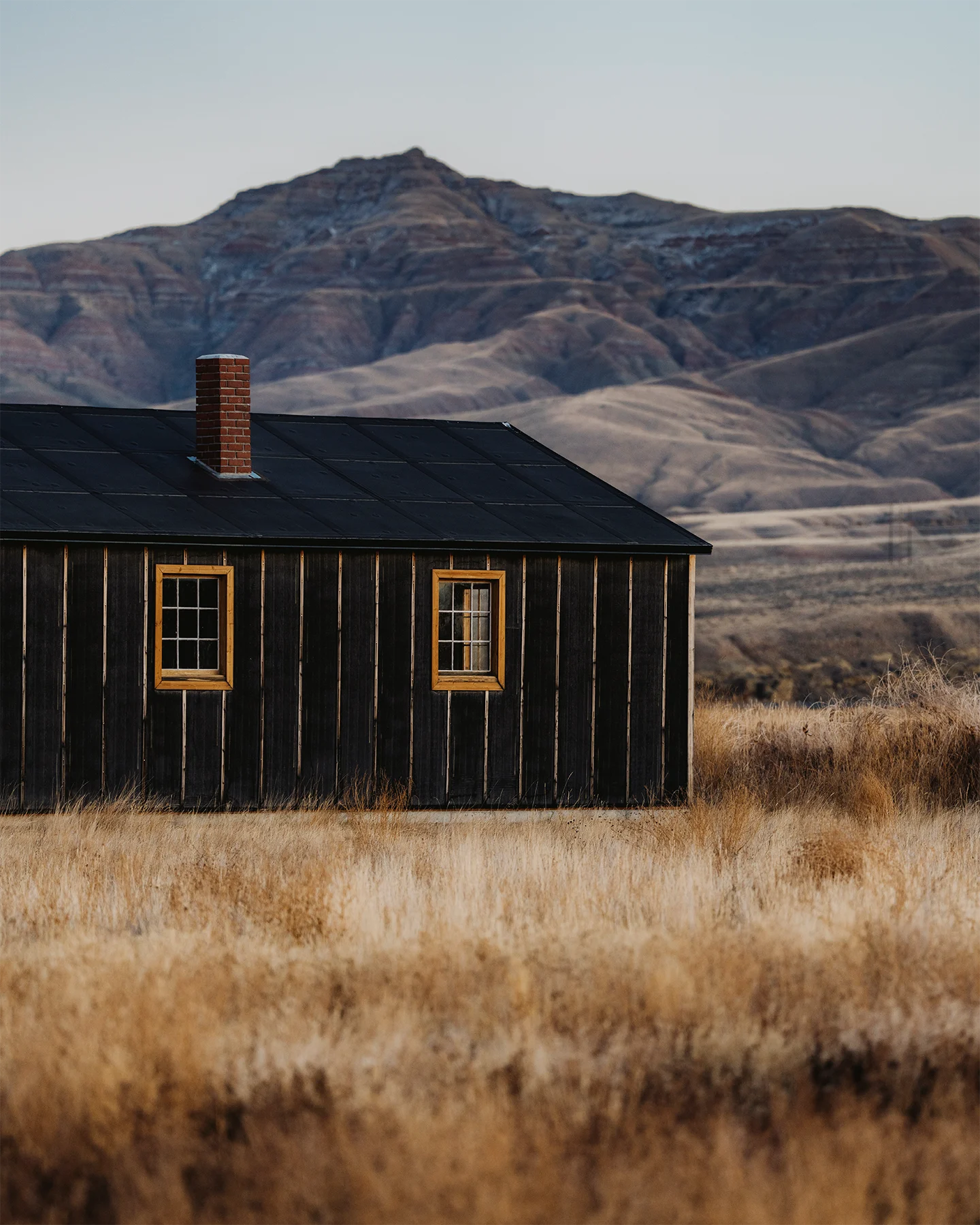
The site had approximately 450 residential barracks. After being moved from Heart Mountain for use as veteran's housing and later a geology field station, a full-length barrack came "home" to the site in 2020.
When Norman Mineta and Alan Simpson first met as children in Northern Wyoming in 1943, they were both Boy Scouts. One of them, however, was a prisoner.
Mineta and his family, all Japanese Americans, were confined behind barbed wire at Heart Mountain incarceration camp. Simpson and his family, meanwhile, lived in nearby Cody, free to roam as they pleased.
Their friendship began after both boys took part in a jamboree organized by their troops’ Scout leaders, who hoped that bringing the kids together at Heart Mountain would help them better relate to each other. Simpson and Mineta were paired to share a pup tent.
“They hit it off immediately. They were both pesky, they had great senses of humor, and they were fast friends. They realized, ‘Oh yes, we have a lot in common’,” says Dr. Aura Sunada Newlin, executive director of the Heart Mountain Wyoming Foundation.
This bond emerged from a dark moment in history. Following Japan’s attack on Pearl Harbor during World War II, fear and suspicion led to approximately 120,000 Japanese Americans, many of whom were citizens, being forcibly removed from their homes and imprisoned by the U.S. government. They were placed in camps, mostly in remote areas of the western United States, including the one at Heart Mountain, which was open from 1942 to 1945. Over those three years, more than 14,000 men, women and children were sent there.
In 1945, Mineta and his family were released from the camp, and they returned to their home state of California. Mineta went on to become a Democratic mayor of San Jose, while Simpson, who stayed in Wyoming, served as a Republican member of the Wyoming House of Representatives. Though the two had lost touch after their one-day Boy Scouts encounter, they reunited some 35 years later and found they had followed strikingly similar paths. Both were now in the US Congress.
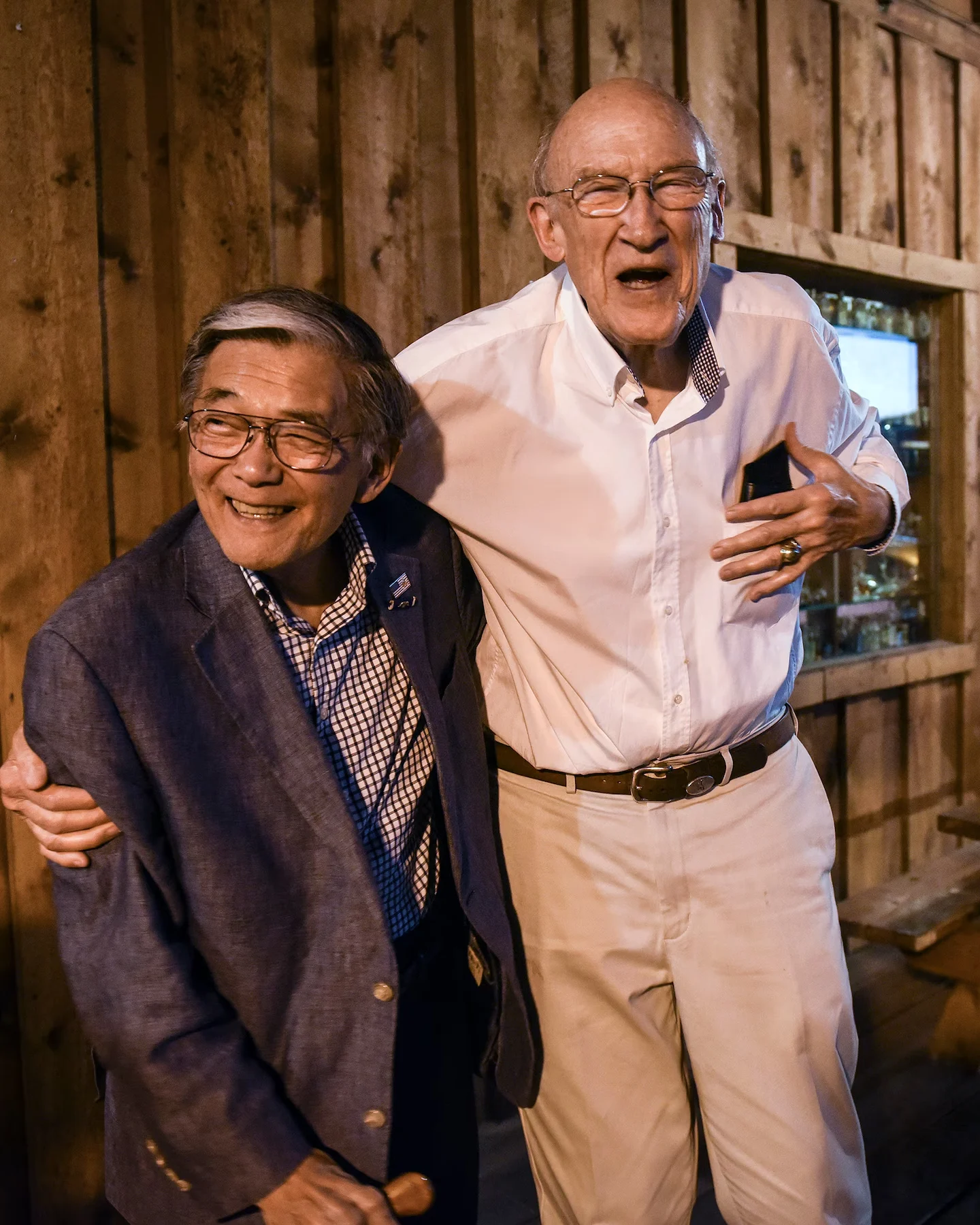
Norman Mineta (left) and Alan Simpson (right) in 2017. Photo by Bill O'Leary/The Washington Post via Getty images.
“We just saw each other and started up right where we were, and always with great good humor and fun. Very genuine affection and love for each other as human beings,” said Simpson in a 2019 interview with The Atlantic.
Mineta, a congressman for 20 years, went on to become secretary of transportation and Simpson served three terms as a Republican senator representing Wyoming. During their long political careers, they became champions for bipartisan legislation, sometimes even working together. In 2018, Mineta told CBS News that the friendship had been a “love affair.”
Building on this spirit, the Heart Mountain Wyoming Foundation opened a new space last summer at the site of the former camp. The Mineta-Simpson Institute, supported by the Mellon Foundation, is a home for retreats, meetings, workshops, and programming that encourages open dialogue, empathy, and cooperation. Crucially, it focuses on civil liberties, social justice, and preserving the history of Japanese American incarceration during World War II. It also has a permanent exhibit on the lives and careers of Mineta and Simpson.
“They have this beautiful story of what is possible in American politics. They came from different political viewpoints. They didn't feel like they had to agree with each other on all matters. They didn't relinquish their political beliefs, but they did not resent or dislike or hate each other because of those political beliefs,” says Newlin. “We wanted to use their model of what is possible and to create a space where we could invite more people to tap into that possibility.”
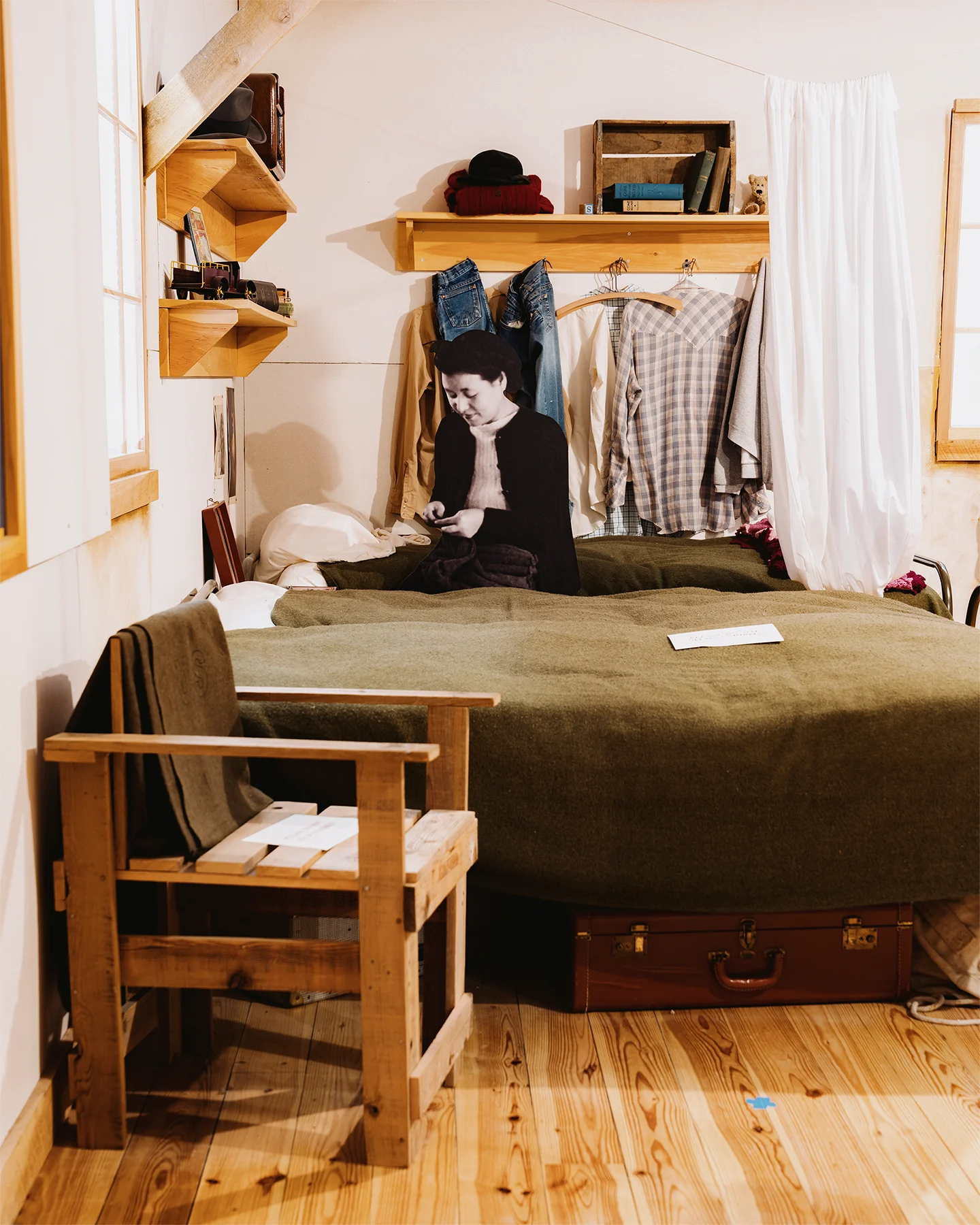
The camp's tarpaper barracks were divided into apartments, some single rooms and others larger to accommodate families. Each unit was furnished with a stove, a single light fixture, and an army cot and two blankets for each person.
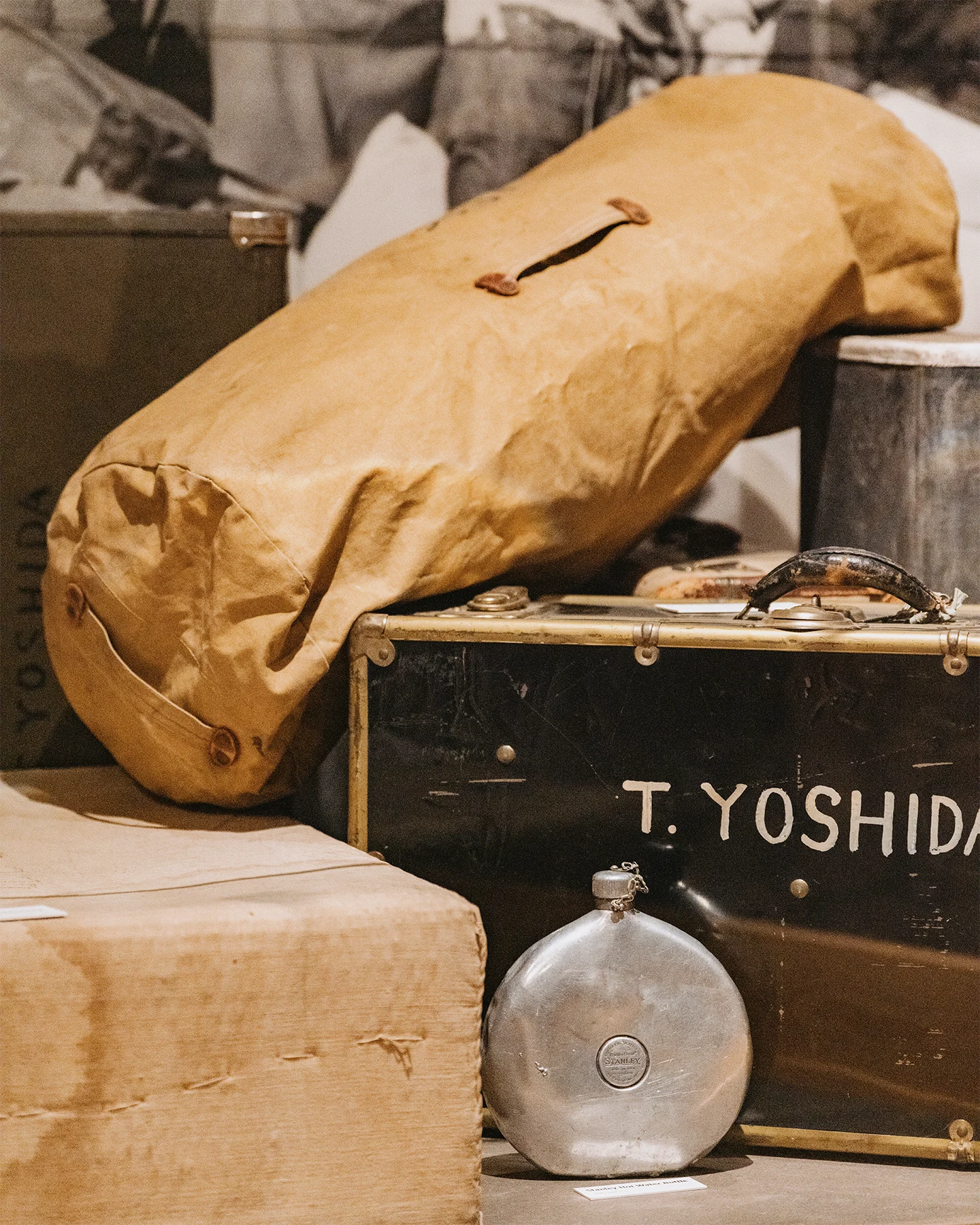
At the camp's peak in January 1943, over 10,000 people were confined there. During the 1,187 days the camp was open, more than 14,000 prisoners passed through.
Another core element of the Heart Mountain Wyoming Foundation’s mission is to shine a light on the experiences of those incarcerated at the camp and current survivors.
“Most people lost everything: Their life savings, their businesses, their homes, their property, their pets. All of that had to be left behind. Most people did not get it back at the end of the war,” says Newlin, whose maternal grandmother's family was incarcerated at Heart Mountain.
Sam Mihara was 9 years old when he and his family arrived at Heart Mountain. The Miharas were given a week’s notice that they’d have to leave their home in San Francisco, and could only bring one suitcase each. With no information about where they were going, they packed for the California weather they knew, a decision they came to regret in the cold Wyoming winters.
At Heart Mountain, Mihara’s family of four, which included his parents and older brother, lived in a small 20-by-20-foot room with four beds. There was no electricity, no running water, and no insulation. During their three years at the camp, his father slowly went blind because no one there knew how to treat his glaucoma.
“It was a bad scene for us, and I'll never forget it because it was such a difficult time,” Mihara says.
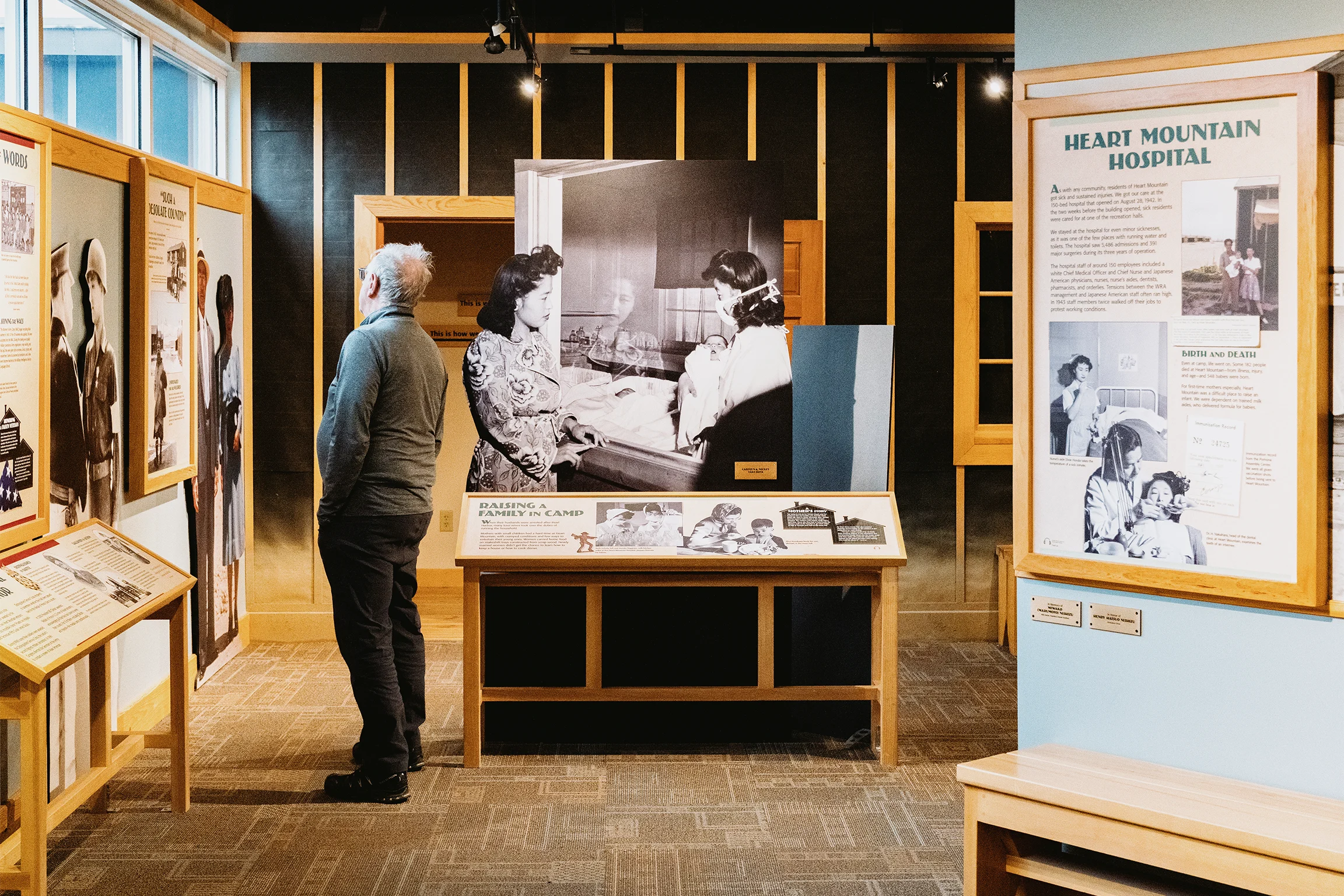
Visitors to Heart Mountain can explore an award-winning interpretive center, original structures, interpretive walking trails, a victory garden, and a memorial honor roll.
The Mineta-Simpson Institute is working to ensure that stories like his are never forgotten. Learning from the past and not being afraid to have tough conversations is key to shaping a different kind of future, Newlin says.
That’s why the institute, which is about an hour from Yellowstone National Park, welcomes tourists and hosts school trips for kids. It also runs workshops to help teachers incorporate lessons from Heart Mountain into their classrooms.
Dr. Ben Labaree, a history teacher at St. Albans School in Washington, D.C., who teaches 11th and 12th graders, joined one of the institute’s educator workshops last summer. He calls it one of the most rewarding professional development experiences in his 30-plus years of teaching. Since then, Labaree has brought much of what he learned about Japanese American incarceration into his World War II course.
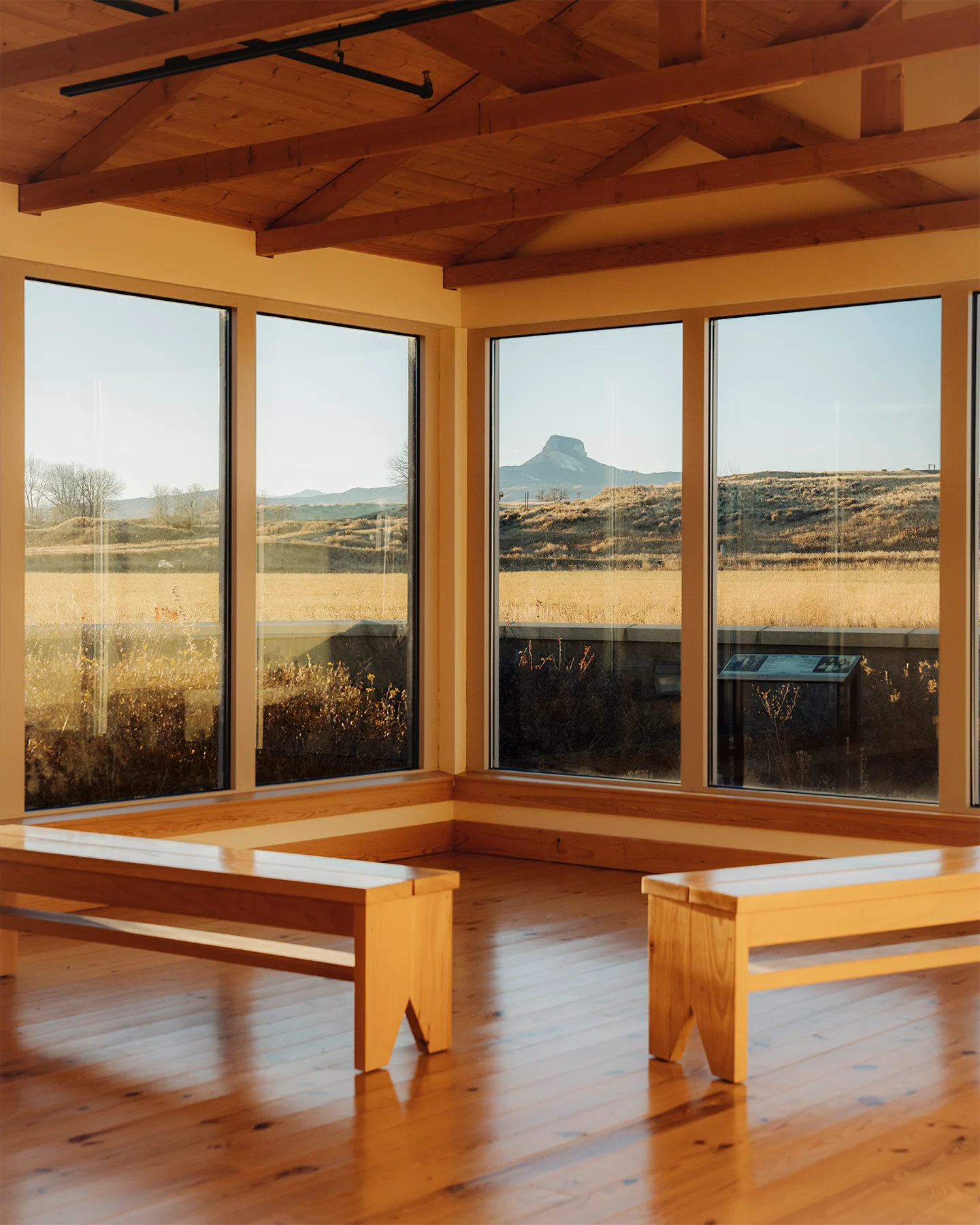
Inside the site’s interpretive center, a reflecting room looks out on the camp’s garden and Heart Mountain in the distance.
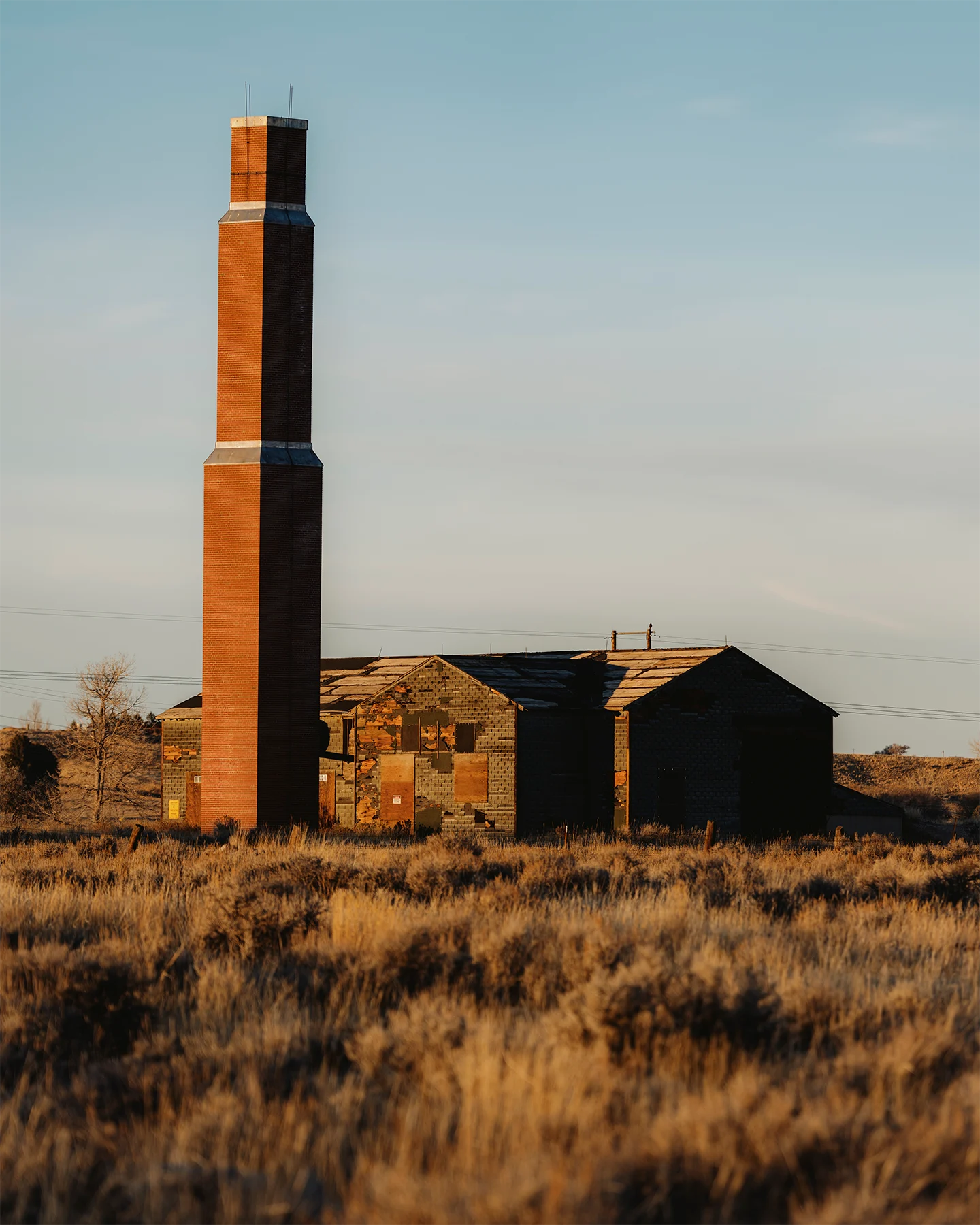
Three buildings remain of what once was a 150-bed hospital complex staffed by Japanese American doctors. The hospital served the camp's medical needs, including delivering 556 babies.
“As a teacher, there is nothing more impactful than ‘place-based’ learning,” he says. “The workshop was particularly effective in teaching us about the lives of those who were subject to incarceration.”
Mihara, now 92, is also playing the role of a teacher these days, though as a former engineer and executive it’s never been his official title.
"The key word is education. The general education in the country doesn’t do a good job of teaching this chapter in our history. I know because I've gone to many schools to give my talks, and people didn't realize such a thing happened,” says Mihara, who shares his story at high schools and colleges across the country.
Along with building awareness of those incarcerated at Heart Mountain, the institute is also working to honor the contributions of other groups with complex ties to the area and to build connections among them. Long before Japanese Americans were put on trains and buses to Heart Mountain, Indigenous peoples were forcibly removed from the land, particularly the Apsáalooke people (Crow Nation). After World War II, the site also became important for local white homesteaders.
Ever inspired by the story of Mineta and Simpson, in 2024 the institute brought together young Japanese American descendants of the camp and Apsáalooke youth who live nearby to spend a few days camping together.
“They came out of that experience the best of friends, realizing that they had more in common than what might separate them,” says Newlin. “It's a beautiful testament to the magic that can happen when you bring people together with intentionality on a site that really matters.”
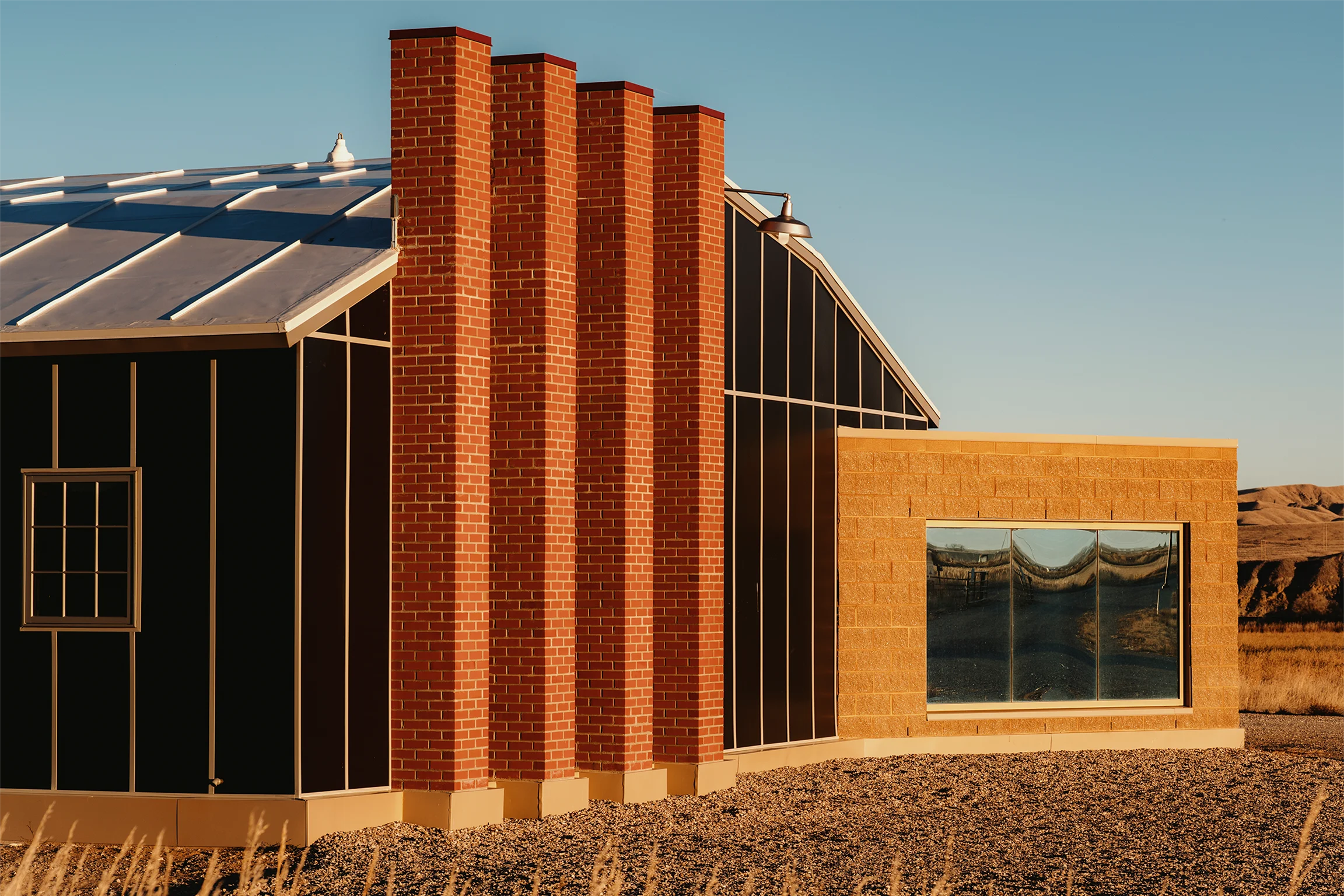
Looking ahead, the institute plans to start hosting leadership workshops and trainings for law, business, and journalism students. The space offers a hopeful vision for the future, especially in an increasingly politically divisive climate, says Newlin.
“It's harder to reach out to somebody who's different and to make friends with them than it is to just stay in our own lanes, but I feel strongly that that's the way forward,” she says. “That's what this space is designed specifically to do, based on the model of Norm and Al.”
Grant insight
Heart Mountain Wyoming Foundation
Heart Mountain Wyoming Foundation was awarded a grant in 2022 through The Monuments Project, a Presidential Initiative.
View grant detailsRelated
Video
“I Didn’t Think I’d See It Again”: Survivors and Descendants Return to Site of Japanese Incarceration Camp
What will tomorrow’s commemorations tell us about America?
Monuments and Memory
Presidential Initiatives
The Monuments Project
How do we expand our “we”?
Multivocality