Fundación Amigos de El Yunque, Inc.
Natural Selections
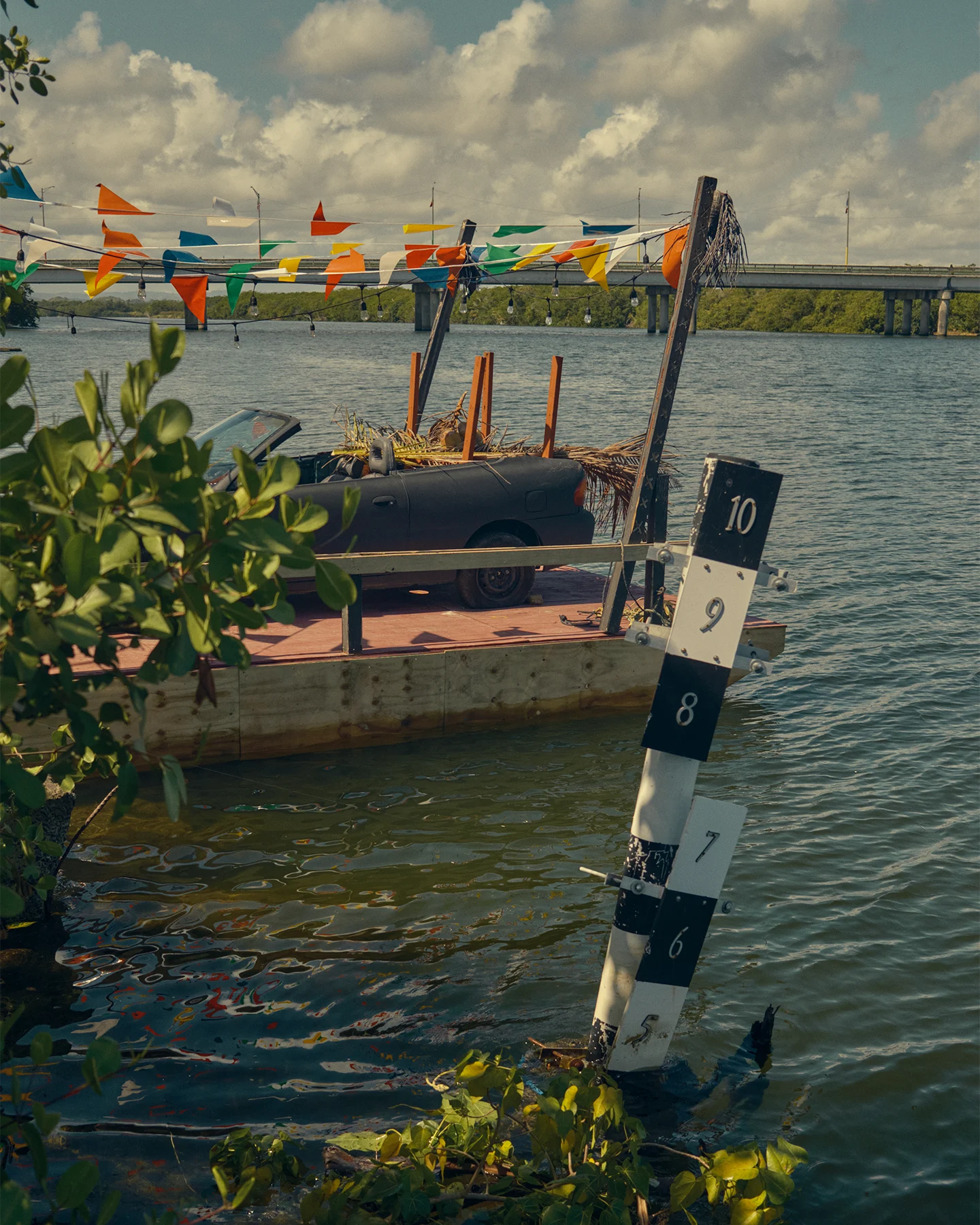
On any given day, the grassroots community center, which is named for the inlet on which it sits, opens its doors to host art exhibitions celebrating Afrodescendent artists, intergenerational culinary demonstrations, or for children to fish along its dock as they have for generations. Standing inside, one can hear the river trickling and the sound of community drum circles.
Owned by the Cortijo family for over 100 years, El Ancón was long known as a station for a human-powered barge that carried people, horses, ox-driven carts, and, eventually, cars, connecting Loíza with Piñones.
El Ancon was the attraction for visitors, remembers Maria Luisa Cortijo. According to collective materials, its earliest riders paid the family 10 cents for passage. Visitors of all ages came to Loíza for its natural beauty, beaches, food kiosks, and more. The barge operations ended in 1986.
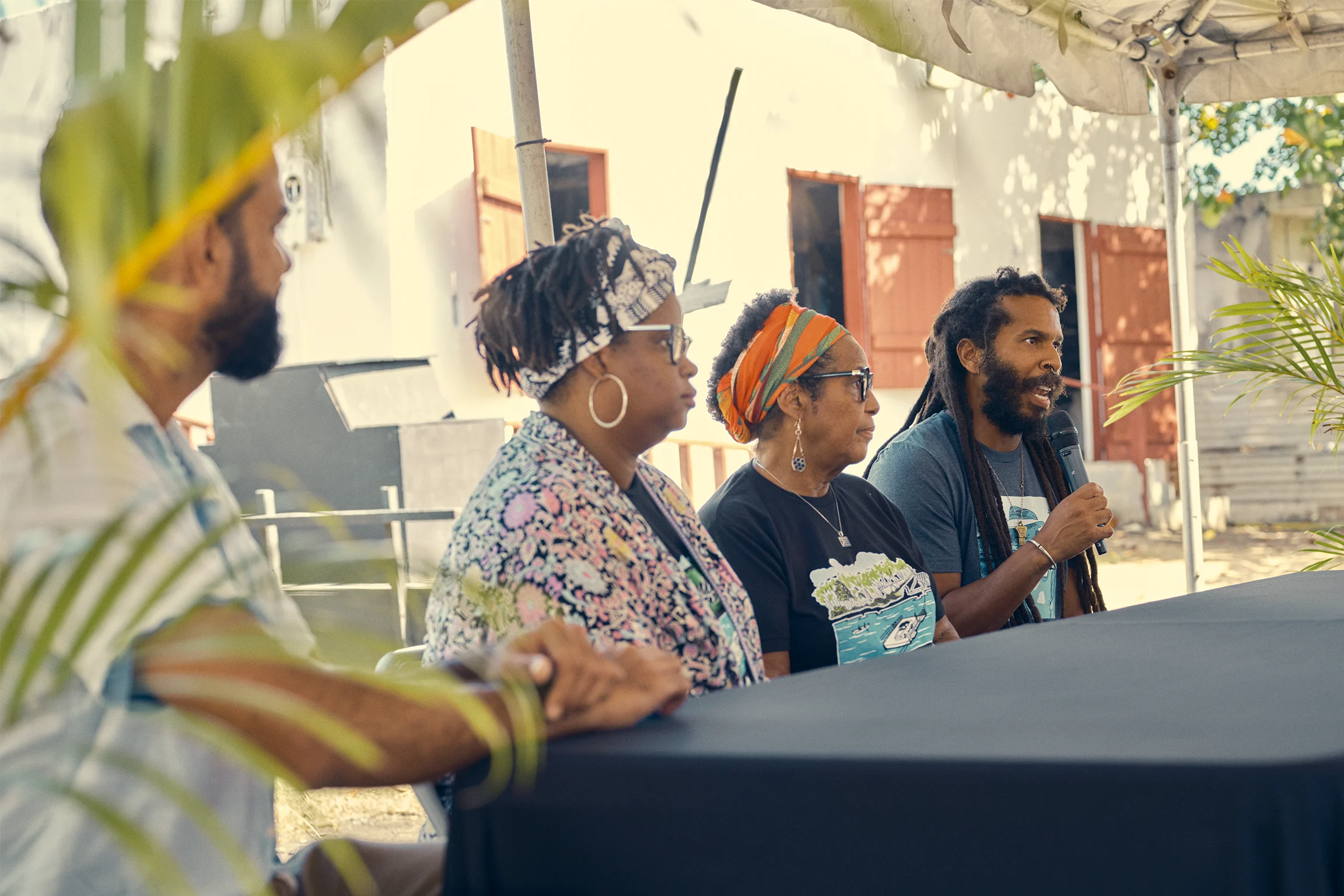
Today, the collective that operates the center includes two generations of Cortijos: Maria Luisa , her artist son, Juan Pablo Vizcaíno Cortijo, in addition to lawyer Andrés Santos Ortiz and other community leaders.
“People don't necessarily know that there is an El Ancón collective—they see it as a family,” says Gloriann Sacha Antonetty Lebrón, a member of the collective and founder and director of étnica—a Puerto Rico-based magazine and multimedia platform.
She says they operate under a matriarchal family structure, with Maria Luisa as president of the non-profit organization. A third-generation elder and a person that the community respects and reveres, Maria Luisa’s work as a shines through the collective’s values and mission.
“The space continues to feel more like family and community than an organized structure,” Lebrón says.
When locals visit the center, Lebrón describes, various memories flood them: they remember being brought to the waterfront as children and riding the barge for the first time, or they might remember the taste of the best rice and oxen they’ve ever tasted and Maria Luisa will proudly boast that dish was her cooking based on her mother’s recipe. As an artist, Juan Pablo has created a simulation of the first barge from 1950 with accompanying video art. Senior members of the community visit to share the history with their families. The barge is a portal of experience communicating the past to future generations.
Lebrón says, “Our greatest attribute as a cultural center is historical reclamation and the curriculum we create to retell the history of El Ancón through our perspective as Afrodescendants.”
Loíza is a major center of the archipelago’s rich African heritage. The town has become known as “La Capital de la Tradición” (Capital of Traditions) for its distinct Afro-Puerto Rican culture, which includes Bomba and Plena music, folk art, and African dishes.
Loíza’s history also holds pain and violence: the Spanish colonized the area in the 16th century, enslaving Indigenous and Africans who were forcibly brought to the island. It is also the site of resistance: people who escaped enslavement from other colonized Caribbean islands settled in Loíza and feed the spirit of grassroots organizing and cultural expression that exists today.
“Loíza is a historical site. Before there was the connection between Loíza and the rest of San Juan, the Taínos [Indigenous people of the Carribbean] had been crossing the river at that same place. It is sacred,” Juan Pablo says.
In the midst of all these cultures and histories, the center plays a pivotal role as a meeting point and a place of safety for Loíza’s Afrodescendants. Through its programming the collective affirms the stories of communities of people who have been overlooked or understudied in Puerto Rico’s history.
Juan Pablo Vizcaíno Cortijo
Artist, Colectivo El Ancón de Loíza Incorporado
“We are cultural workers [and] we are activists. We love our land and our people.”
“We have to protect our spaces, our communities, to the extent that we can, because the laws that protect nature change. In these very uncomfortable and difficult times, we have a legacy and a responsibility to protect the land, for the ancestors who came before us and for the love of our community,” says Juan Pablo.
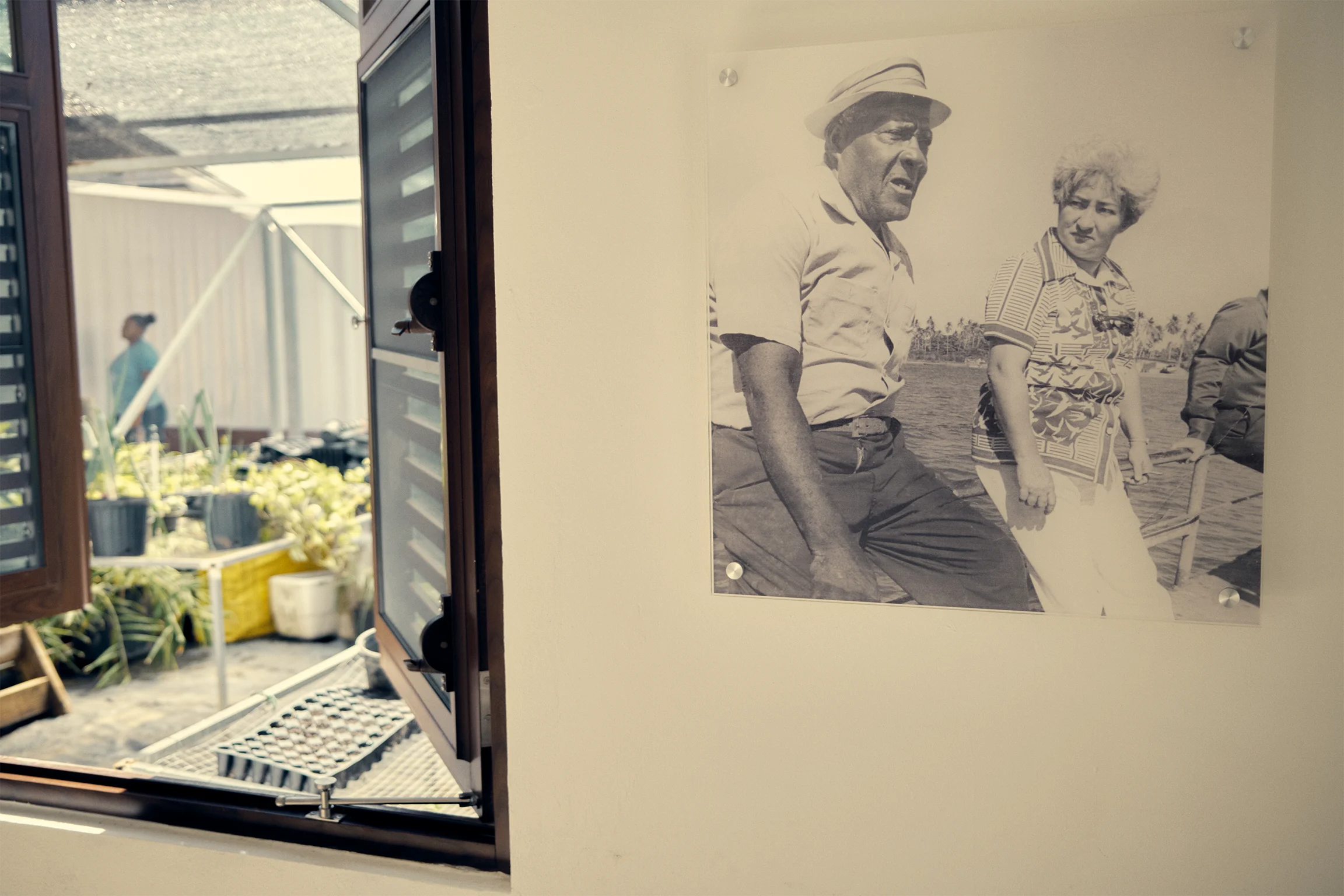
Since 2022, the collective has solidified its dedication to advancing the cultural center by making significant strides in operations, programming, and infrastructure. This year, they converted Maria Luisa Cortijo’s childhood home into Casa Museo Cortijo, filled with archival photographs, artifacts, and historical documentation of El Ancón’s legacy.
Colectivo El Ancón delivers authentic storytelling across Loíza and beyond, reconsidering how to incorporate the voices of the three living generations of the Cortijo family, integrating new technologies into the museum, and continuing the legacy of education and self-determination that is so central to the spirit of the sacred meeting place along the river.
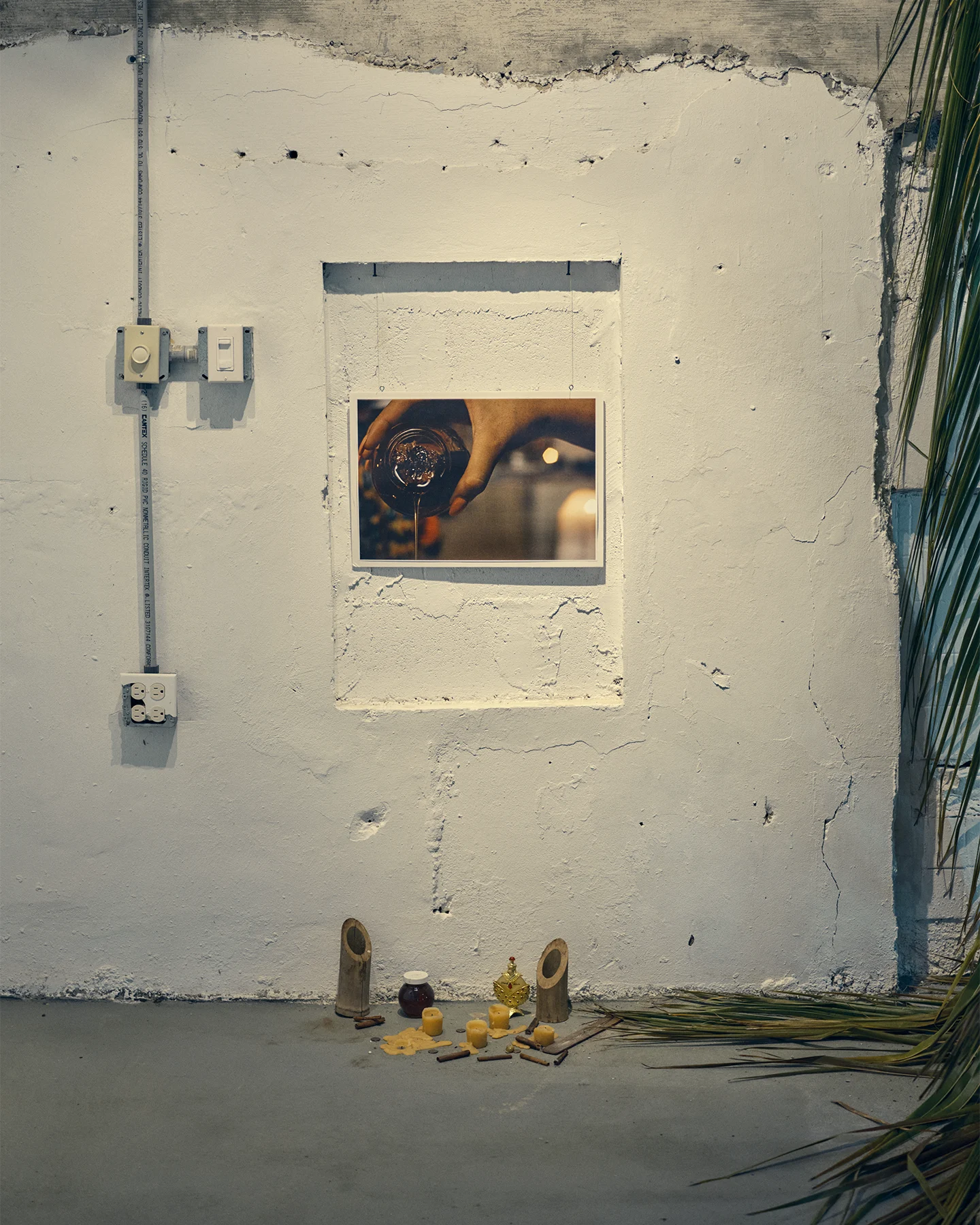
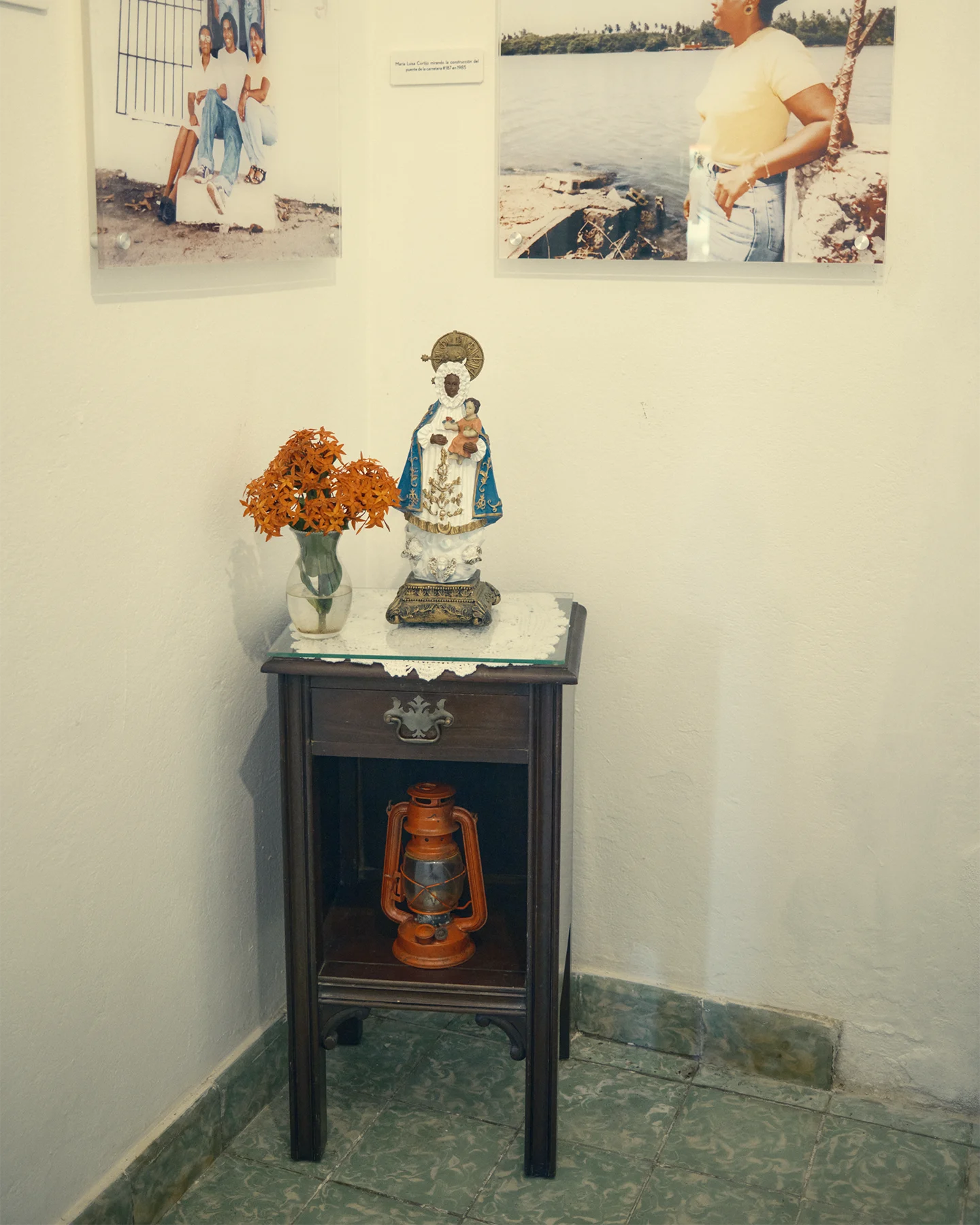
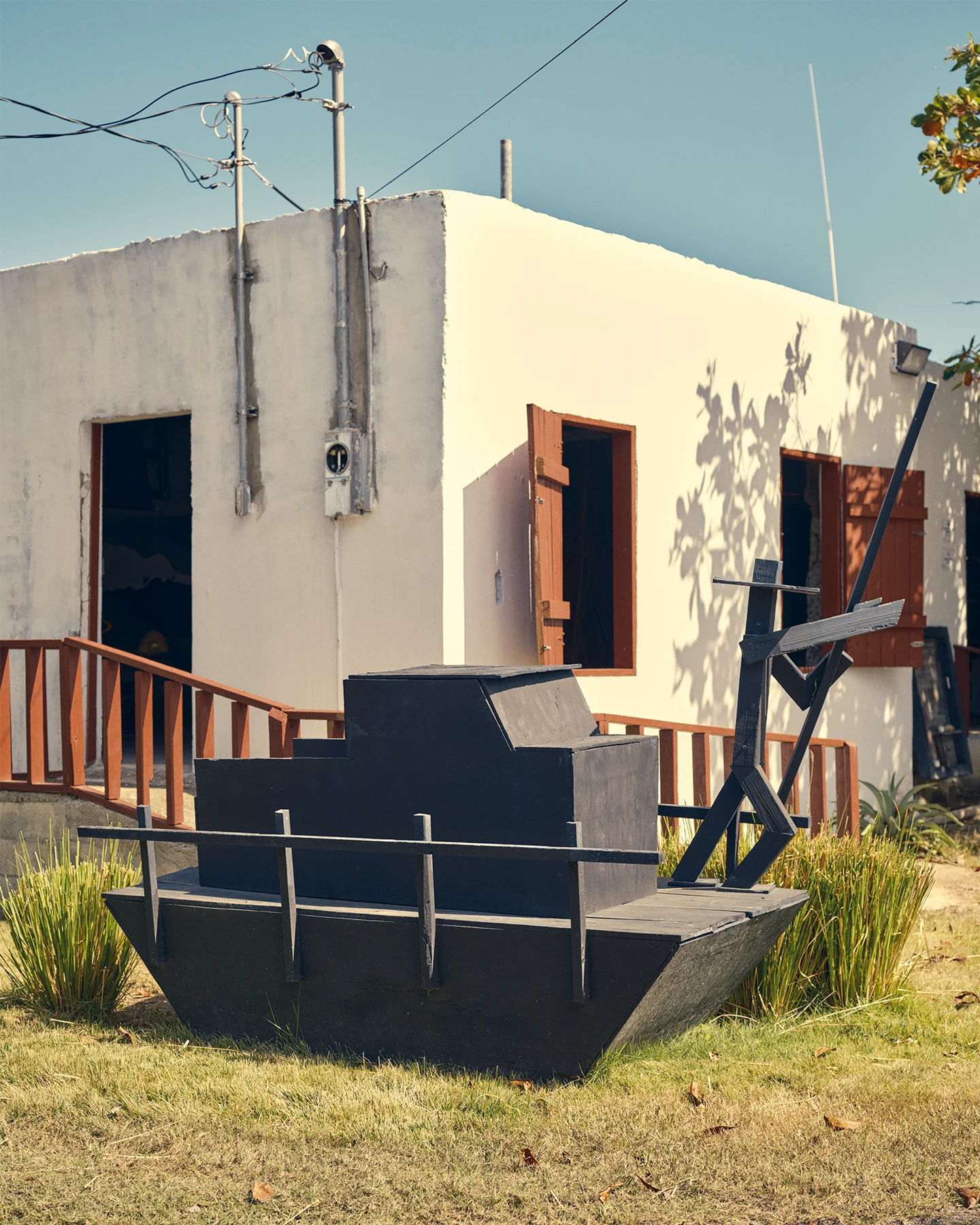
Today, El Ancón is more than a barge; to locals it’s a deep ecosystem of culture and resources that a community upholds to resist the social and economic forces and pressures that exist.
The collective launched an agroecology program that trained people to farm independently and grow food for their own communities. In collaboration with local fishery and restaurant Pescadería Brisas del Río, Colectivo El Ancón also developed water education programs with a marine biologist and taught youth how to fish and catch crabs off the riverbeds. The two organizations hope to bring back what was once a celebrated activity along the river that also provided nourishment for the community.
Members of the collective say they hope to design and fabricate a new human-centered barge to attract visitors to Loíza’s historic center, ultimately creating a cultural destination with an anti-racism perspective to teach about the rich local history and traditions. This would also provide much-needed economic development for the area’s small social and creative enterprises.
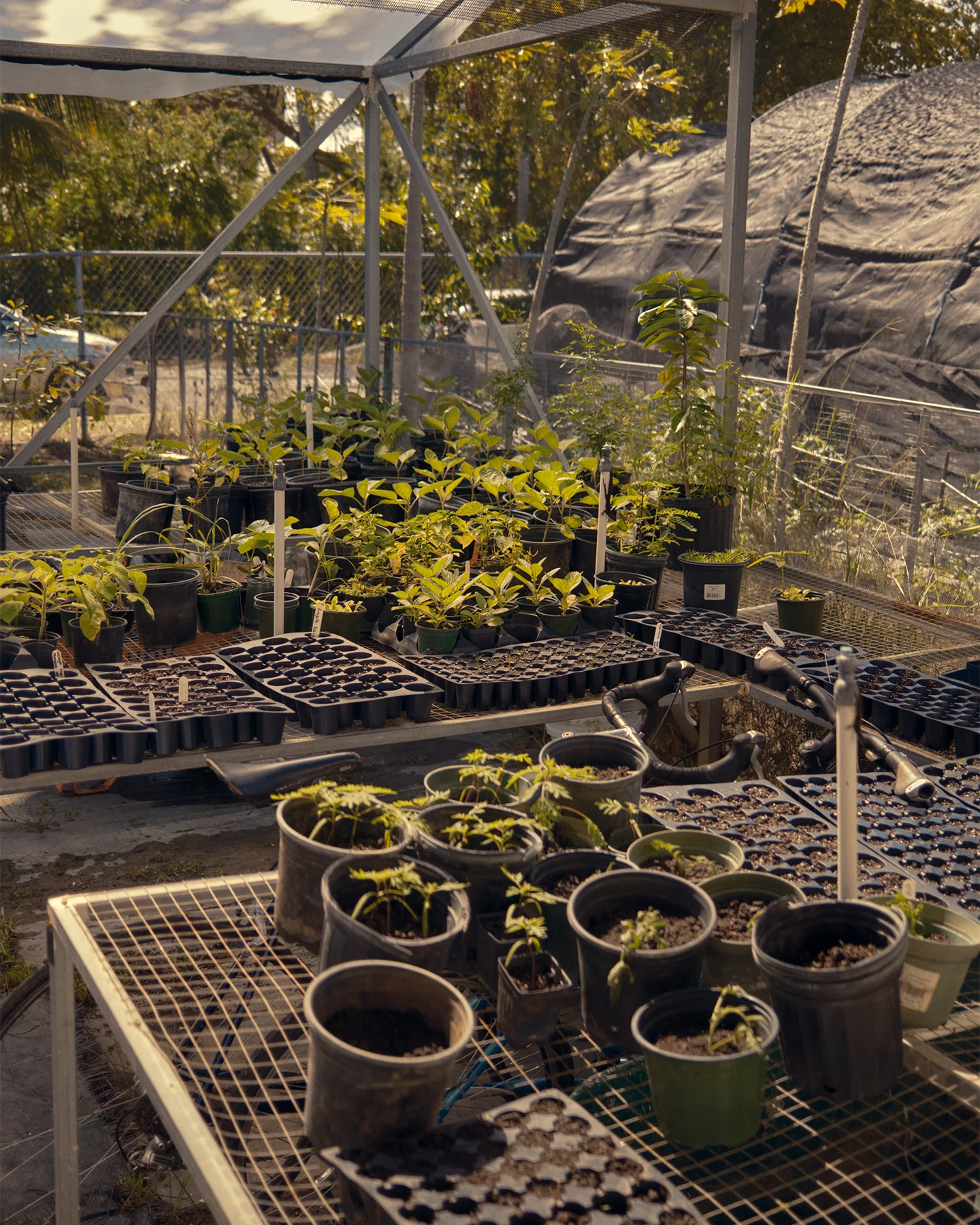
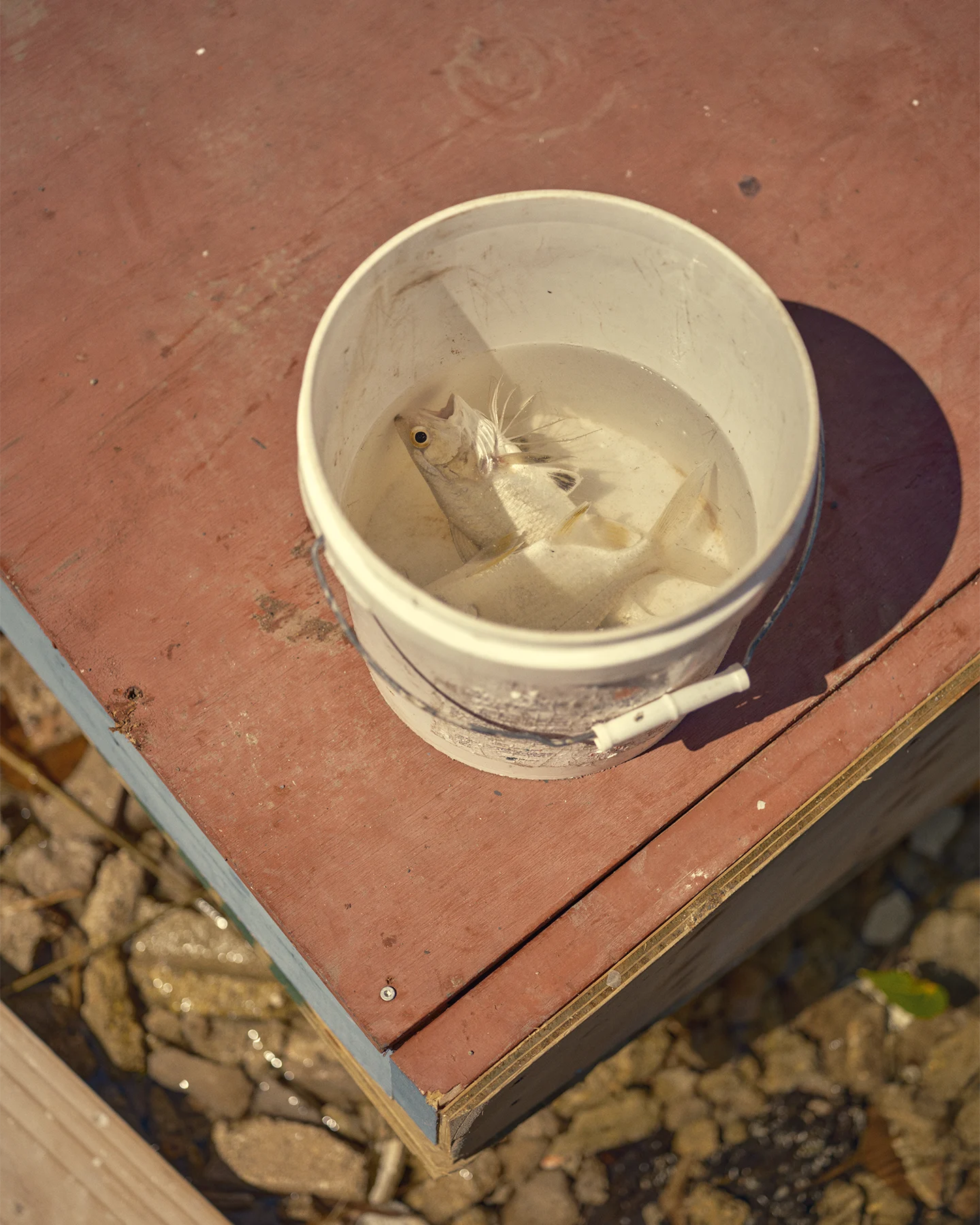
As the collective’s remit continues to evolve, its members express resolve for the original mission of El Ancon.
“We are cultural workers [and] we are activists. We love our land and our people,” says Juan Pablo. “We have been defending our communities and beaches from excessive development and impacting the community with the commitment to address challenges faced.”
Grant insight
Colectivo El Ancón de Loíza Incorporado
Colectivo El Ancón de Loíza Incorporado received a grant of $700,100 in December 2022 through Mellon's Presidential Initiatives grantmaking.
View grant details