Acción Latina
Local News and Street Art: Inside El Tecolote’s Community Archives
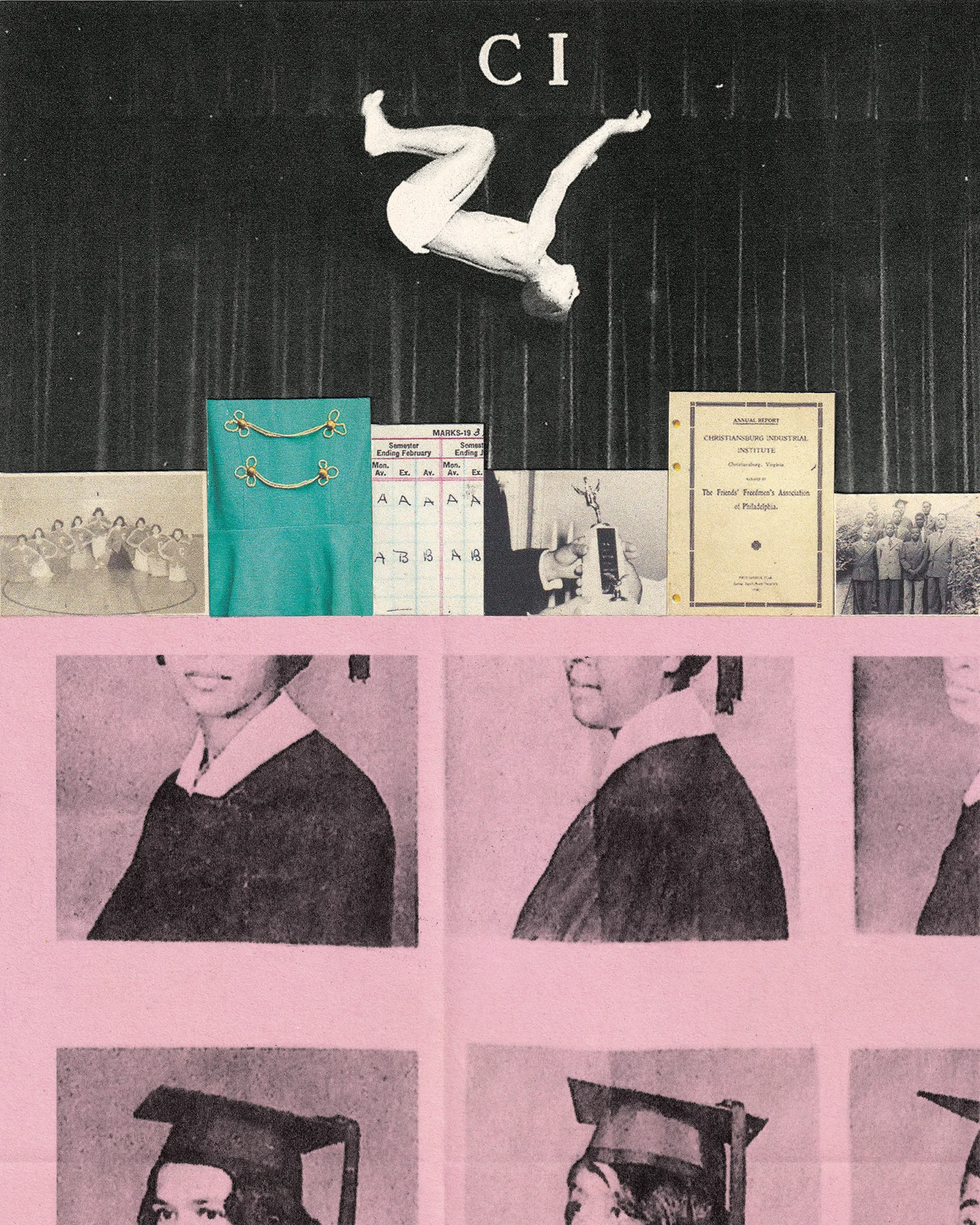
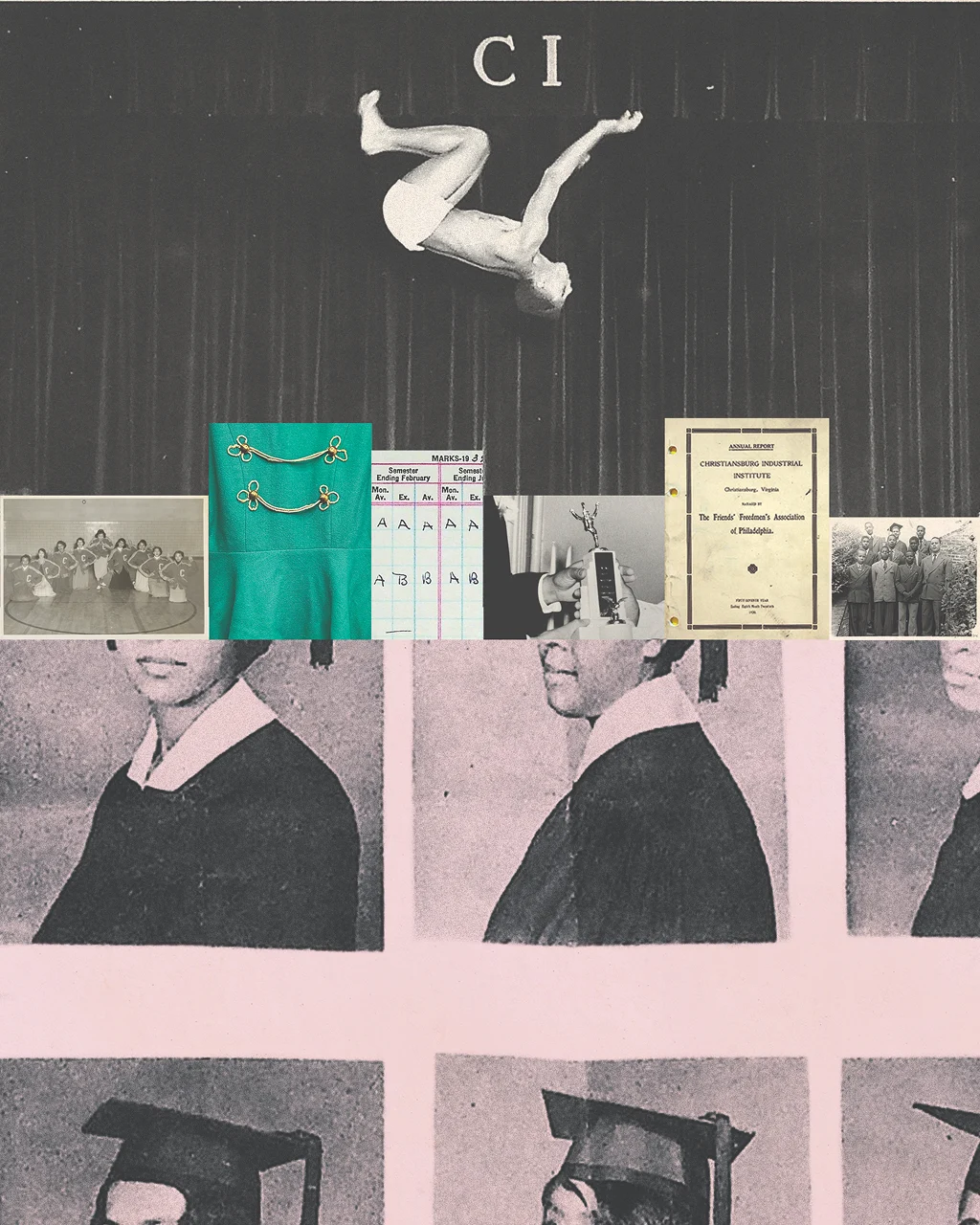
CII alum Amanda DeHart (’42) returned to CII to teach cosmetology classes a decade after graduating. Elaine Dowe Carter (’48) graduated at age 14 as her class valedictorian. Gladys Sokolow (’53) traveled 70 miles round-trip each day to receive a CII education. Jacqueline Eaves (’64), the daughter of two CII alumni, sought to honor her family’s legacy.
Their personal collections—photographs, documents, and keepsakes—would become the foundation of CII’s archives.
“The archives took shape informally in the late 1970s, when alumni began gathering records, documents, photographs, and artifacts from their alma mater,” explains Chris Sanchez, executive director of Christiansburg Institute, Inc. (CI, Inc.), which ongoingly preserves and advances the school’s history while also documenting the broader African American experience in Southwest Virginia.
“By 2017, the vast majority of artifacts were stored off-site in two disorganized storage units. In 2020, the collections were rehoused, catalogued, described in finding aids, and digitized,” he adds.
Today, the Christiansburg Institute Museum and Archives (CIMA), operated and managed by CI, Inc., houses thousands of materials—uniforms, yearbooks, report cards, class photographs, school newspapers, and diplomas—spanning from 1854 to 2012. These objects tell the stories of CII, as well as the stories of the families and communities that supported it.
CIMA situates the experiences of CII students within the larger history of African Americans throughout rural Appalachia, tracing narratives from emancipation through the Civil Rights era. Digital projects such as historical tours and digital exhibits draw on archival materials to illuminate periods of slavery, racial segregation, and educational resistance. They highlight both the obstacles and achievements of local Black communities.
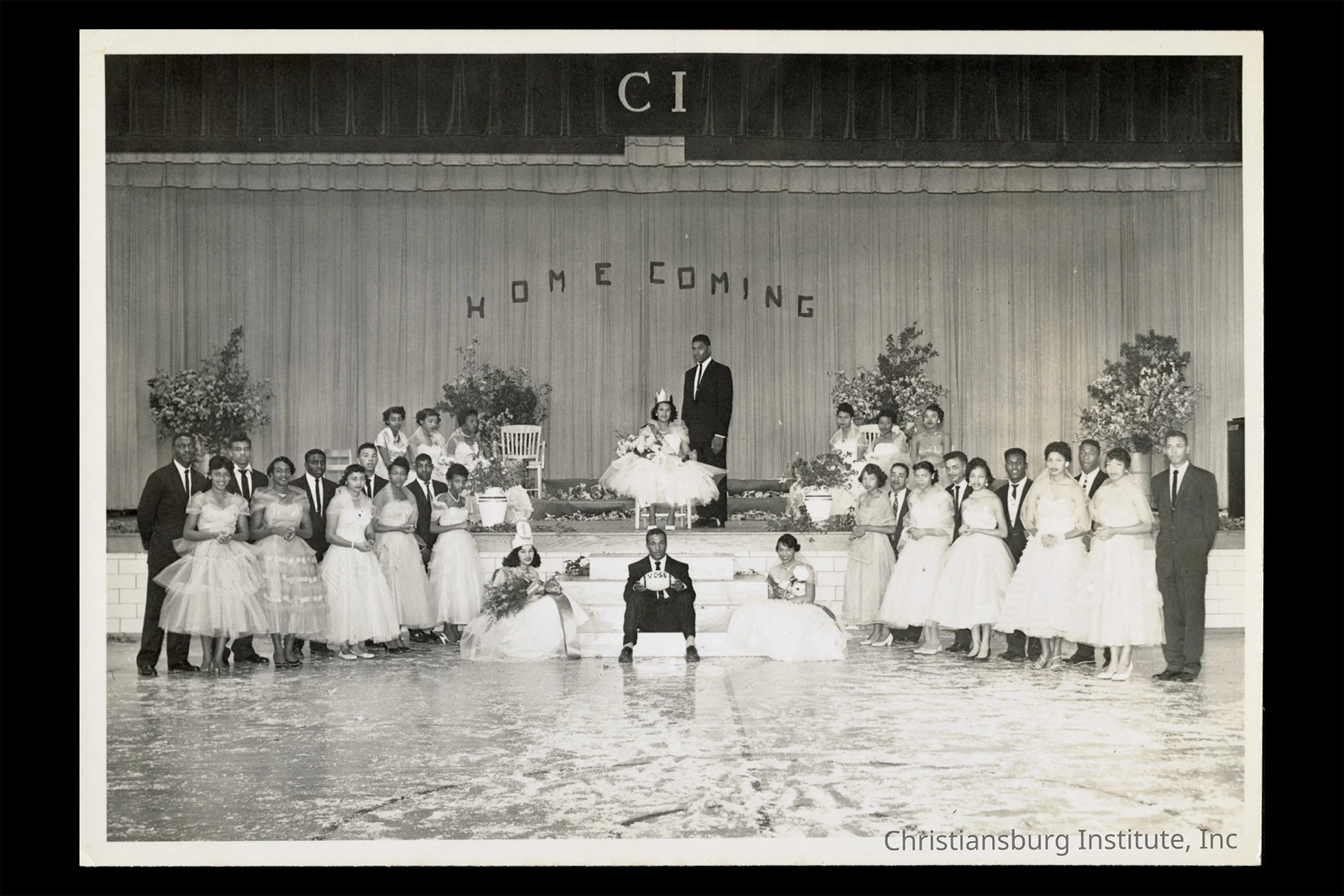
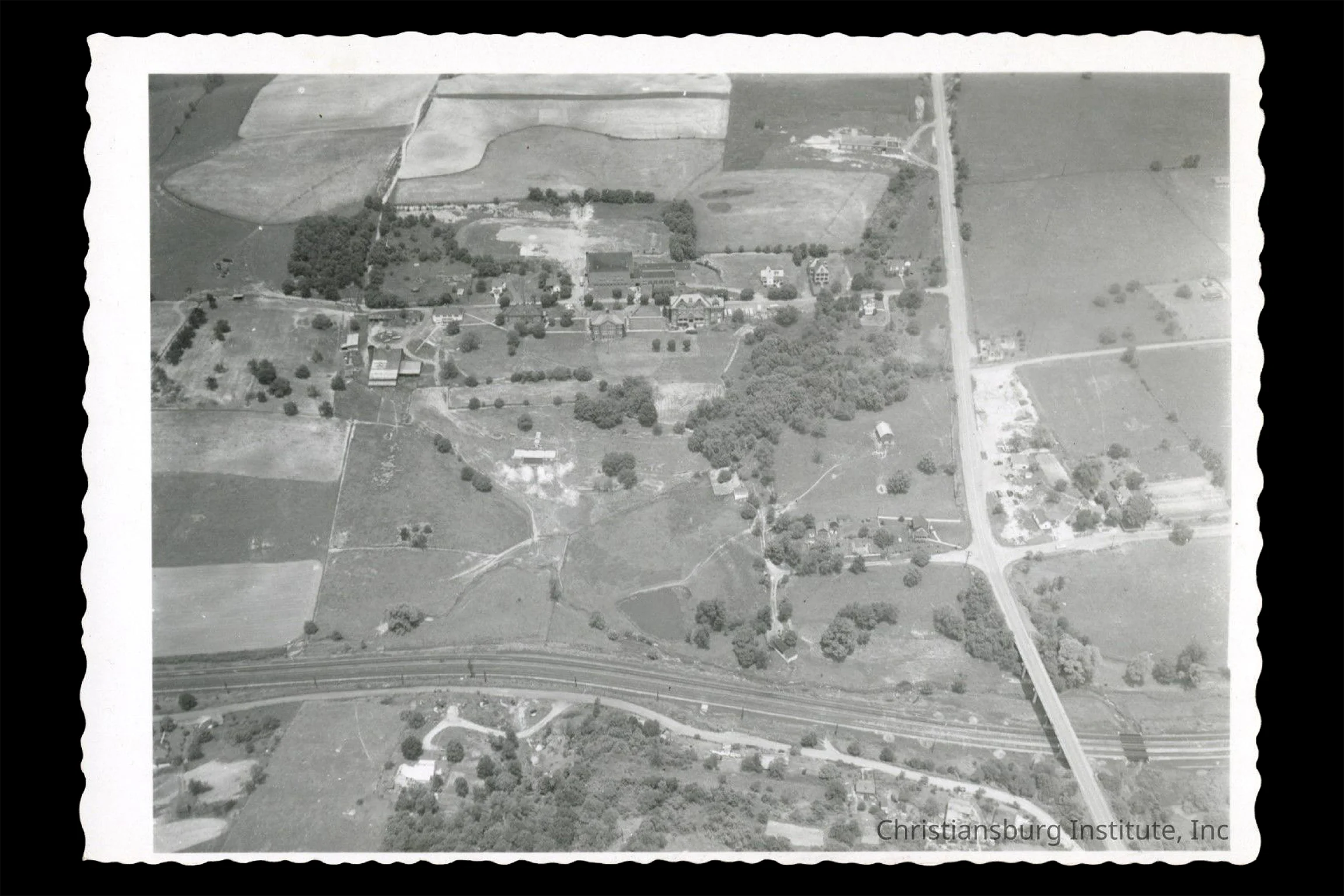
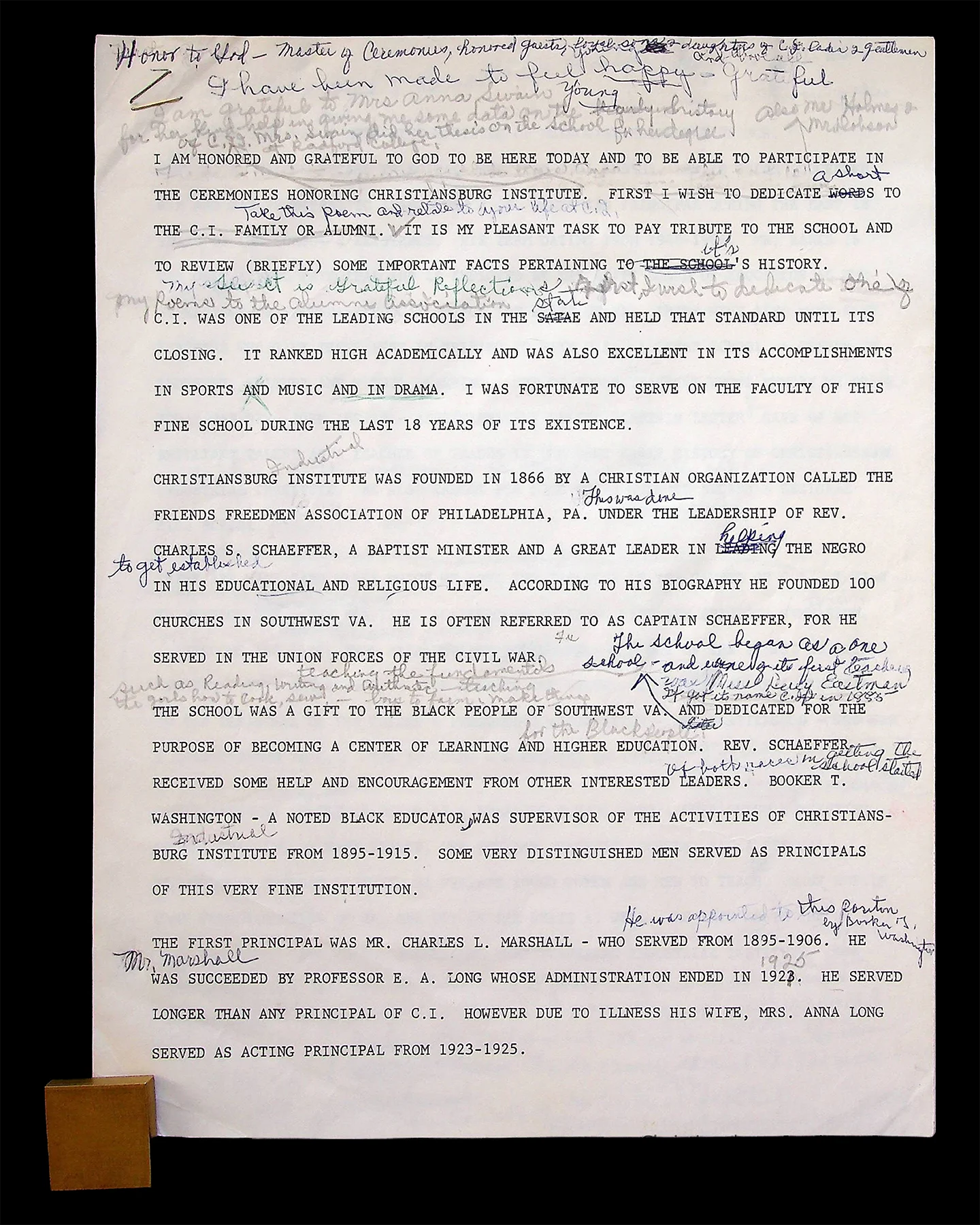
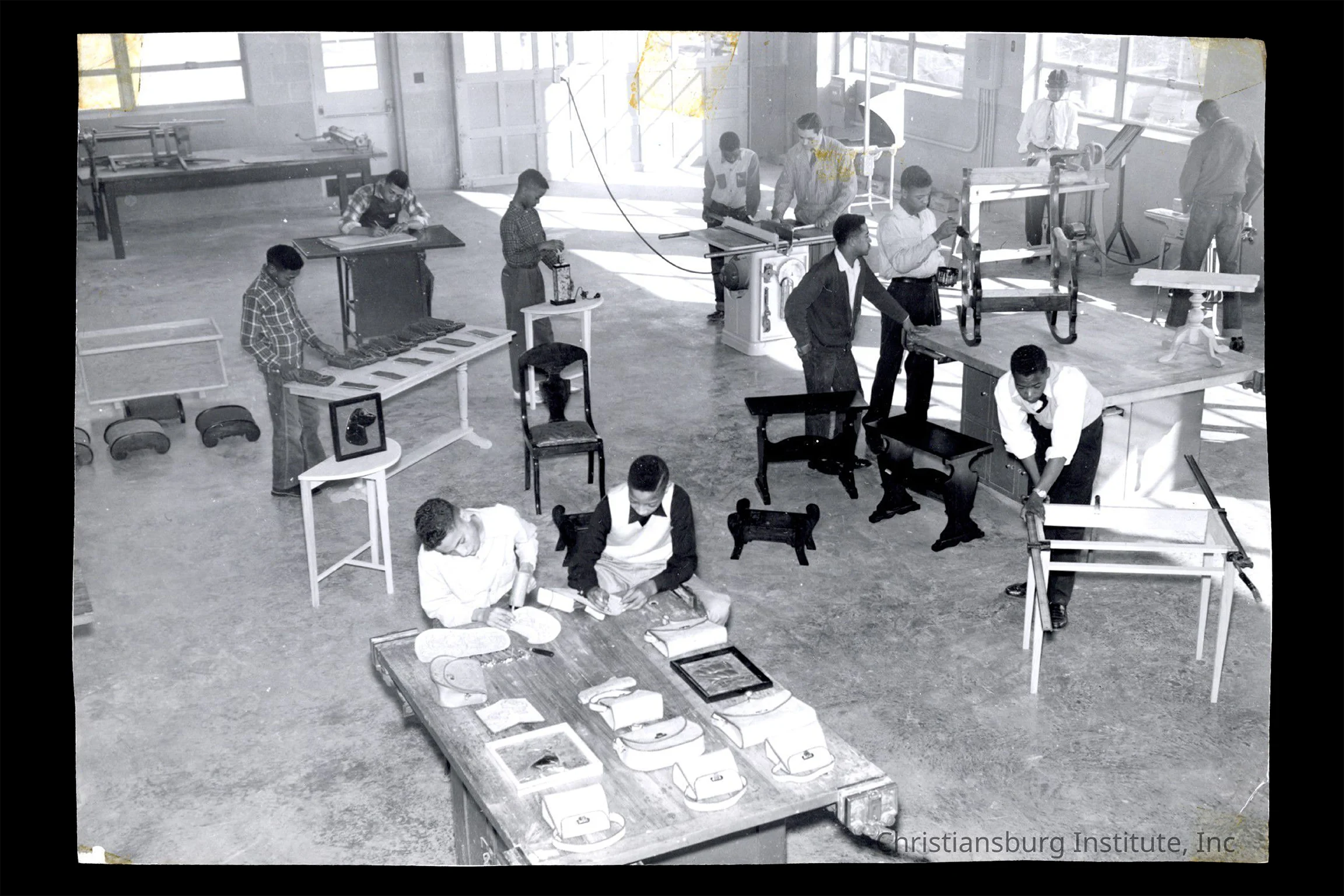
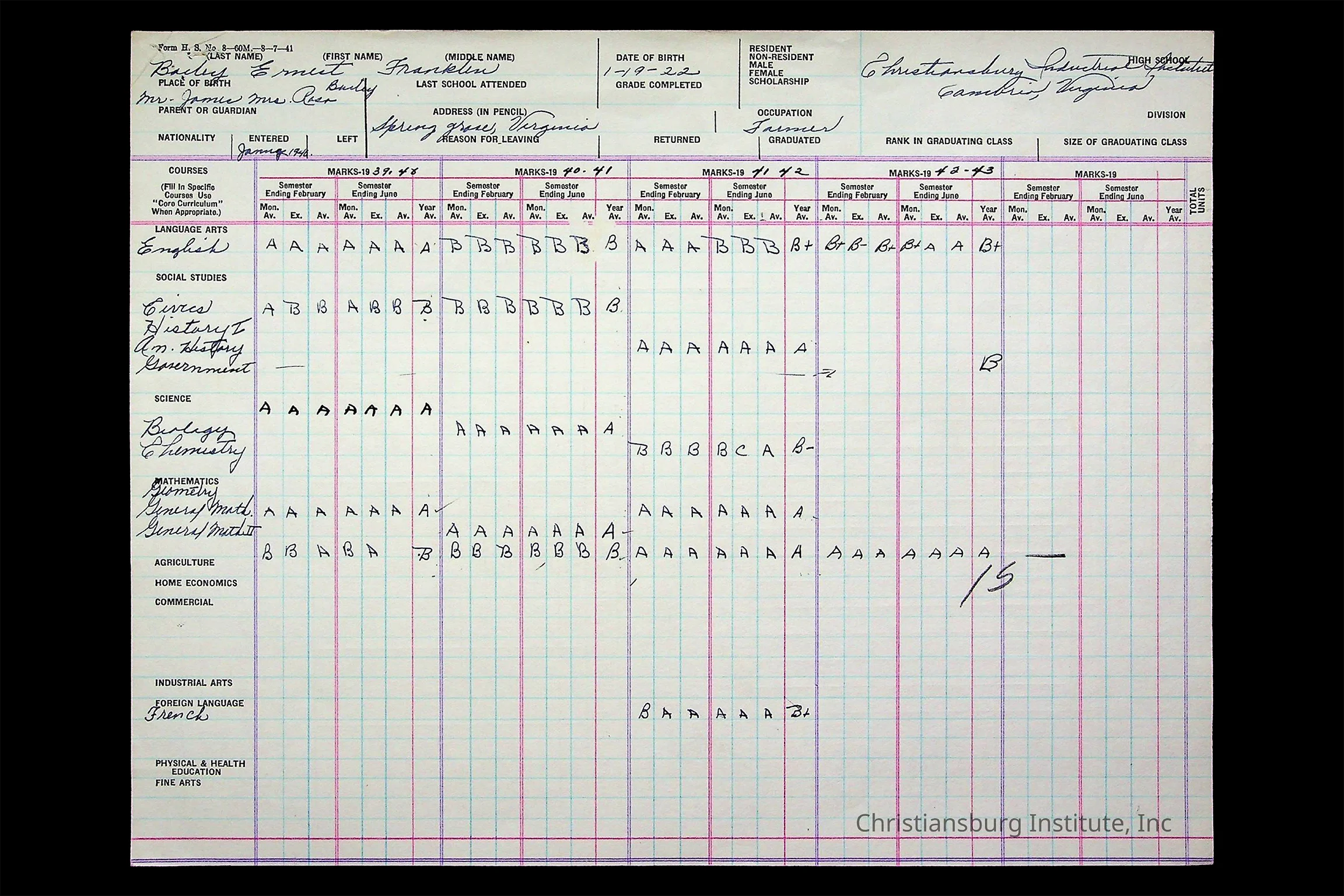
For Sanchez, the archives’ mission extends beyond preservation. “CIMA is paramount to recentering a more nuanced and truthful account of United States history,” he says. “One that challenges dominant narratives that still disenfranchise Black voices in the telling of Black history.”
To uplift the voices of local Black residents, community governance is central to the archives’ work. According to Sanchez, “CIMA ensures that community members are directly involved in how its collections are cared for, interpreted, and shared.” The Christiansburg Institute Descendants Committee holds final authority over exhibition curation, and alumni and descendants continue to serve on the organization’s Board of Directors, ensuring the archives remains rooted in the perspectives of CII's students and their families.
As an archive built for and by the community it represents, CIMA sustains not just the historical record but also the memory, pride, and resilience of generations.
“My vision for CIMA is that it will always serve as a place where notions of truth are explored,” Sanchez says. “Where curiosity is sharpened, directly impacted voices are centered, and the interpretation and preservation of Black history is meaningfully empowered.”
Grant insight
Christiansburg Institute, Inc.
Christiansburg Institute was awarded $100,000 in December 2021 and $100,000 in March 2026 through Mellon’s Public Knowledge grantmaking area.
View grant details