Women in Dialogue
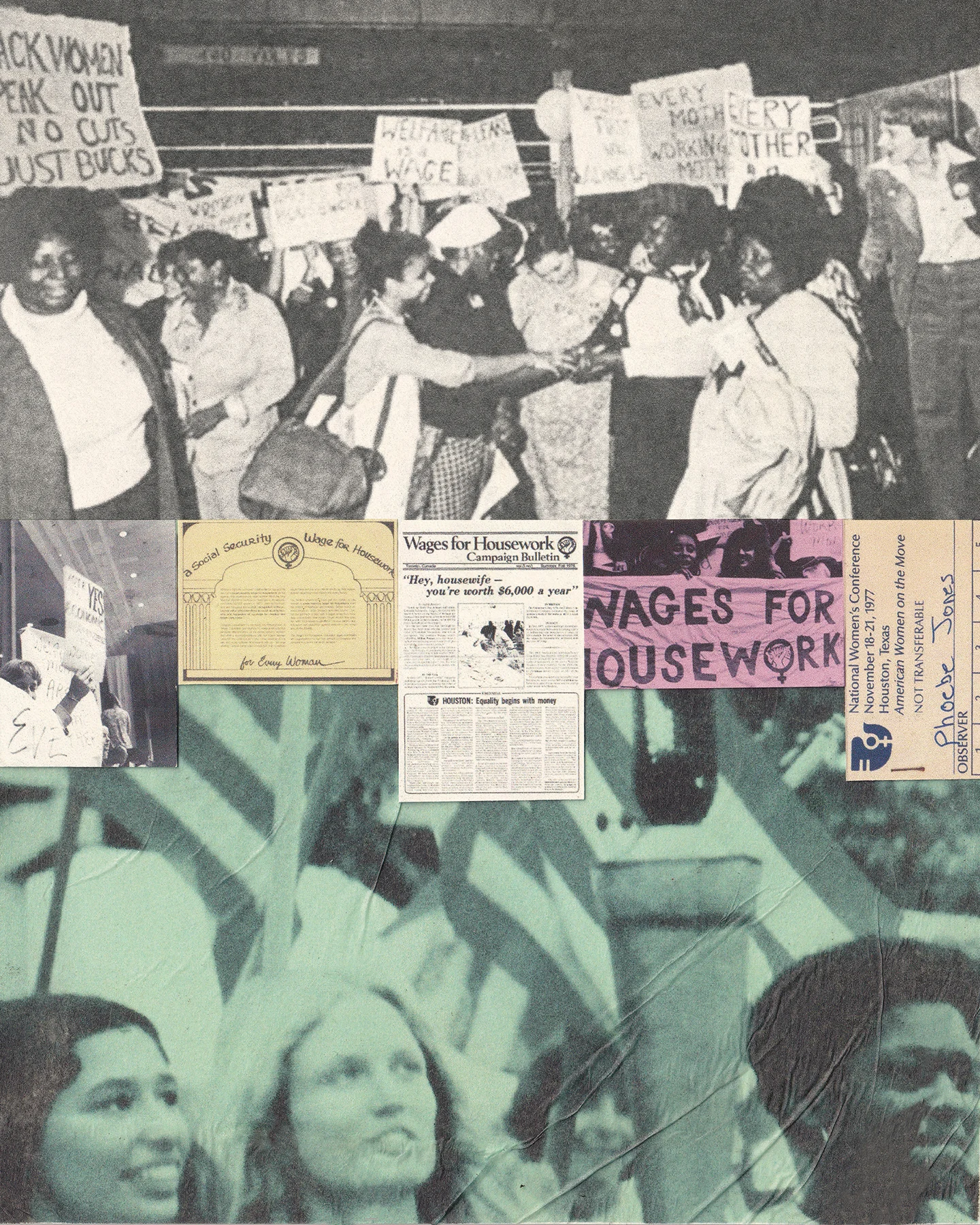
Protest Banners and Strike Demands: Inside the Wages for Housework Community Archives
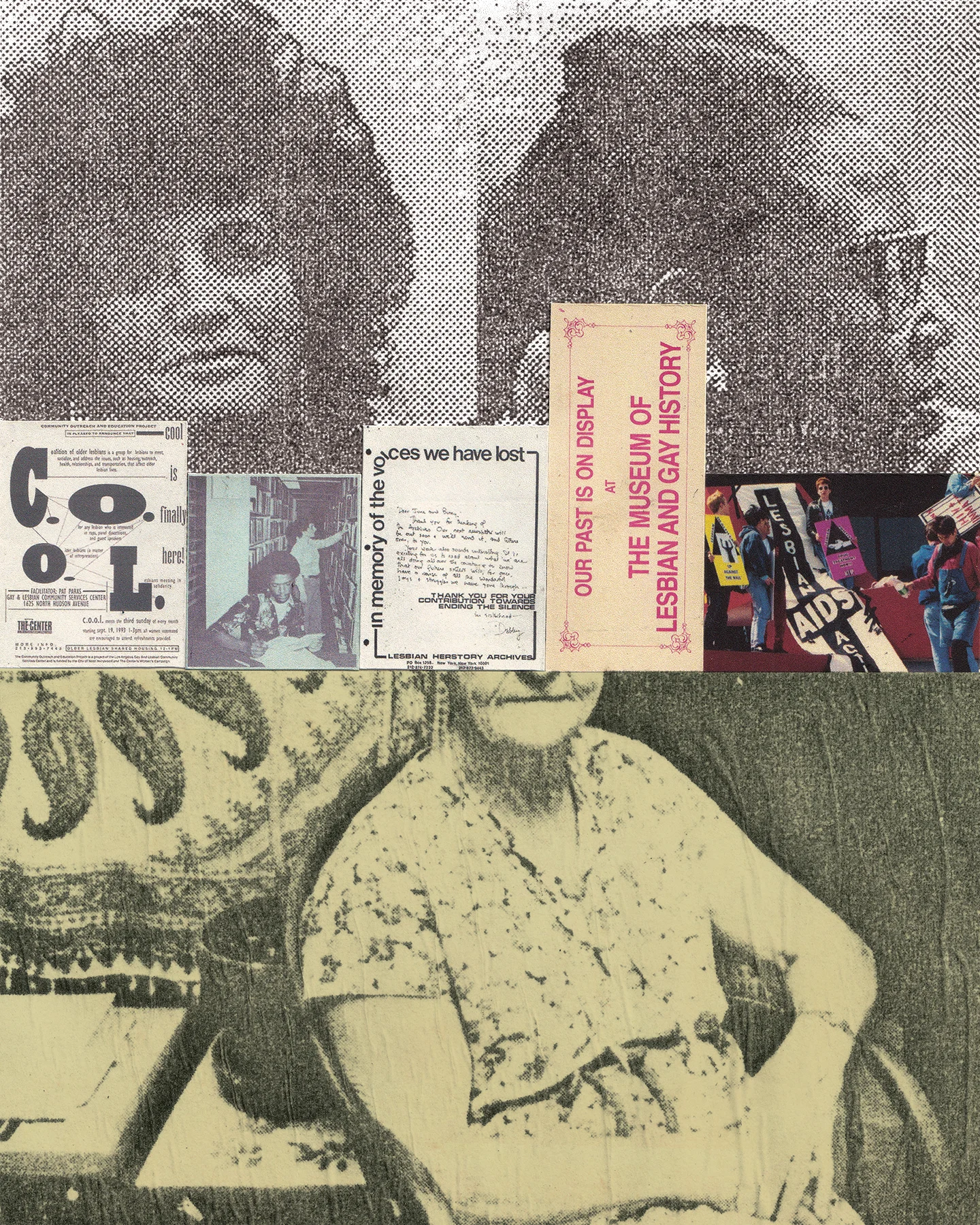
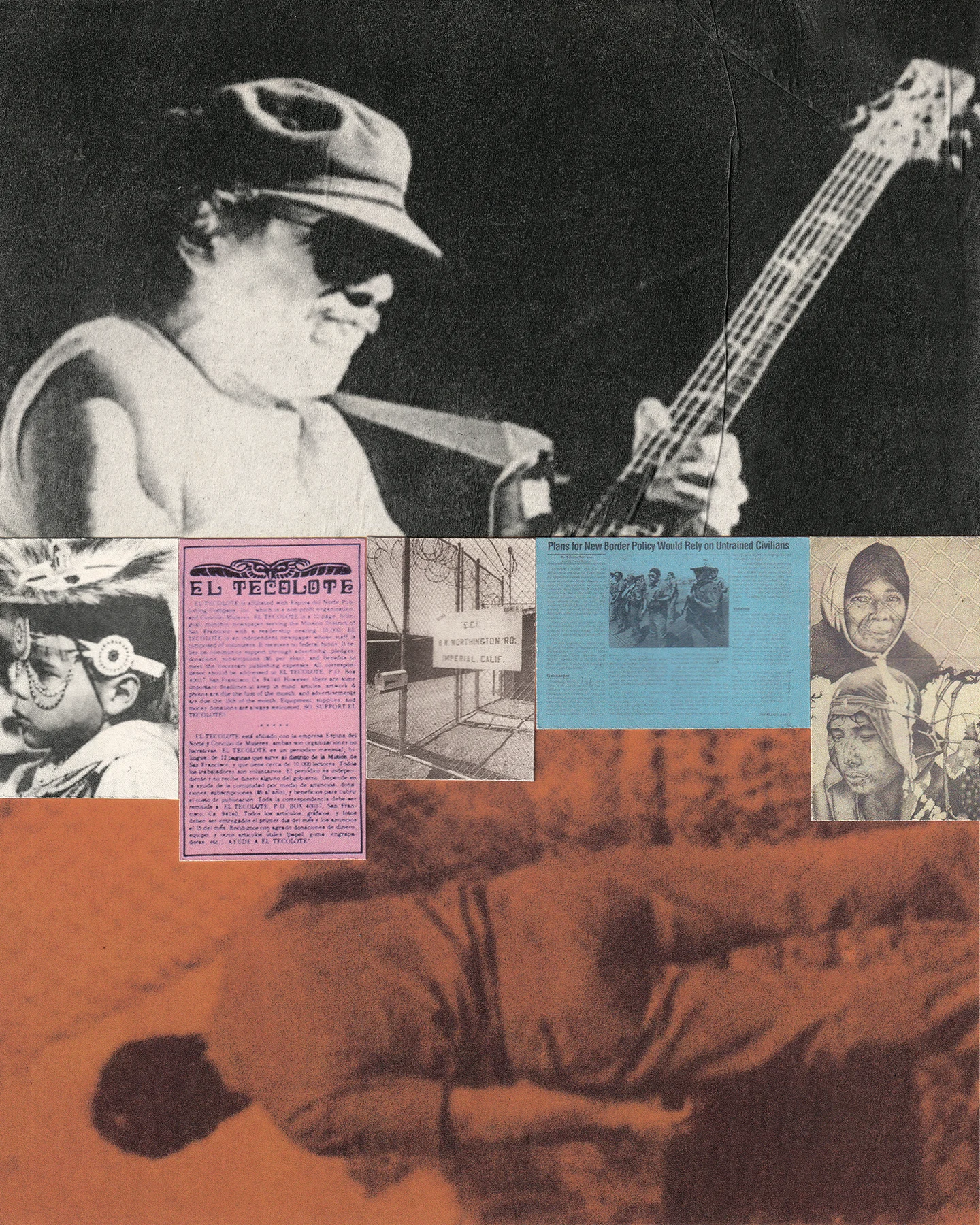
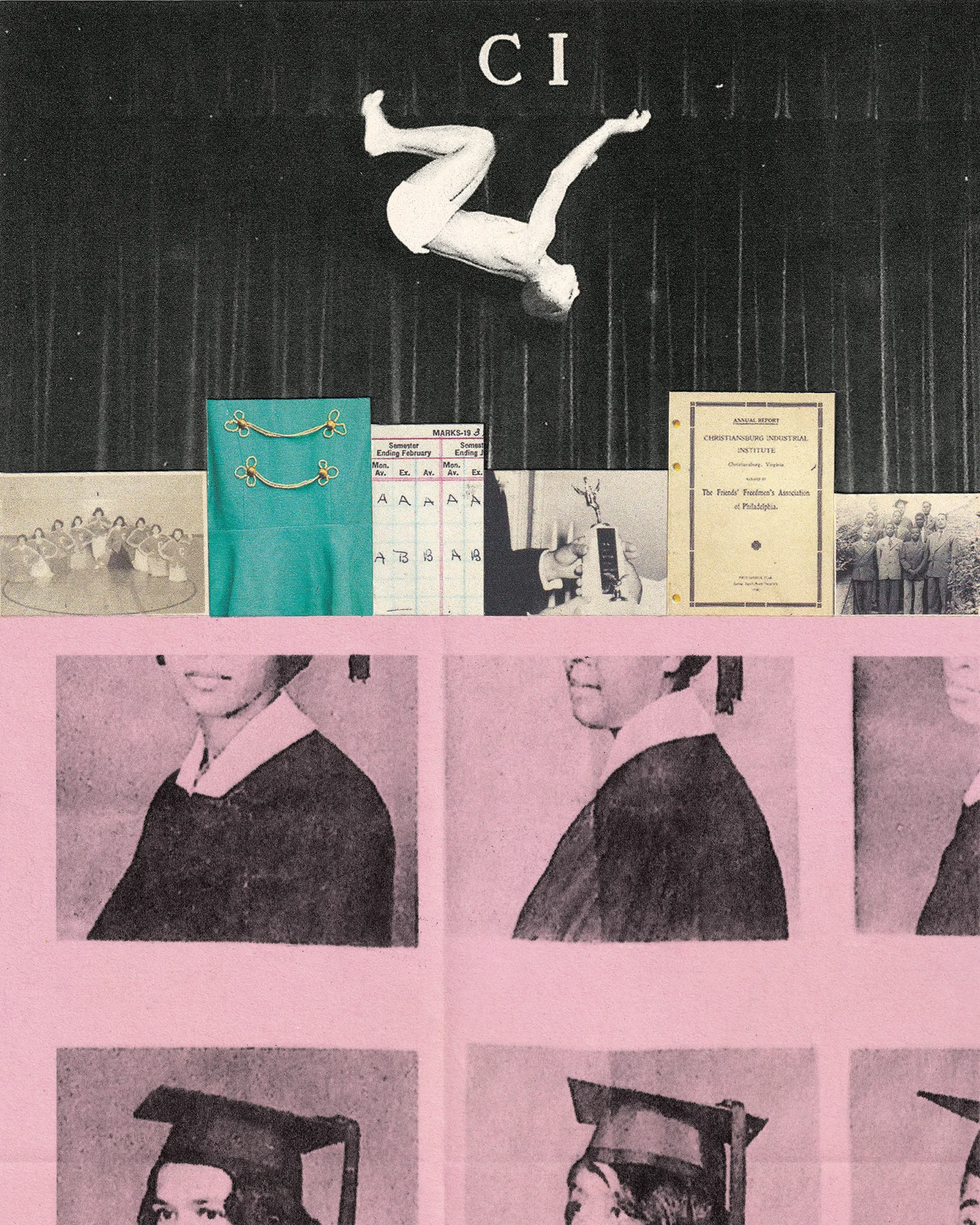
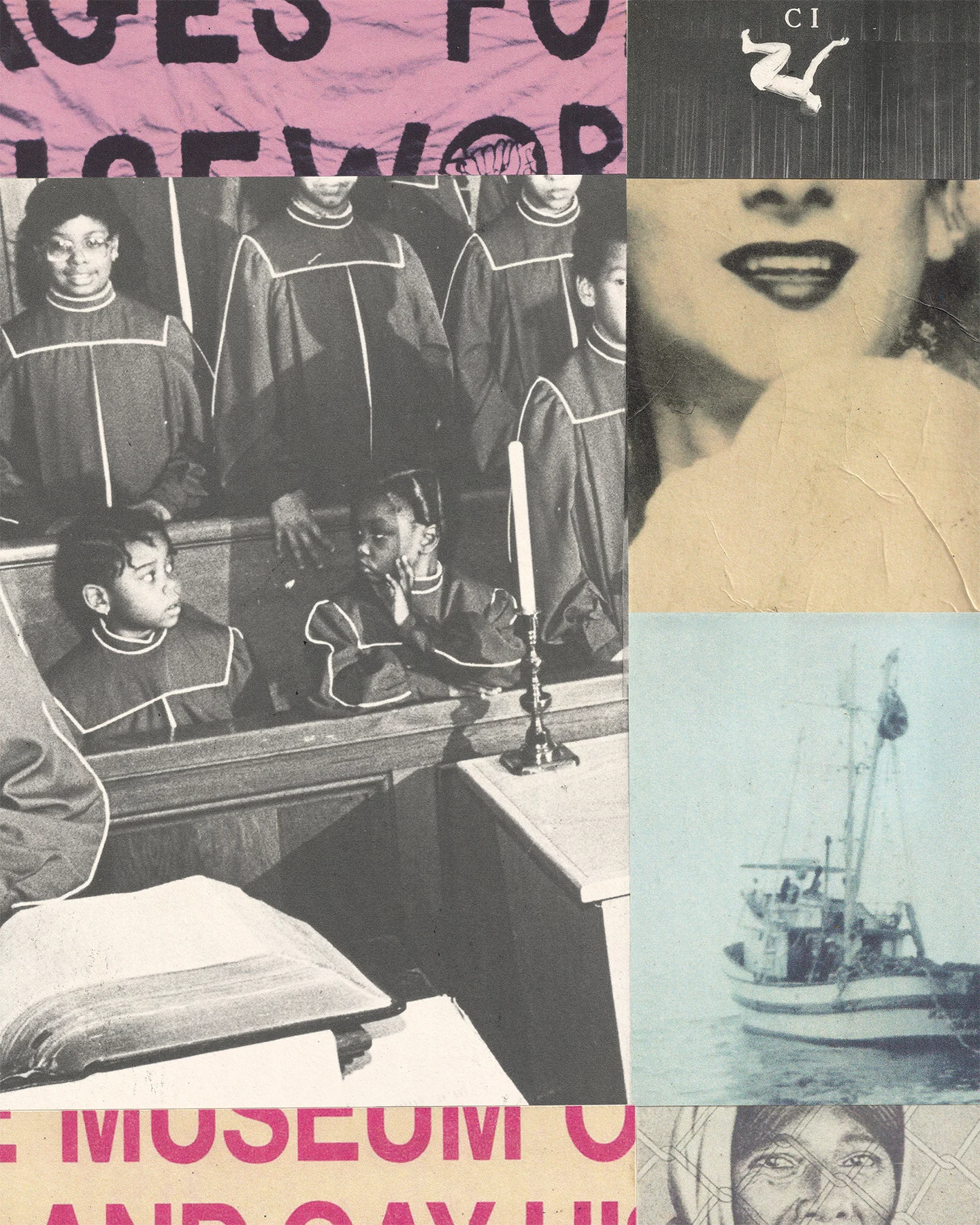
At The June L. Mazer Lesbian Archives, shelves are filled with journals and family scrapbooks, love letters sent across distances, and cassette tapes of lesbian chorus groups. Protest banners, activist buttons, and blueprints of women’s centers whisper stories of California’s fight for equality. Together, these artifacts tell more than a century of lesbian history—stories of love, resistance, and community that might otherwise have been lost.
“It’s really the sense of discovery,” says Kymn Goldstein, executive director of The June L. Mazer Lesbian Archives. “Every day, there’s something new to find. It's remarkable because we have all kinds of women and women’s lives within the archives.”
Founded in Oakland in 1981 as the West Coast Lesbian Collections, the archives moved to Los Angeles four years later under the stewardship of June L. Mazer and her partner Bunny Mac Culloch—lifelong activists for civil rights, gay rights, and women’s movements. In 1989, the collections were renamed The June L. Mazer Lesbian Archives to commemorate Mazer’s commitment to preserving lesbian history.
Today, the space houses the West Coast’s largest collection of lesbian and feminist historical materials, documenting lesbian life from around the globe.
The archives’ holdings are as eclectic as they are important: records of bloodless bullfighting, gay scuba clubs, lesbian publishing presses, and the earliest Los Angeles Pride parades. Oral histories collected over decades capture voices that could not safely—or openly—be recorded at the time.
Most historical information about West Coast lesbian bars, for example, comes from these interviews. “You could never bring a camera into a bar in the fifties,” explains Angela Brinskele, director of marketing & donor engagement at the Mazer and previously a longtime volunteer. “You could never take pictures of you and your friends. People were too afraid. Oral histories are the way we know about some of these bars.”
For contemporary artists and researchers, the Mazer serves as a living resource. Los Angeles-based queer artist Monica Majoli is currently developing a new body of work exploring 1970s “womyn’s land” communities, rural lesbian communes that were documented by lesbian photographers like Honey Lee Cottrell and Tee Corinne.
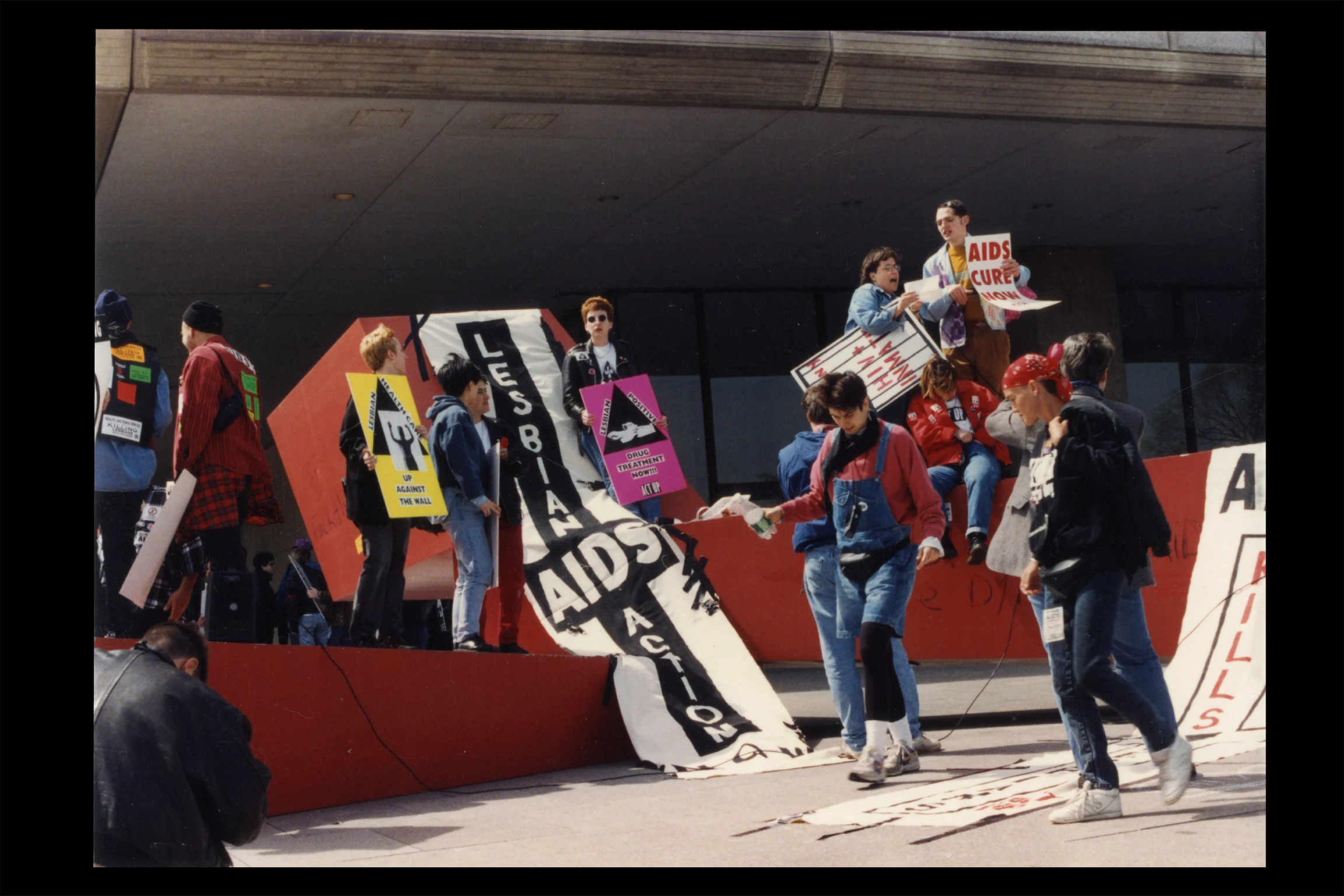
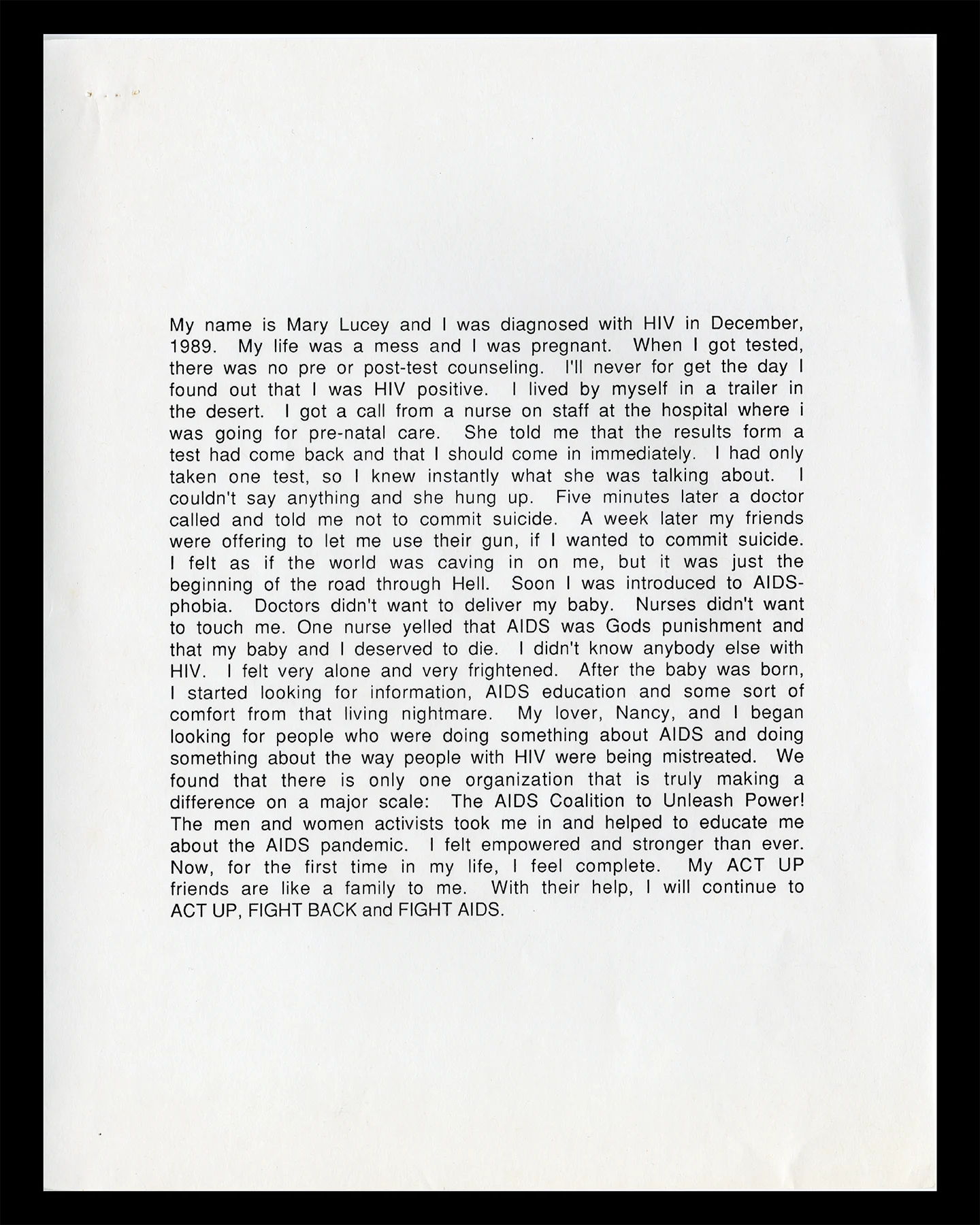
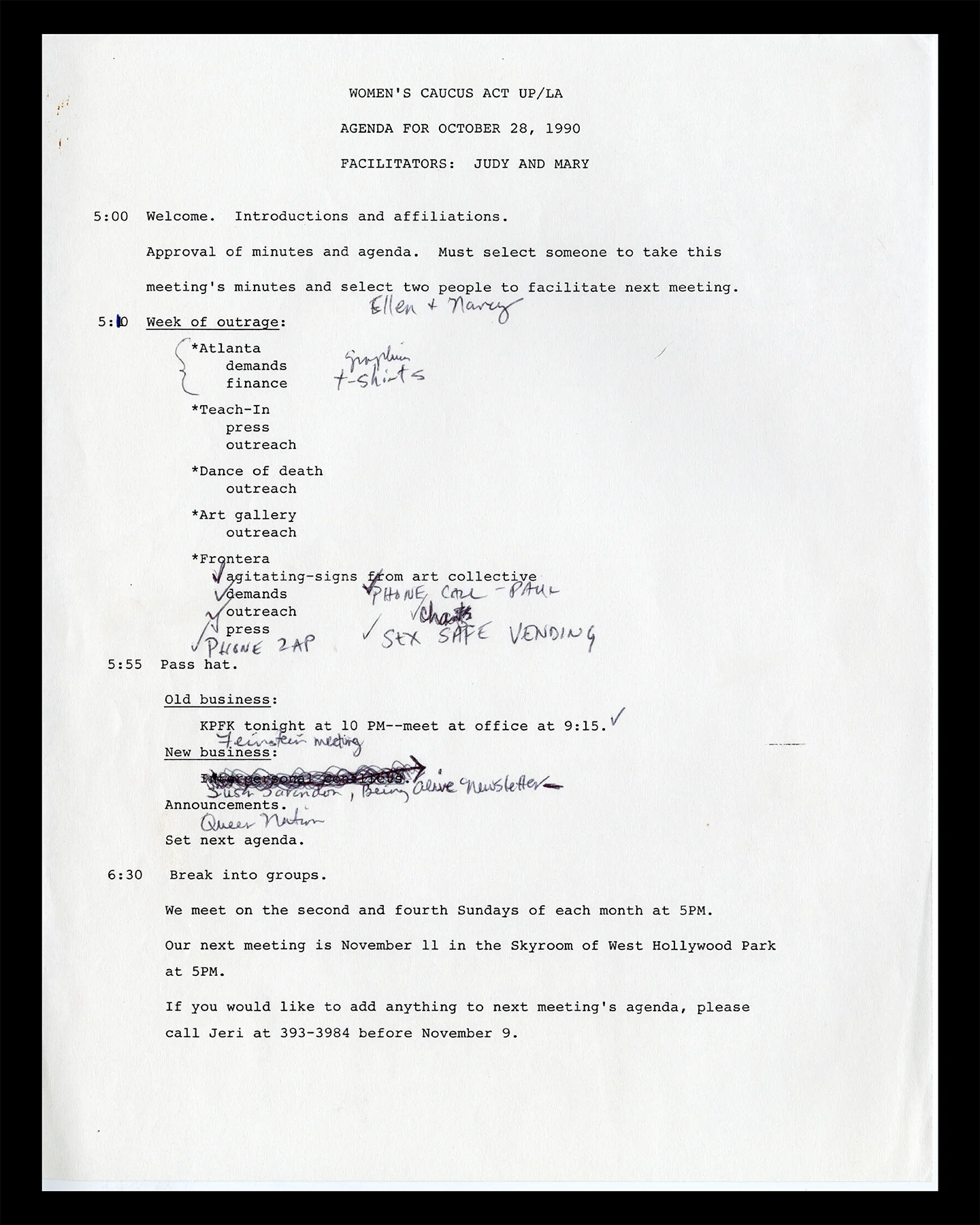
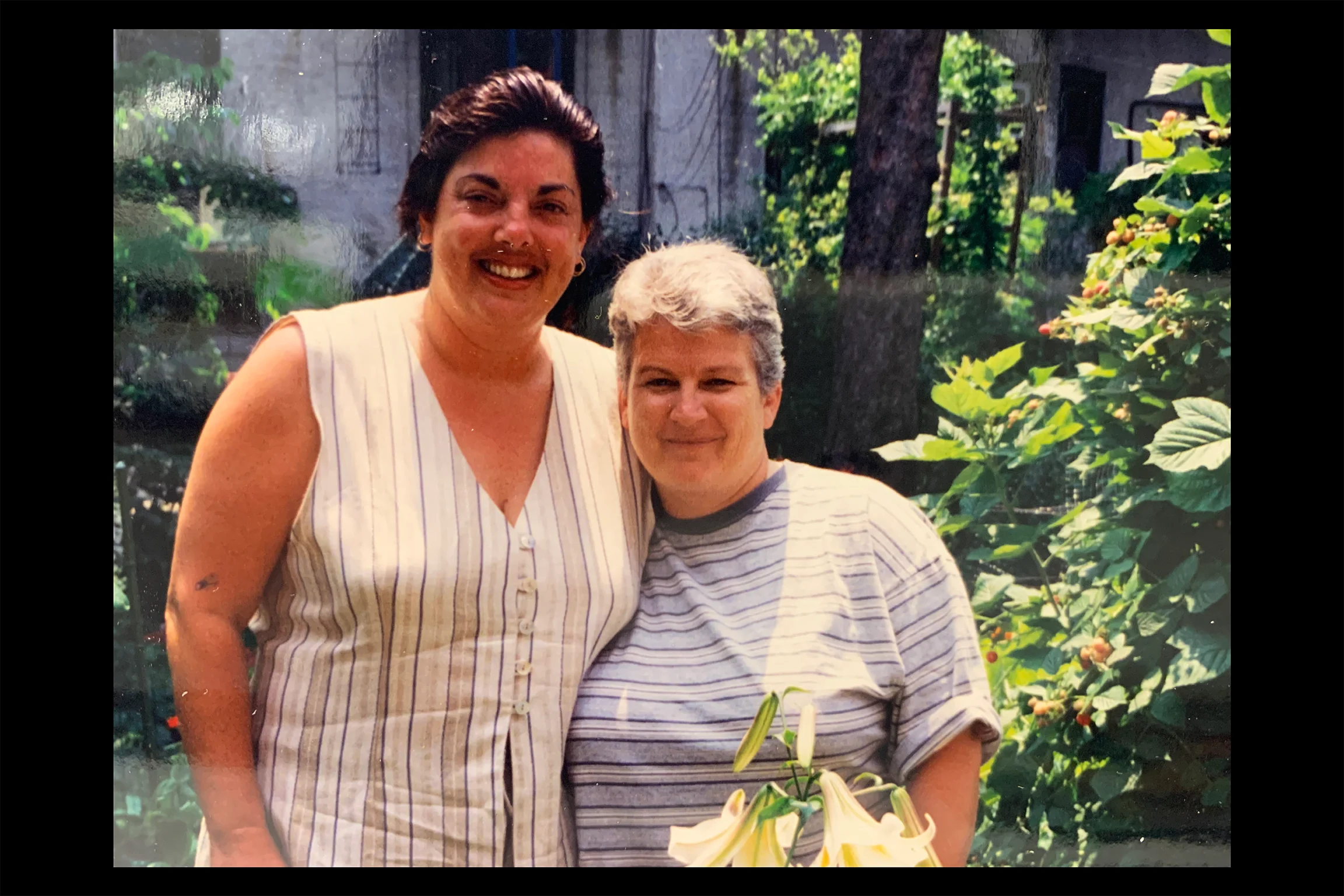
Majoli’s process is deeply intertwined with archival research: she creates intimate, detailed drawings that reflect the lives and spaces preserved in archives like the Mazer. Among these materials include items from Mazer’s collection on the Sisterhood Bookstore, a pivotal space during Majoli’s early years as a lesbian growing up in California. In the upcoming exhibition, archival materials from Sisterhood Bookstore will be displayed alongside Majoli’s pieces.
“For us, it’s an immersive way for the general public—art enthusiasts, academics, and even the LGBTQ+ community who may not be familiar with us—to learn about the power and importance of archives and the history they save,” Goldstein explains.
The Mazer will present the exhibition this fall in collaboration with the Los Angeles Nomadic Division, using Majoli’s series on sisterhood to illuminate the rich, often-overlooked histories captured within its walls.
“We have stories that don't exist elsewhere,” Brinskele says. "Art can help us communicate who these places, people, and things were.”
In a city where many beloved lesbian bars, bookstores, and community centers have closed their doors, the Mazer’s mission takes on a new significance. For locals, it is one of the last dedicated lesbian spaces in Los Angeles.
“Working at the Mazer has been the greatest joy of my life,” says Alisha Graefe, the Mazer’s first-full time archivist, who was hired in 2025 after 45 years of the Mazer's volunteer-run operations. “Because of the archive, my wife and I feel we are part of a thriving community we never plan on leaving.”
Grant insight
The June L. Mazer Lesbian Archives
The June L. Mazer Lesbian Archives was awarded $100,000 in December 2021 and $910,000 in March 2024 through Mellon’s Public Knowledge grantmaking area.
View grant details