Acción Latina
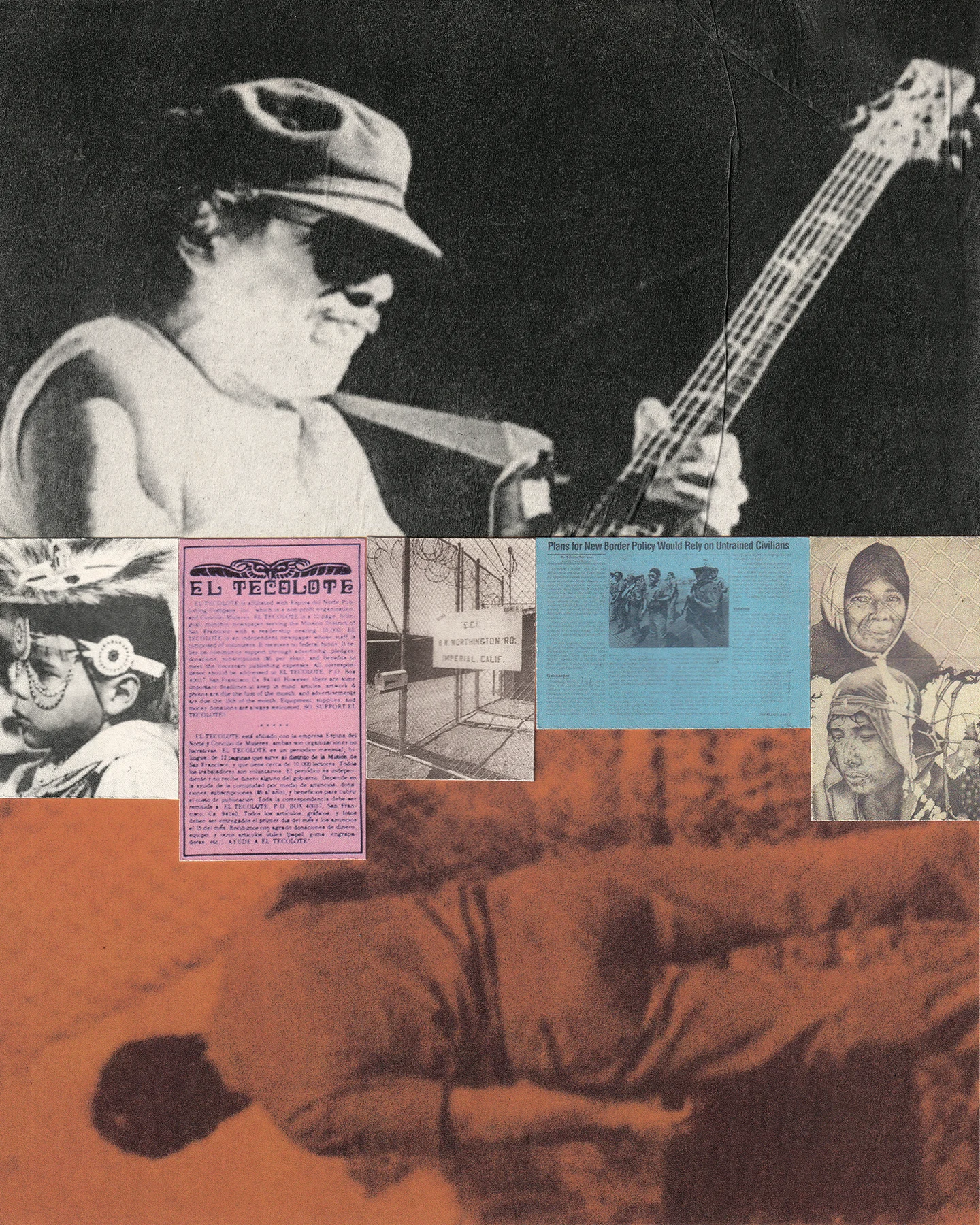
Local News and Street Art: Inside El Tecolote’s Community Archives
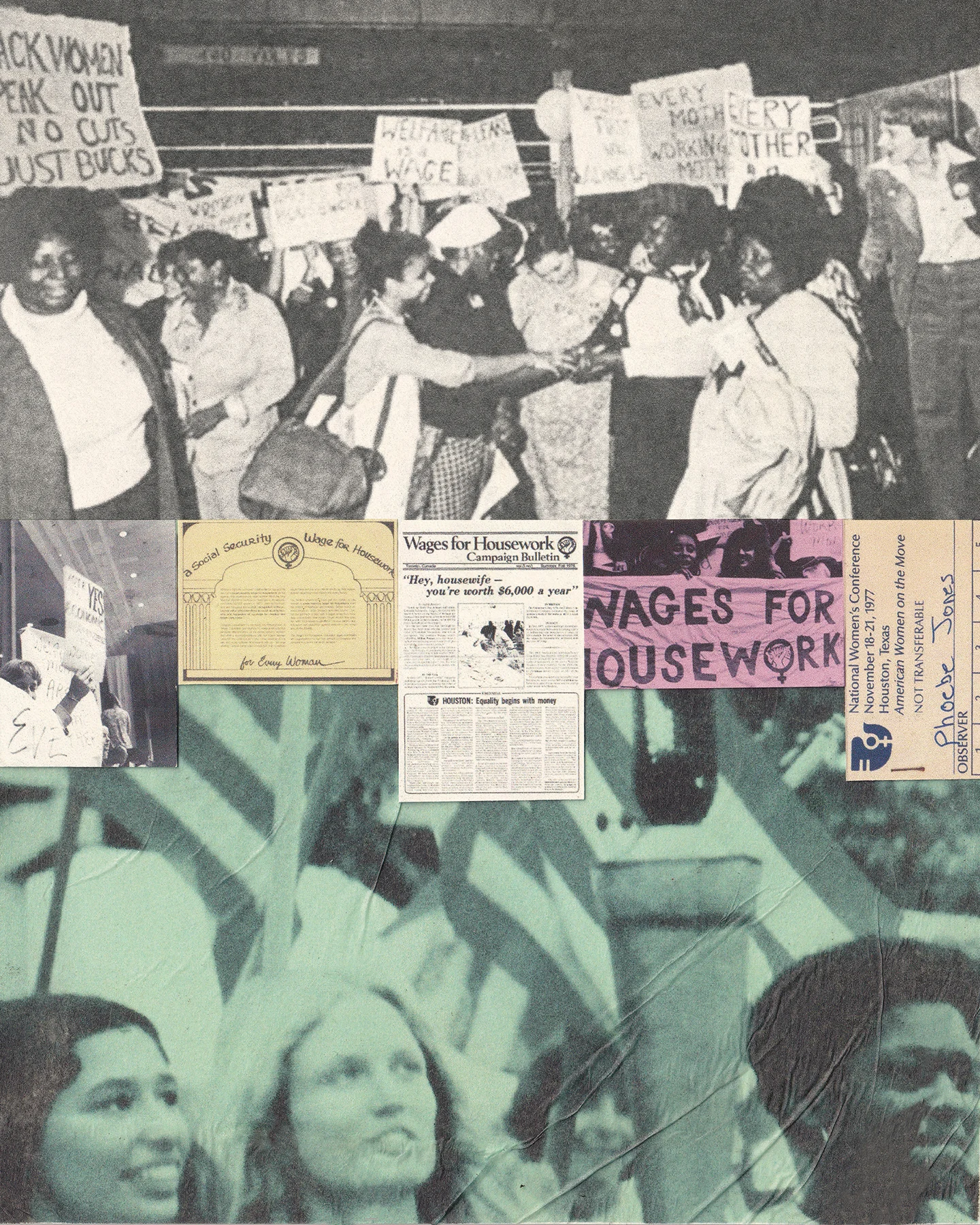
Within a matter of months, an international movement emerged, calling for recognition and compensation for domestic labor and caregiving.
“Philadelphia was one of the centers for the Wages for Housework movement starting in the 70s,” says Phoebe Jones, coordinator of the Crossroads Women’s Center and the Wages for Housework Community Archives.
Initially led by activists and scholars like James, Silvia Federici, Mariarosa Dalla Costa, and Margaret Prescod, the campaign emphasized the central role domestic labor plays in the economy. According to Jones, the movement continues today through the Global Women’s Strike, which advocates for policies like guaranteed care income, child tax credits, and welfare reform.
“The structure of the campaign and the focus on valuing caregiving haven’t changed,” Jones says. “Some of the slogans—like ‘invest in caring, not killing’—carry on, too.”
Many contemporary activists find inspiration in the movement’s history, preserved and continuously updated at the Wages for Housework Community Archives housed at Philadelphia’s Crossroads Women’s Center.
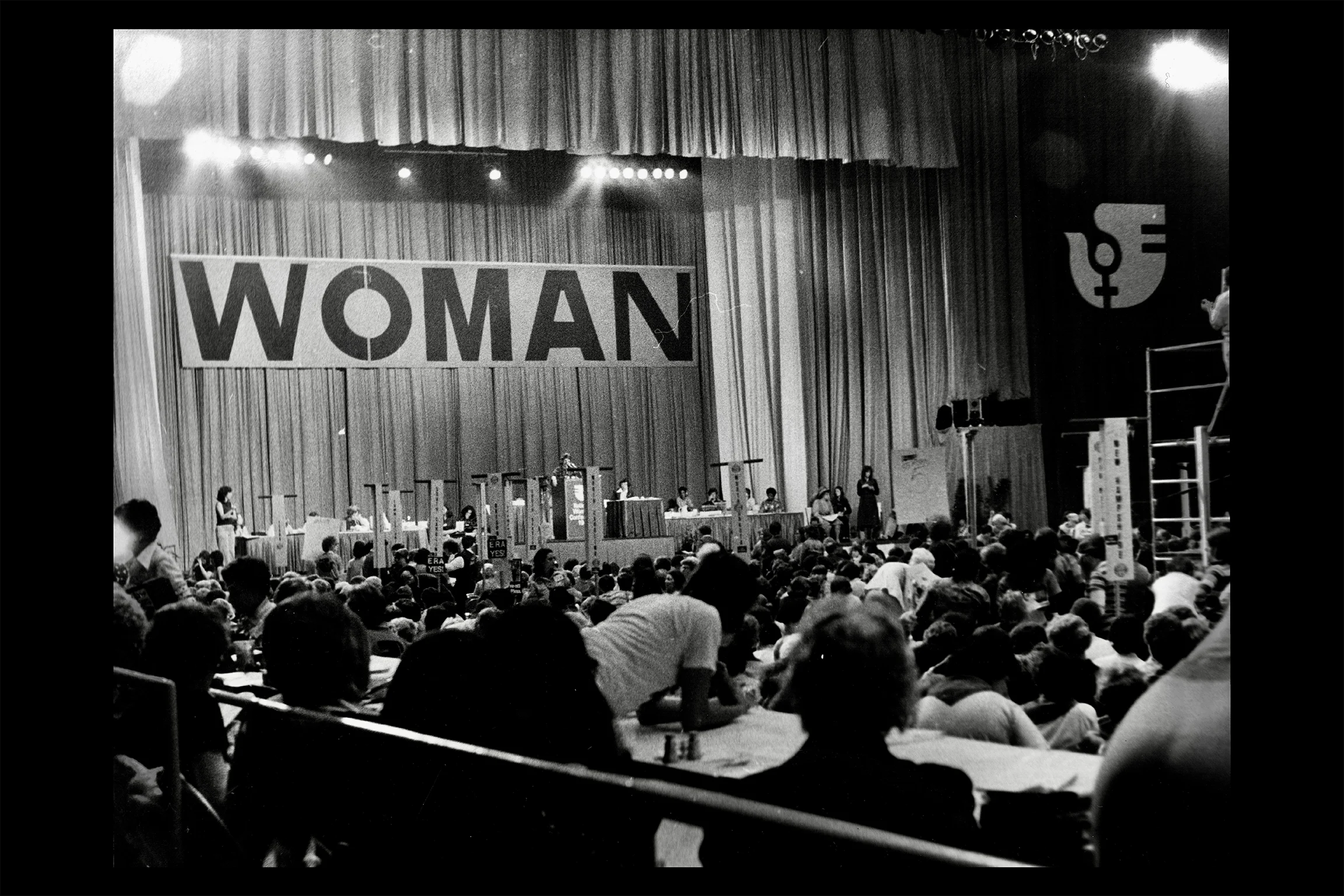
“We have materials documenting local struggles and struggles that have taken place internationally during the United Nations Decade for Women, particularly winning the breakthrough UN decision to measure and value [unwaged] work in the home, on the land, and in the community,” Jones explains. The decision—which occurred during the 1995 Fourth World Conference on Women in Beijing, China—resulted in 189 countries creating satellite accounts to calculate what their GDP would be if unpaid work was valued economically.
“You might think that these statistics came out of academia, but it came out of grassroots organizing,” Jones adds.
The archives hold more than five decades worth of materials from different branches of the movement. From protest banners and event flyers to newspaper clippings and meeting notes, the collections document the struggles and progress of the campaign.
For activists, preserving the movement’s history is inseparable from sustaining the work itself. “Our community history was being overshadowed and rewritten by those in academia who were trying to say that the campaign ended in 1977,” says Jones. “We have a whole 50 years of history to counter that.”
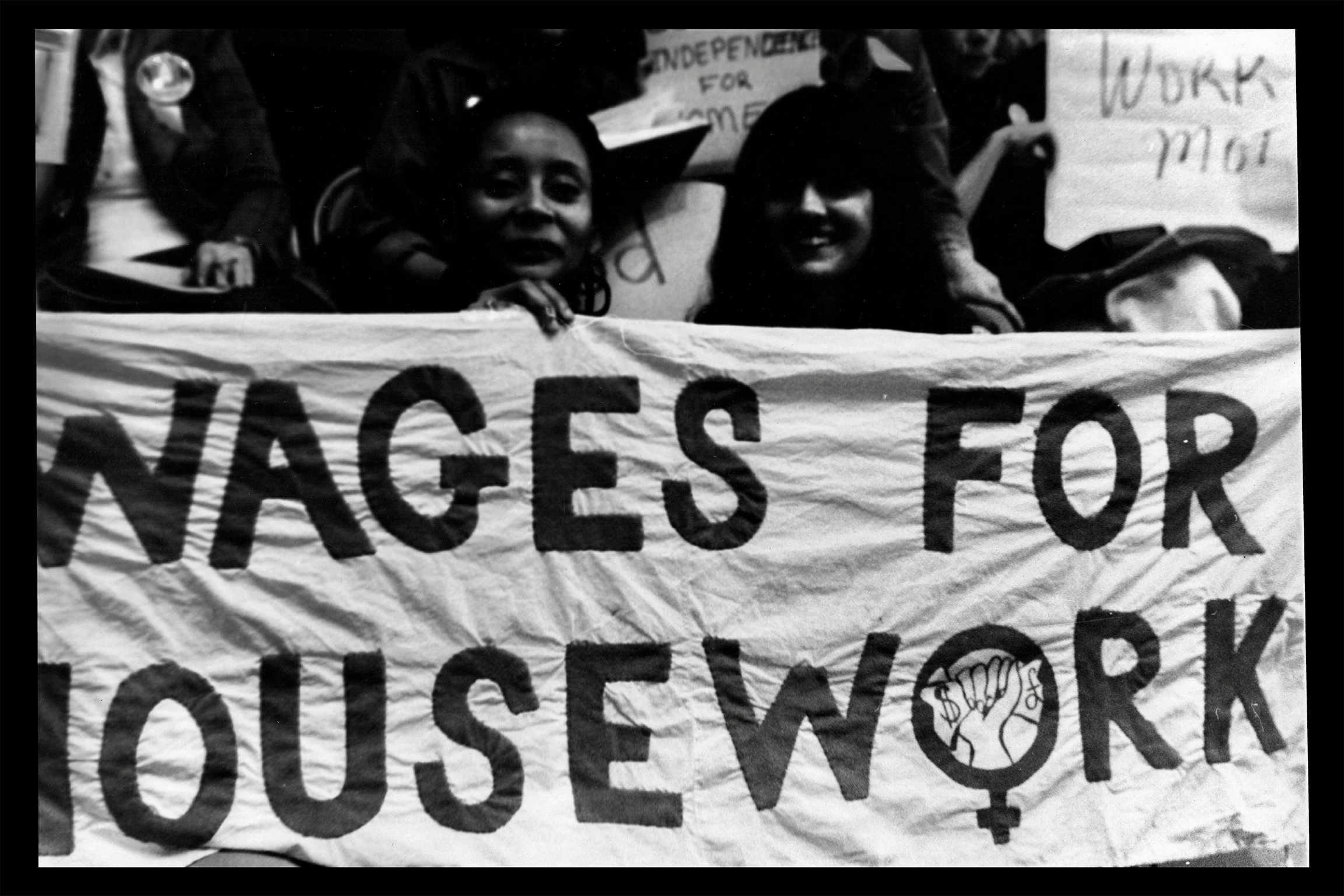
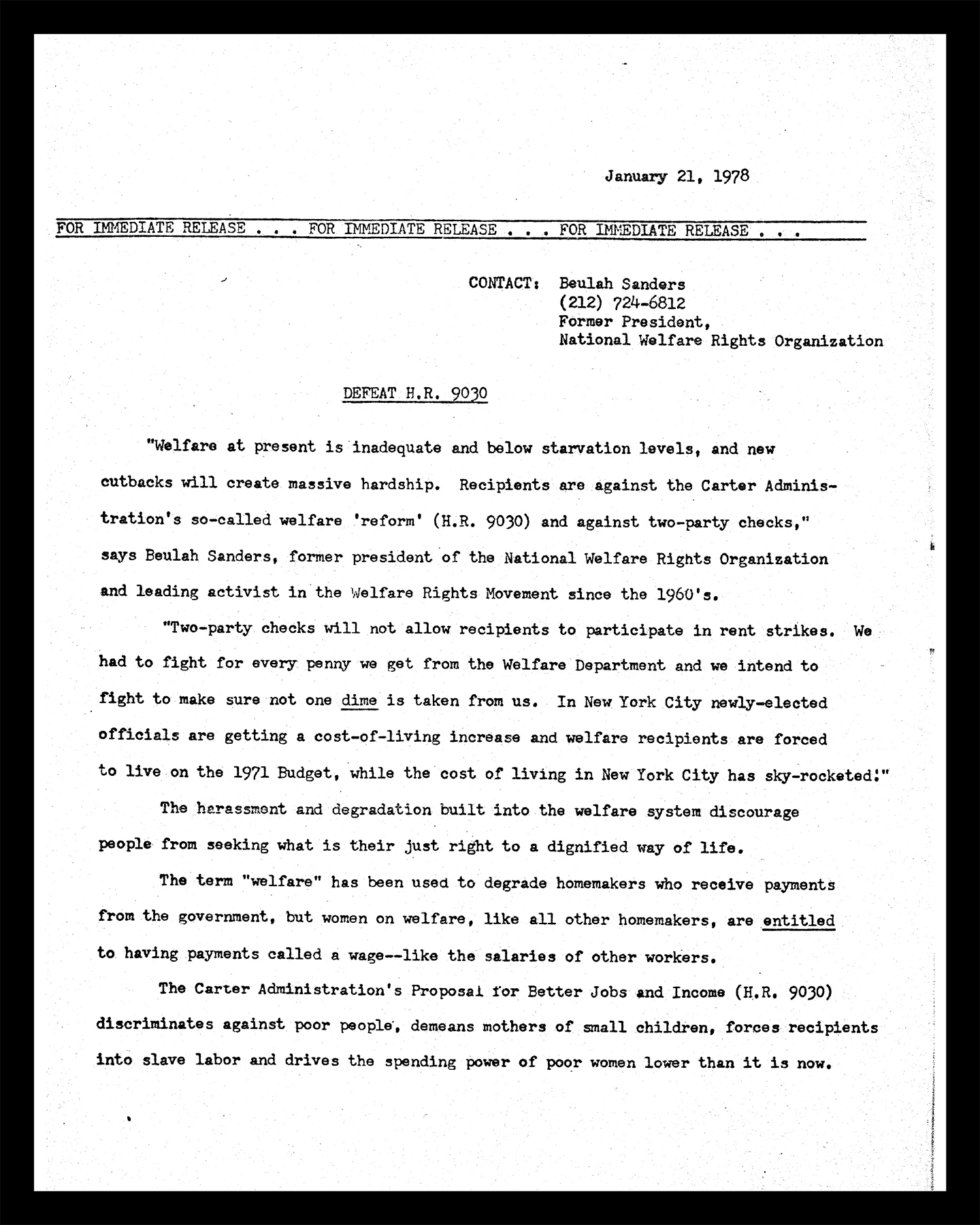
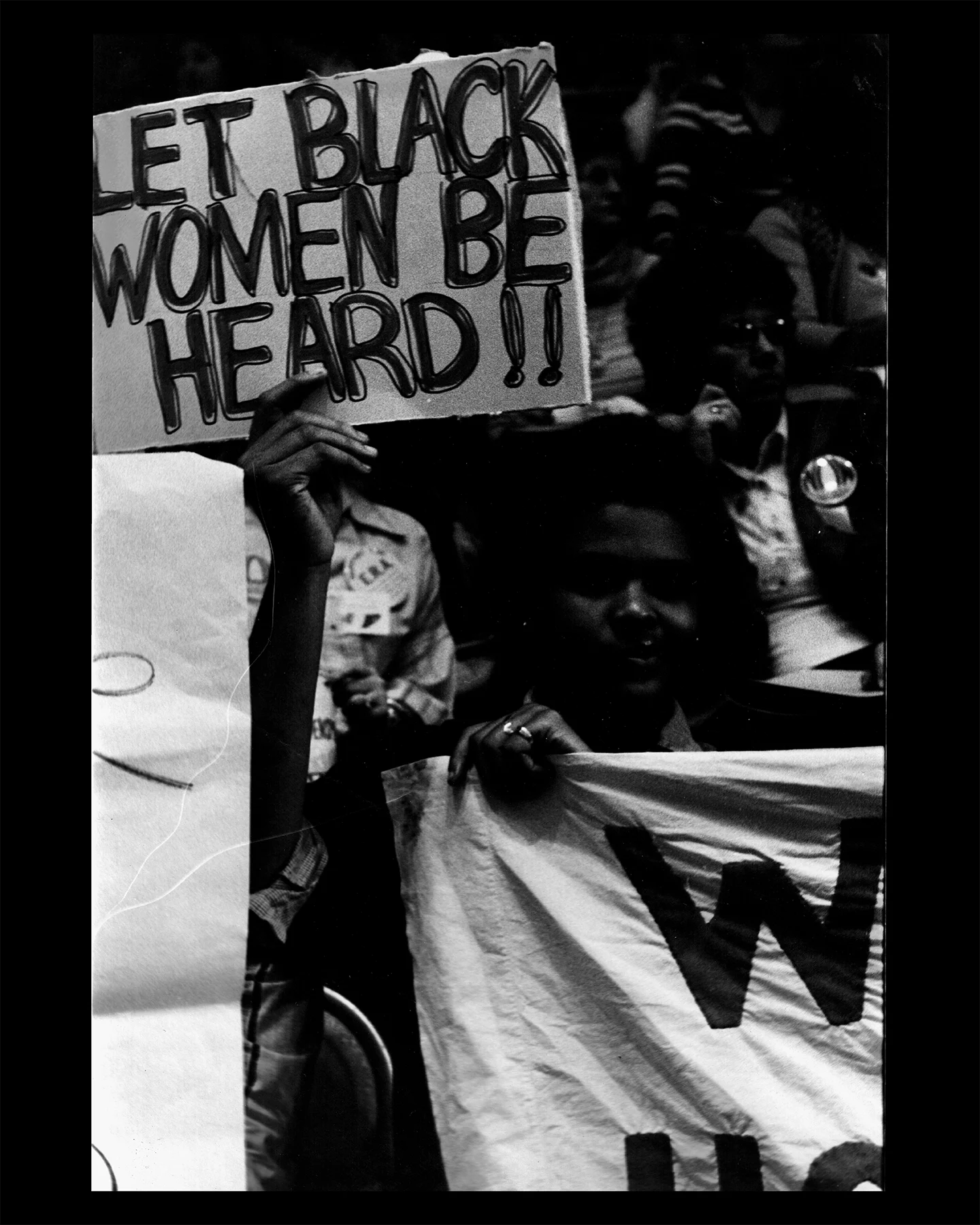
The Wages for Housework Community Archives also highlight the diversity and breadth of the movement. Alexa Tetik, a student intern, points to contributions from different branches. “There’s the Black Women for Wages for Housework group. There’s Wages Due Lesbians, now called Queer Strike,” she says. “Caring involves so many different things—caring for the environment, disability justice—and we’re able to show just how fundamental caring is to society.”
As caregivers and local activists continue to advocate for expanded resources, the archives affirm the legitimacy of their work.
“We’re archiving the work of the carers and the struggles that they have gone through to make things better for everyone,” says Teresa “Tree” Muldrow, a Crossroads volunteer. “When members of the community see this work, it gives importance to what they’re doing with otherwise little or no acknowledgement.”
Kelly Leach, another intern at the archives, highlights the personal connections the archives offer. “Usually, archivists don’t get the chance to speak with the people of a collection. You have to research to find the story,” she says. “But for a lot of collections, [archives coordinator] Phoebe’s been to the conferences or knew the people. We get a more personal view of our collections.”
As Crossroads works to digitize the WFH Community Archives, organizers hope broader access will strengthen public understanding of the movement, positioning the Wages for Housework campaign as a living campaign rather than a closed chapter in history.
Grant insight
Women in Dialogue
Women in Dialogue, the fiscal sponsor for the Wages for Housework Community Archives, was awarded $100,000 in December 2021 and $400,000 in November 2024 through Mellon’s Public Knowledge grantmaking area.
View grant details