Report
Mapping the Landscape of Community-Based Archives
Quick links
Grantmaking areaPublic Knowledge
DateSeptember 30, 2026
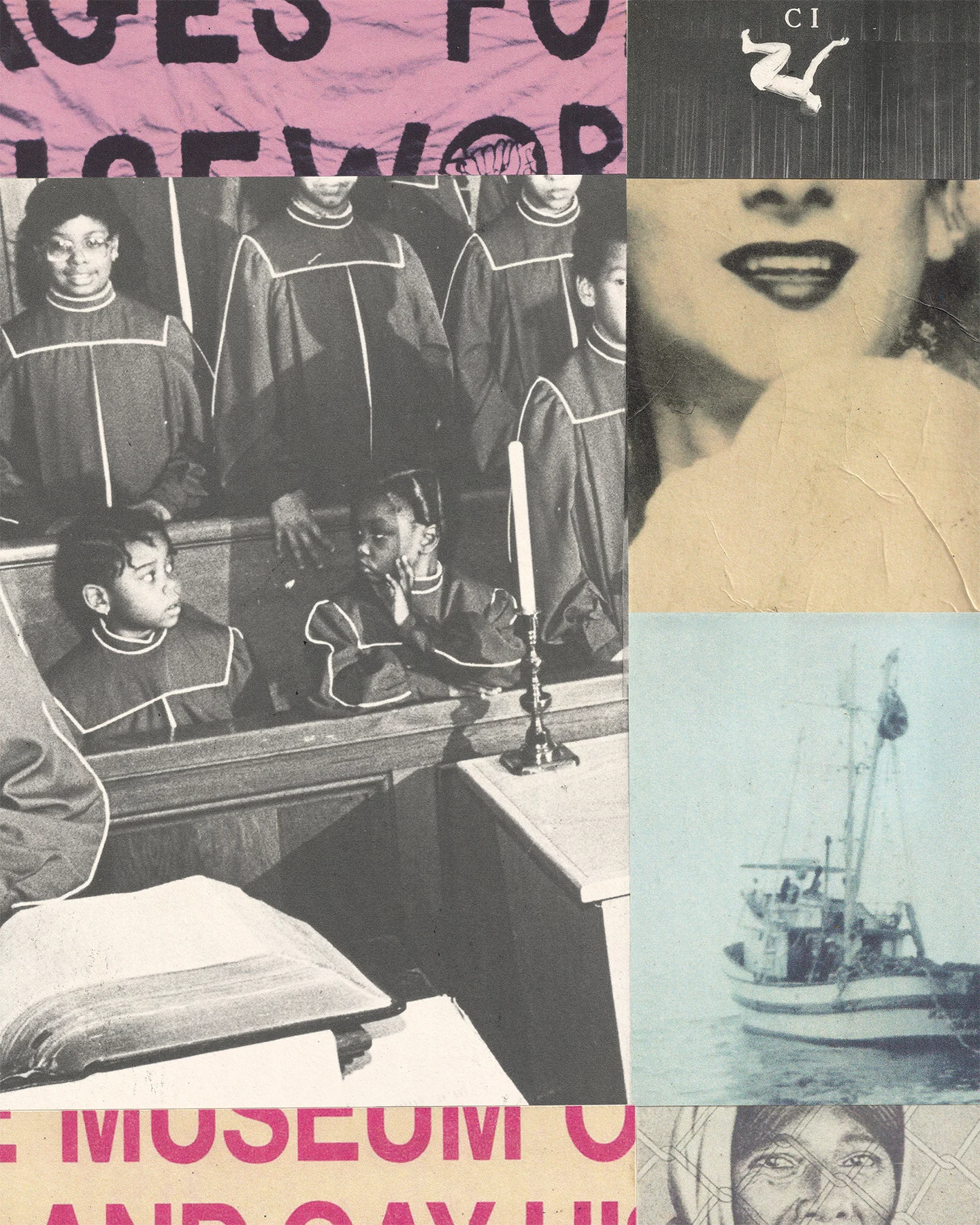
Photo illustration: Vanessa Saba for Mellon Foundation
Community-based archives are critical to preserving and sharing fuller stories of our communities and our country.
As independent organizations, community-based archives contribute knowledge that is often absent from larger institutional archives, such as those housed in universities, museums, or government agencies. They serve an essential role in the broader effort to preserve history, knowledge, and collective memory.
Despite the long-standing presence of community-based archives across the United States and its territories, there has been limited national-level data about the field—its characteristics, challenges, and evolving needs. To address this gap, Mellon partnered with Engage R+D and a “Design Circle” of archival practitioners and field experts to conduct a comprehensive landscape study. Drawing on surveys, interviews, and focus groups, the research captures the perspectives and priorities of community-based archives across the country. The report provides insight into:
- How community-based archives are defined across geography, focus areas, and governance models
- How community-based archives engage and serve their communities
- How funding sources for community-based archives are shifting over time
- What resources are needed to support long-term security and sustainability
- What structural barriers community-based archives face
By defining and mapping the landscape of community-based archives, the study provides funders, institutions, and practitioners with insights about the value of these unique organizations, as well as recommendations on how to ensure they are recognized and resourced for generations to come.
About Powerful But Precarious: Mapping the Landscape of Community-Based Archives
Powerful But Precarious was designed and conducted by Engage R+D with funding and research support from the Andrew W. Mellon Foundation. The methodology included a survey to independent, community-led, U.S.-based community-based archives in 2025 and focus groups with a subset of respondents to the survey. Through the project, Engage R+D engaged in structured dialogue with Mellon Foundation staff and the Design Circle to shape and validate the study.
Related
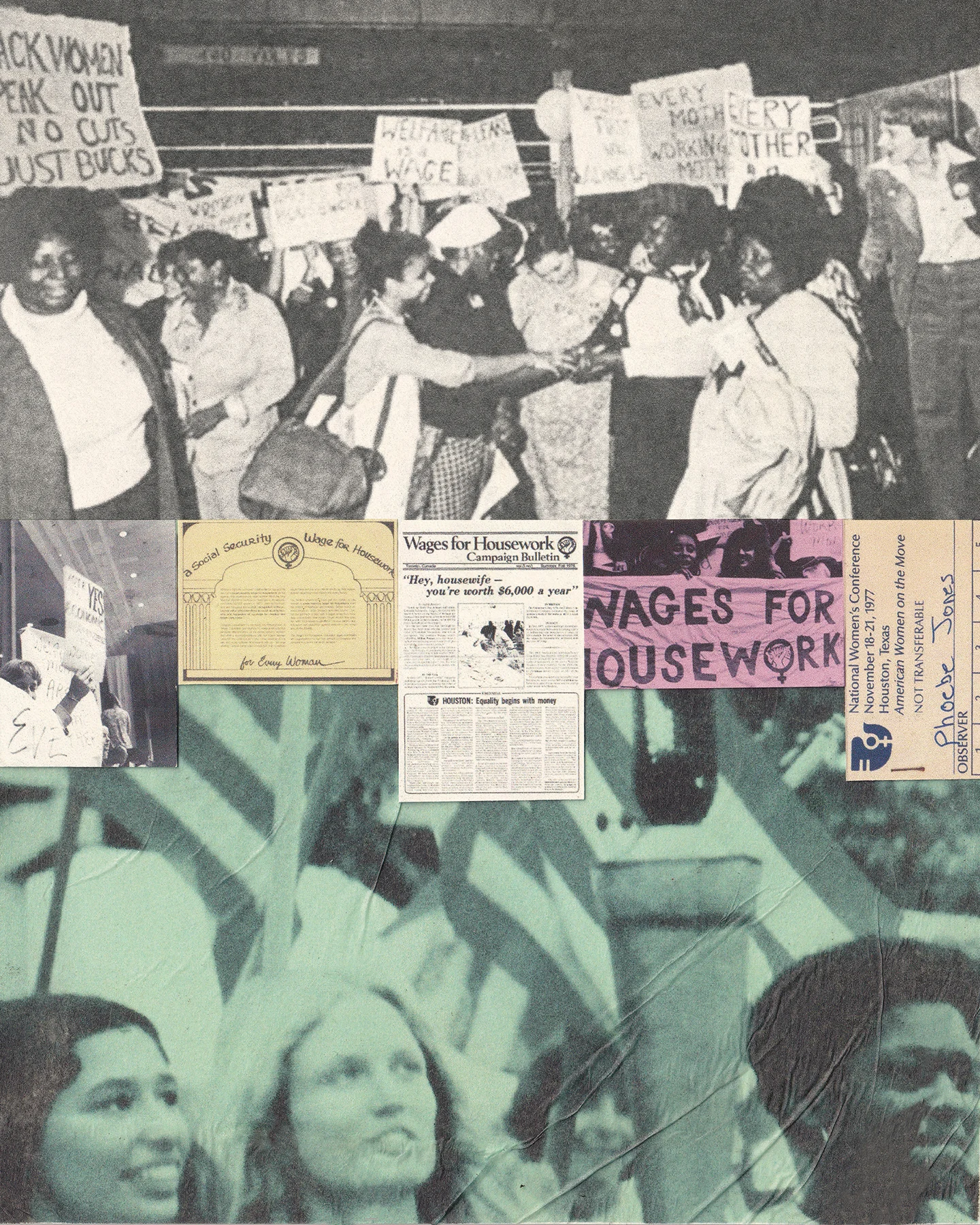
Women in Dialogue
Protest Banners and Strike Demands: Inside the Wages for Housework Community Archives
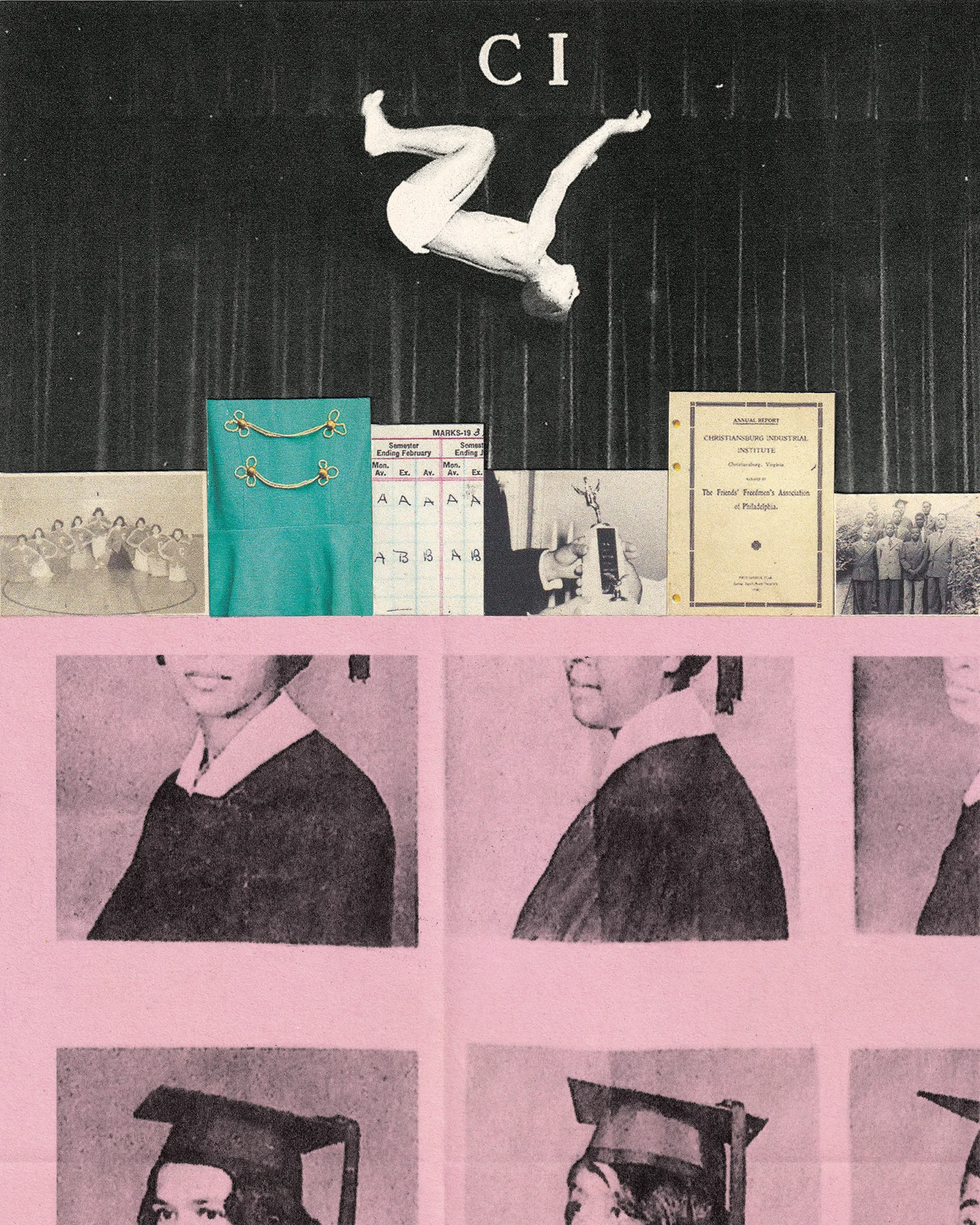
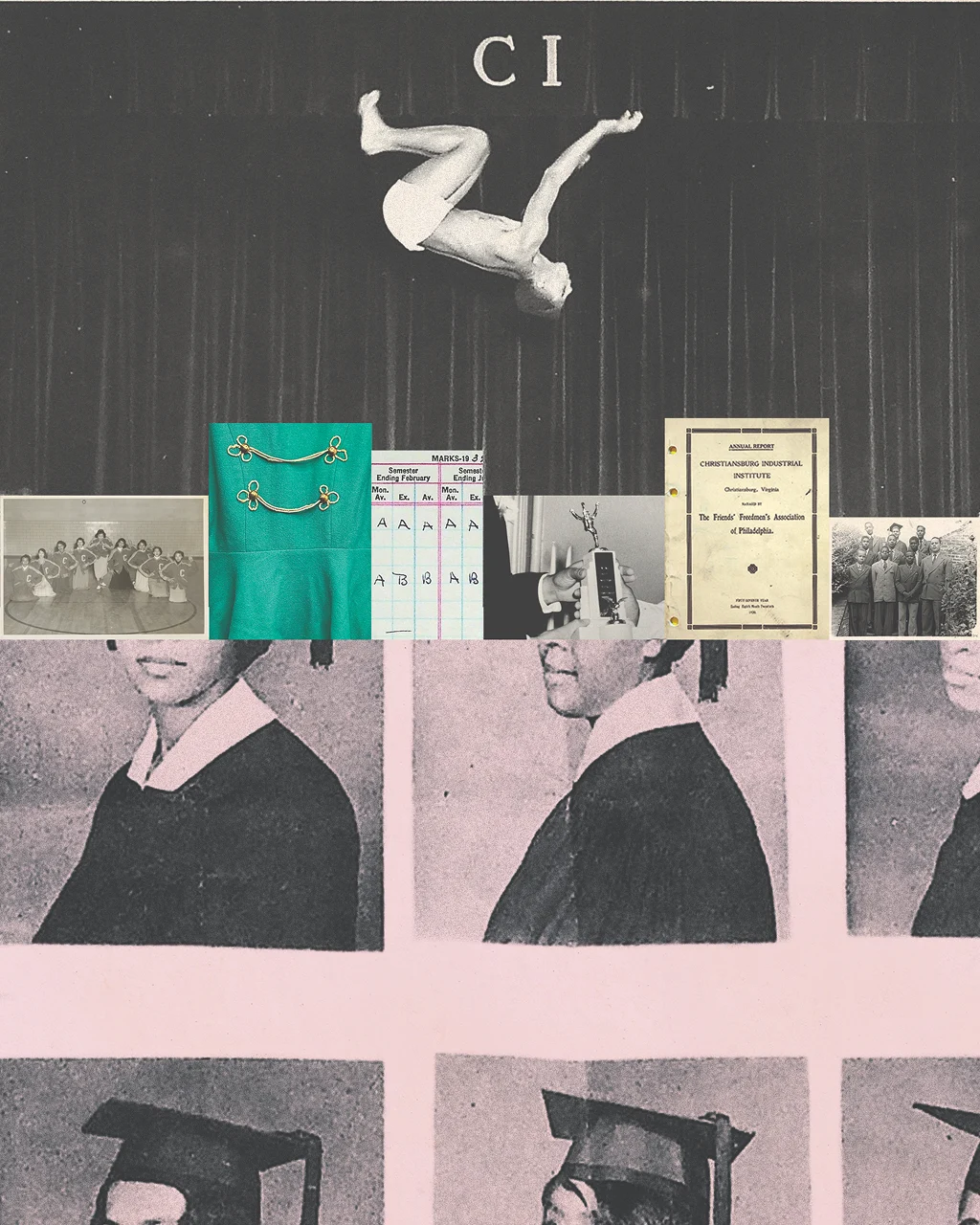
Christiansburg Institute, Inc.
Yearbooks and Uniforms: Inside the Christiansburg Institute, Inc.’s Community Archives
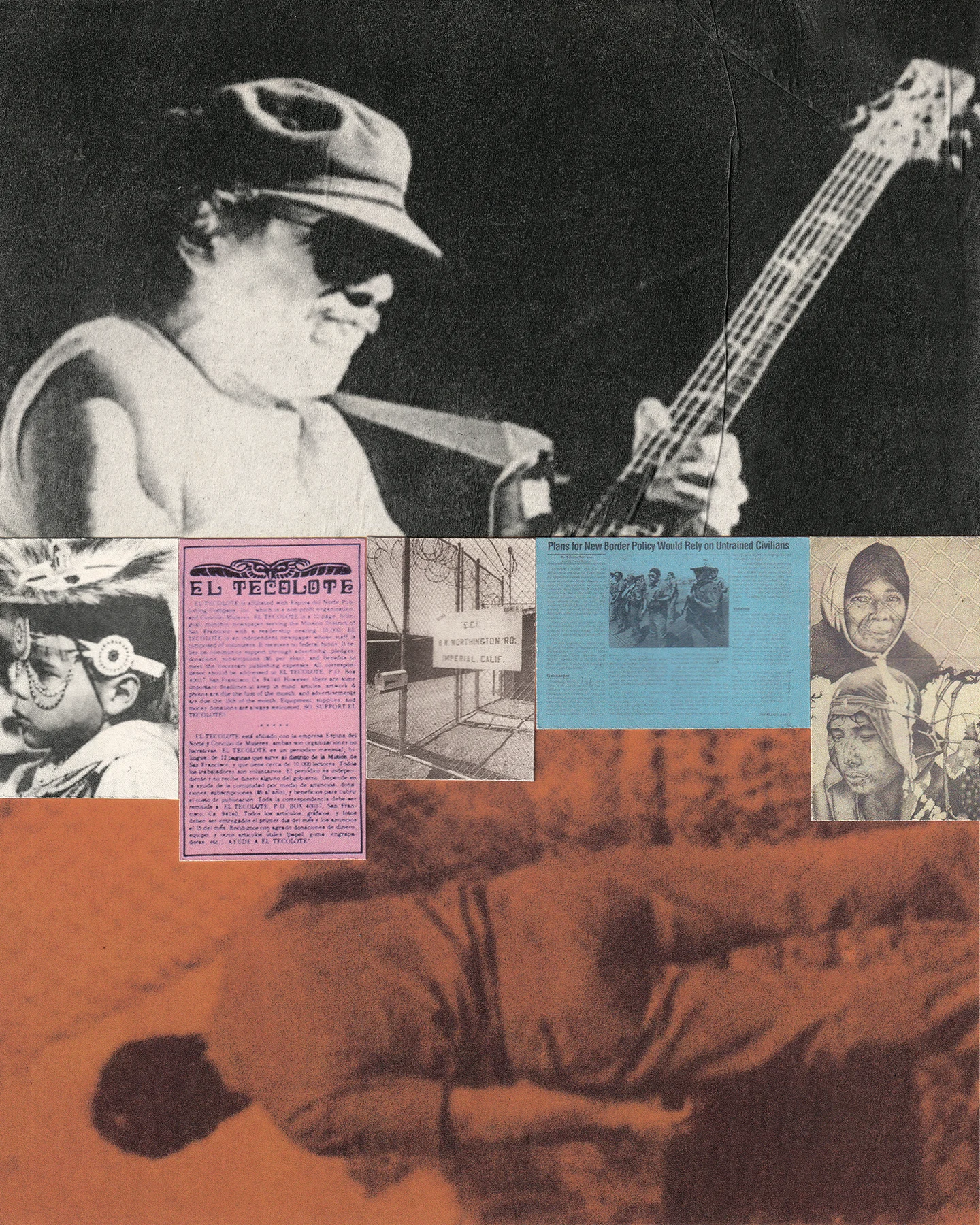
Acción Latina
Local News and Street Art: Inside El Tecolote’s Community Archives
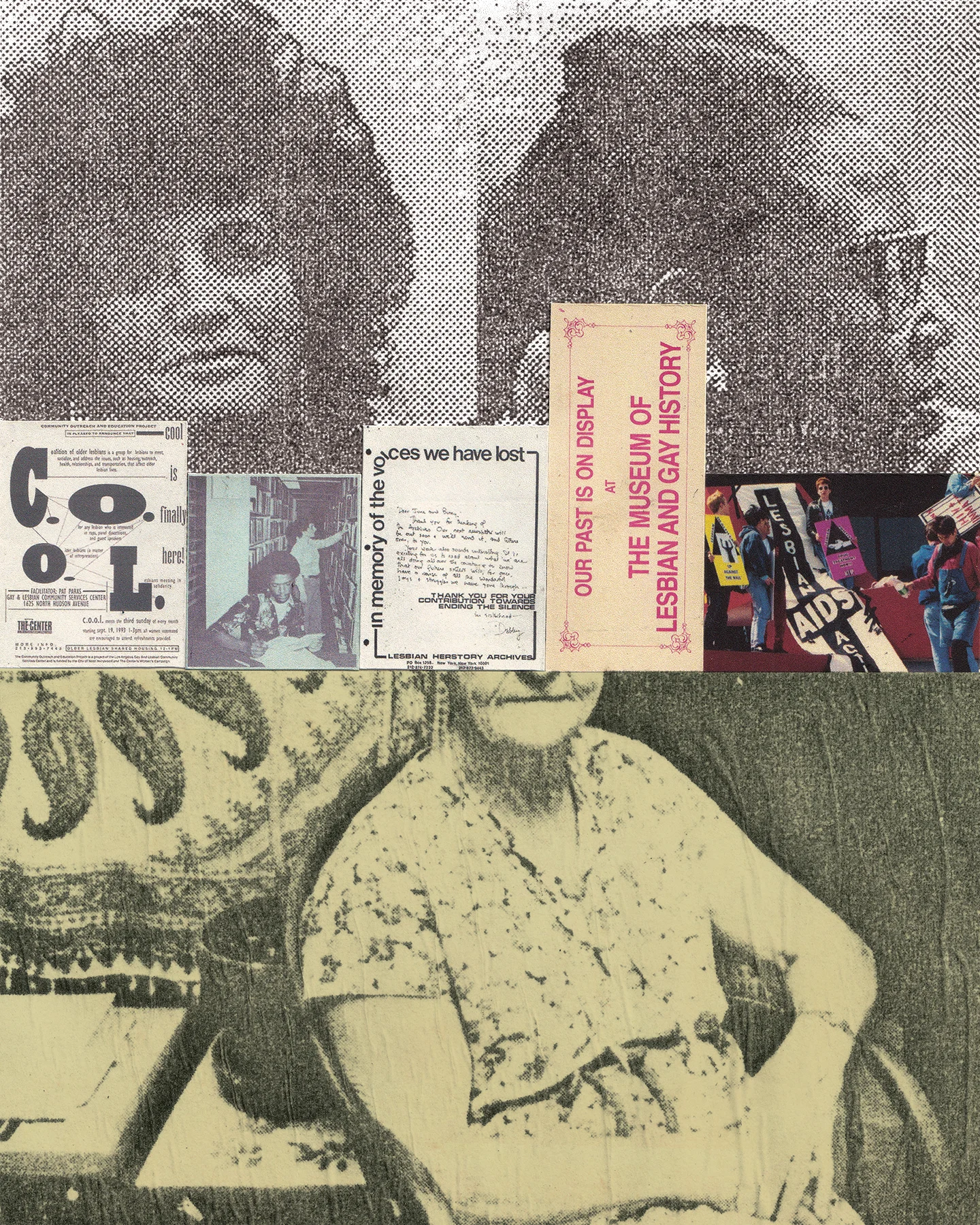
The June L. Mazer Lesbian Archives
Love Letters and Chorus Cassette Tapes: Inside The June L. Mazer Lesbian Archives